
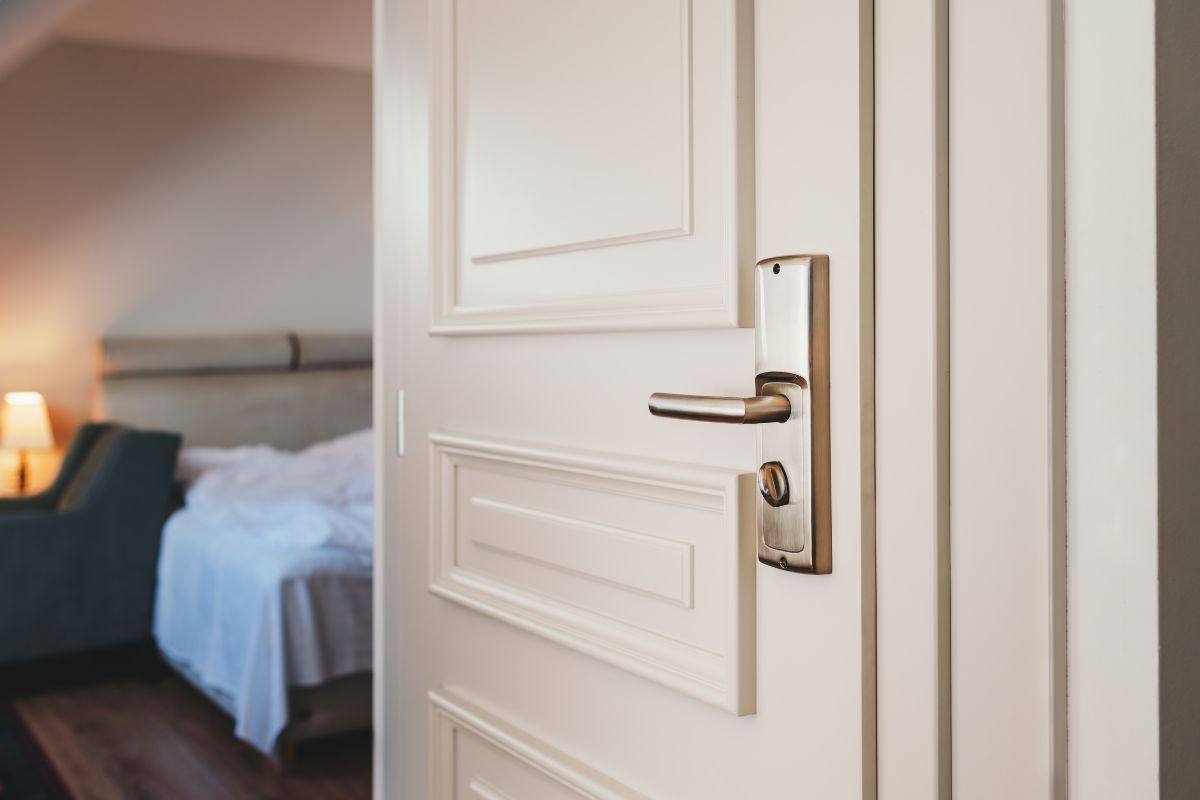
Noise inside a home is rarely caused by one thing. It is usually a combination of sound traveling through air gaps, hollow building cavities, lightweight materials, and hard surfaces that bounce sound instead of absorbing it. If you are trying to create a quieter bedroom, a calmer home office, or more privacy between common areas and living spaces, upgrading your interior doors is one of the most practical improvements you can make.
Interior doors sit at the boundary between rooms, so they act like a gate. If that gate is thin, hollow, and poorly sealed, noise moves through it easily. If that gate is heavier, properly fitted, and sealed around the edges, it blocks far more sound, especially the kind that is most annoying in real life: voices, TV noise, barking, and the everyday clatter of a busy home.
This guide explains how noise actually travels, why most interior doors fail to stop it, and what you can do to reduce sound with smarter door choices and professional installation. The goal is not to create a recording studio. The goal is to noticeably reduce noise in the rooms that matter most, using solutions that look good and work every day.
Why Interior Doors Matter For Noise More Than Most People Think
Most homeowners focus on walls when they think about soundproofing. Walls do matter, but doors are often the weak link because they are typically thinner, lighter, and full of gaps. Even a well-insulated wall can be undermined by a hollow core door with a large undercut at the bottom and visible light around the jamb.
Noise reduction is about controlling pathways. Sound takes the easiest route. If you have an open gap under a door, sound will flow through it like air. If your door has a loose latch that leaves inconsistent contact at the stop, sound will leak through the side gaps. If the slab itself is light and vibrates easily, it will transmit more noise even when it is closed.
When you improve an interior door system, you are improving three things at once: the mass of the door, the fit of the door, and the sealing of the perimeter. Those three changes usually create an immediate difference you can hear and feel.
How Sound Moves Through A Door Opening
To choose the right interior door upgrade, it helps to understand the basic mechanics of sound. There are two main types of sound transmission you are trying to manage.
Airborne Sound
Airborne sound is what most people think of first. Voices, music, TVs, phone calls, and everyday conversation travel through the air. Airborne sound slips through gaps around the door and also passes through the door slab if the slab is too light.
Structure-Borne Sound
Structure-borne sound is vibration that travels through the building structure, like footsteps, slamming doors, or a washing machine running. Upgrading an interior door will not solve all structure-borne sound, but a heavier door and a tighter latch can reduce rattling and resonance, which can make a space feel calmer.
The key takeaway is simple. If you want meaningful noise reduction, you must reduce gaps and increase mass. A door upgrade that does only one of those will help, but a door upgrade that does both will help much more.
Start With A Quick Noise Audit Before You Replace Anything
Before you choose a new interior door, take five minutes to test where your sound is actually leaking. This prevents wasted effort and helps you prioritize the improvements that will make the biggest difference.
Look For Light Leaks
Close the door and turn off the lights inside the room. If you see light around the edges, you have air gaps. Air gaps are sound gaps. This is often the fastest way to identify why a room feels loud even with the door closed.
Check The Bottom Gap
The space under the door matters more than many people realize. A large undercut is common, especially in older homes. If you can easily see under the door or feel air movement, you will also hear more noise transfer.
Listen For Rattles And Loose Hardware
If your door rattles when someone walks down the hallway or closes another door, the latch and strike alignment may be loose. Even a solid core door will underperform if the hardware does not hold the slab firmly against the stop.
Identify The Noise Type And Source
Is the goal to reduce voices from a living room into a bedroom? Is the goal to block TV noise into an office? Is the goal to keep bathroom sounds more private? Different rooms call for different levels of improvement, and you do not always need the most extreme solution everywhere.
Solid Core Doors Are The Biggest Single Upgrade For Sound
If you want a clear, noticeable improvement, the best place to start is the door slab. Hollow core interior doors are common because they are affordable and lightweight. The downside is that they transmit sound easily and do very little to reduce voices or media noise.
Solid core doors are heavier and denser. That extra mass makes the door less likely to vibrate, and it makes it harder for airborne sound to pass through. In most homes, switching from hollow core to solid core reduces perceived noise significantly, especially for voices and mid-range frequencies.
Solid Core Versus Solid Wood
You do not always need a full solid wood slab to get the noise benefits you want. Many solid core doors are engineered and provide excellent sound reduction while remaining stable. Solid wood doors can perform well too, but they can be more sensitive to humidity, and they can be more expensive depending on the wood species and design.
Door Thickness And Weight
In general, thicker and heavier is better for sound. A heavier slab also tends to close with a more solid feel, which is often a welcome upgrade for homeowners who are tired of doors that feel flimsy and noisy.
Door Style Choices That Affect Noise
Door style is not only about design. It also affects sound performance. Some styles naturally seal better than others.
Single Swing Hinged Doors
A standard hinged interior door usually gives you the best chance to seal the perimeter well. The slab can compress against the stop, and the latch can hold it tight. If noise reduction is the priority, this is often the easiest style to optimize.
Double Doors And French Doors
Double doors can look great, but sound control depends heavily on alignment at the meeting point between slabs. If you want double doors for an office or a media room, plan for proper meeting stile alignment and consider hardware that keeps both slabs tight when closed.
Barn Doors And Sliding Doors
Barn doors are popular, but they are not ideal for sound reduction because they typically do not seal tightly to the frame. There is usually a gap at the top, bottom, and sides. If you love the look, you can improve performance with smart track placement and perimeter solutions, but a barn door rarely matches the sound control of a sealed hinged door.
Pocket Doors
Pocket doors can save space, but noise performance depends on the pocket framing and the quality of the jamb kit. Like barn doors, they often have more air gaps than hinged doors. If you are choosing pocket doors for a bathroom or office, focus on fit, guides, and quality jamb components to minimize gaps.
Sealing The Perimeter Is Where Most Noise Leaks Happen
The most overlooked part of noise reduction is the space around the door. Sound behaves like air. If air can flow through, sound can flow through. That is why perimeter sealing matters so much.
Jamb Contact And Consistent Gaps
A well-installed door has consistent reveals on the hinge side, latch side, and top. If gaps vary, you will often get sound leaks in the wider areas. Proper hinge setting, accurate shimming, and correct strike placement all influence whether the slab sits tight and even.
Weatherstripping For Interior Doors
Many homeowners think weatherstripping is only for exterior doors. In reality, certain acoustic or compressible seals can be used on interior doors too, especially for home offices, nurseries, bedrooms, and media rooms. The goal is a soft compression seal that reduces air gaps without making the door difficult to close.
Door Sweeps And Automatic Door Bottoms
The bottom gap is often the biggest sound leak. A door sweep can help, but the best results typically come from an automatic door bottom that drops a seal when the door closes. This provides a tight seal without dragging on the floor as the door opens.
If you have thick carpet, uneven flooring, or transitions, sealing the bottom becomes more technical. That is where professional measurement and hardware selection matter, because the wrong solution can create friction, wear, or a door that no longer closes smoothly.
The Frame And Installation Quality Can Make Or Break Sound Performance
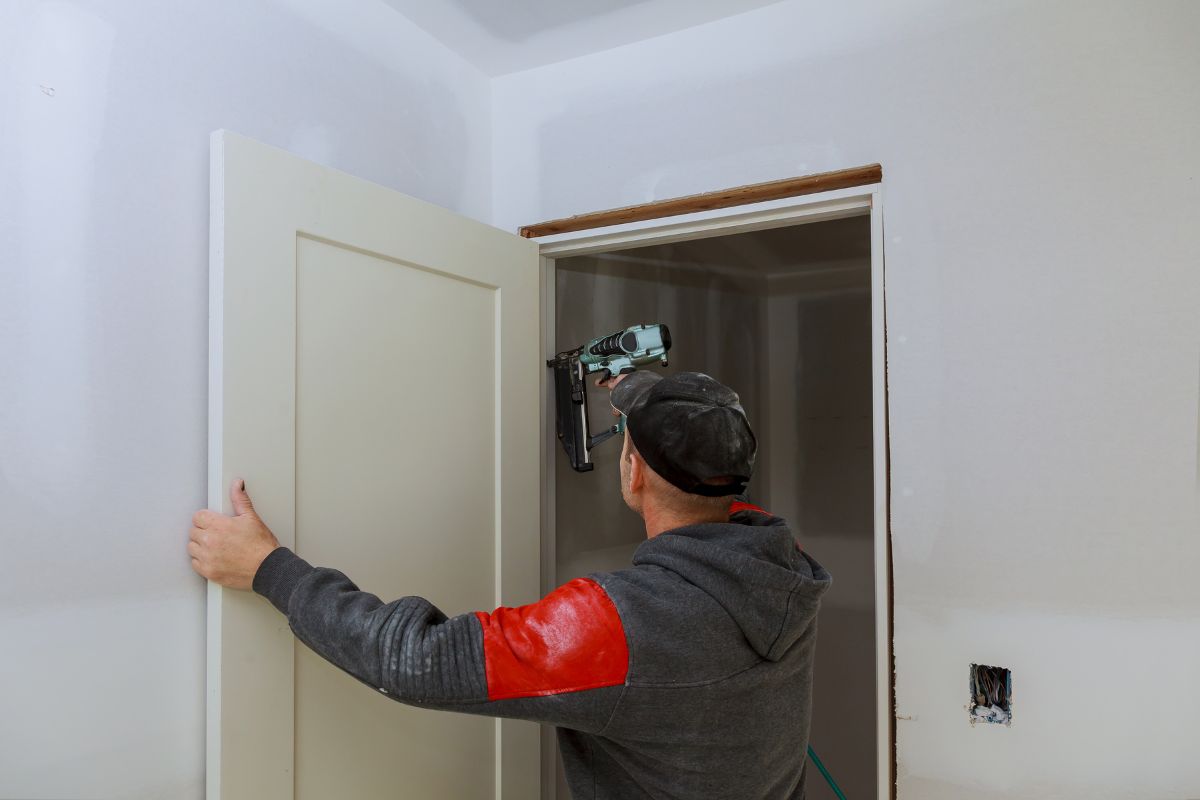
Even a high-quality, solid-core door can disappoint if it is installed poorly. Noise reduction depends on a tight system, not just a better slab. Installation affects how the door sits in the opening, how the latch compresses against the stop, and whether gaps remain consistent over time.
Why Squareness And Plumb Matter
If the jamb is out of plumb, the slab can twist slightly as it closes. That often creates one or two larger gaps, and those gaps become sound leaks. It can also lead to rubbing, sticking, or latching problems that homeowners mistakenly treat as normal. A proper installation corrects alignment so the door closes cleanly and evenly.
Shimming And Fastening Done Correctly
Shims support the jamb, but they must be placed strategically and tightened evenly. Over-compressing one section can bow the jamb. Under-supporting another can cause movement later. For sound reduction, the goal is stable contact around the perimeter so the slab seals consistently every time.
Strike Plate Alignment And Latch Compression
A door that barely latches is not sealed. A door that latches firmly and pulls the slab tight to the stop will block more sound and feel more substantial. Sometimes noise reduction is as simple as correcting strike placement, upgrading latch hardware, and ensuring the slab is held tight when closed.
Room By Room Strategies That Actually Work
Not every room needs the same level of sound control. A targeted plan usually gives better results than trying to treat every door the same way.
Bedrooms
Bedrooms often benefit the most from solid core doors and improved perimeter sealing. The goal is privacy and sleep. If hallway noise is the issue, focus on the latch side seal and the bottom gap first, then improve slab mass.
Home Offices
Home offices need voice privacy in both directions. A solid core slab with perimeter sealing, plus a reliable latch that holds the door tight, typically provides the best value. If you take frequent calls, consider a door bottom solution to reduce sound leakage under the slab.
Bathrooms
Bathrooms are about privacy, but you also have to manage moisture. Choose materials and finishes that handle humidity well. If noise privacy is the goal, a better-fitting door with a smaller bottom gap is often more impactful than style upgrades alone.
Media Rooms
Media rooms create louder sound pressure and lower frequencies. Doors alone may not solve everything, but a heavier slab, tight seals, and proper latch compression can reduce how much sound escapes. If bass is the main problem, you may also need wall and ceiling strategies, but the door should still be treated as a priority pathway.
What To Look For In A Door That Is Marketed As Sound Reducing
Some doors are sold with acoustic performance claims. That can be helpful, but you still need to understand what those claims mean in real life.
STC Ratings And What They Mean
You may see STC ratings for certain door assemblies. STC is a lab rating that measures how well a building component reduces sound transmission for common frequencies. Higher is better. The important detail is that real-world performance depends on the entire assembly, including the frame, seals, and installation quality. A high-rated slab without proper sealing can still leak sound through gaps.
Door Assembly Versus Door Slab
When sound matters, think in terms of a system. The slab adds mass. The jamb and stop create the contact surface. The seals reduce gaps. The latch holds compression. When these elements work together, you get the outcome you actually want, which is less noise transfer between rooms.
Common Mistakes That Keep Homes Noisy Even After A Door Upgrade
Door upgrades fail when the focus stays on appearance and ignores performance details. These are the issues that most often prevent homeowners from getting the noise reduction they expected.
Upgrading The Door But Keeping Large Gaps
A solid core door with a large undercut and visible side gaps will still allow a lot of noise through. If sound control is the goal, gap management must be part of the plan from the start.
Choosing A Barn Door For A Room That Needs Privacy
Barn doors are visually appealing, but they do not seal like hinged doors. For an office, bedroom, or bathroom where privacy matters, most homeowners are happier with a door style that allows real perimeter contact.
Ignoring Hardware Fit
Loose hinges, misaligned strikes, and light-duty latches can cause doors to rattle and leak sound. Hardware is part of the system. A quiet home often comes down to small mechanical details that keep the slab stable.
Skipping Professional Installation
Interior door installation looks simple, but precision matters. Small alignment issues lead to long-term performance problems, especially when you are trying to reduce noise. A door that is not plumb, square, and properly supported is more likely to develop gaps, rub, or drift out of alignment over time.
What A Professional Interior Door Upgrade Process Should Include
If you are replacing interior doors specifically to reduce noise, the project should include more than just swapping slabs. A quality process starts with understanding your goals and then selecting the right combination of door type and sealing strategy.
Measurement And Fit Evaluation
A professional installer should check the opening, jamb condition, hinge placement, and floor transitions. These details determine how well you can seal the perimeter and how much bottom gap can be reduced without creating friction.
Door Selection Based On Performance
You should expect guidance on solid core options, door thickness, and styles that fit your layout. If noise reduction is your priority, you should also expect a conversation about how to improve sealing, not just how the door looks.
Installation With Consistent Reveals
The final install should produce consistent gaps, smooth operation, and reliable latching. This is what makes sealing possible and keeps the door quiet and stable in daily use.
Optional Upgrades For Better Sound Control
Depending on the room, a professional may recommend door bottom solutions, improved stops, or acoustic sealing strategies. The right approach depends on your flooring, your door style, and how much noise reduction you want.
When Interior Doors Are Not Enough On Their Own
Interior doors can make a big difference, but there are times when additional improvements are necessary. If your walls are very thin, if there are open return air pathways, or if sound is moving through shared vents, a door upgrade will help but may not fully solve the problem.
A smart approach is to start with doors because they are often the weakest point and the easiest to improve. If you still need more quiet after that, you can add wall, ceiling, and HVAC strategies based on the specific pathways in your home.
Why Installation Matters For Quiet And Comfort
Noise reduction is one of those upgrades you notice every day, but only when the details are handled correctly. A door should close smoothly, latch firmly, and feel solid. It should also reduce the sound that travels through the opening by limiting gaps and adding mass. That performance depends as much on installation as it does on the door itself.
If you are investing in better interior doors for privacy, sleep, or a more productive home office, choose an installation team that treats fit and sealing as part of the craft, not an afterthought.
Interior Door Installation By Top Of The Trades
If you want quieter rooms with better privacy, upgrading to properly fitted interior doors is a practical place to start. Top Of The Trades supplies and installs interior doors, with options that can be tailored for smoother operation, tighter fit, and improved noise reduction between rooms. You can learn more about their interior door options and installation approach on the Interior Doors Installation page.
Schedule A Consultation
If you are ready to reduce noise in your home with better interior doors, contact Top Of The Trades to discuss door styles, solid core options, and installation details that make a real difference. You can request a quote and next steps through the Contact Us page.