
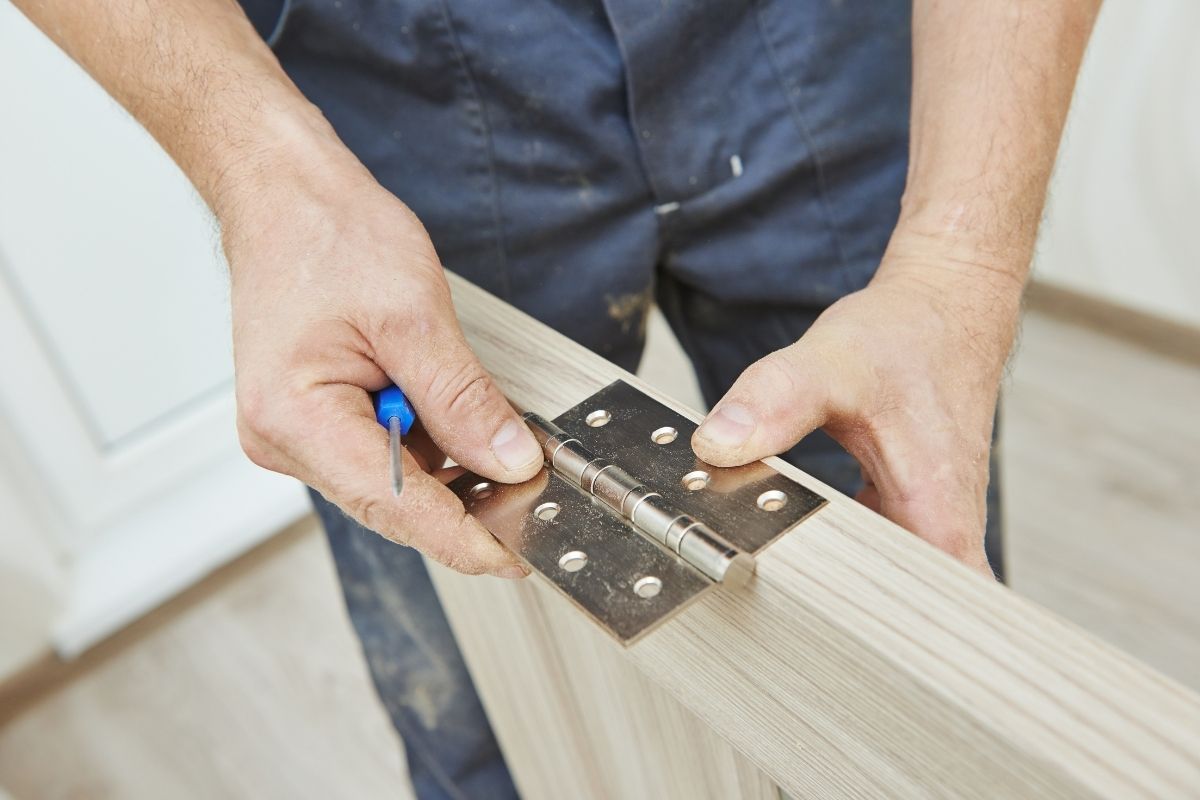
Professional door installation is one of those home improvements that looks simple from the outside but involves a surprising amount of precision behind the scenes. You see the finished door, clean trim, smooth operation, and a solid feel when it closes. What you do not see is the measurement accuracy, the framing alignment, the weather sealing, and the structural fit that determine whether your new door actually performs the way it should.
If you are replacing an entry door in Southern California, your expectations should go beyond appearance. A quality installation should improve security, reduce drafts, support better temperature control, and protect your home from moisture intrusion. It should also preserve smooth operation, consistent gaps, and a finish that looks like the door has always belonged there.
This guide explains what you should expect before, during, and after a professional door installation. It will help you understand why craftsmanship matters, what high-quality work looks like, and how to feel confident throughout the process.
Why Professional Door Installation Matters More Than The Door Itself
Many homeowners spend most of their time choosing the door. They compare materials, styles, glass options, and finishes. That attention makes sense. Your entry door is one of the most visible features of your home. But even the best door can underperform if it is installed poorly.
A door that is out of square can stick, rub, or fail to seal properly. A frame that is not anchored correctly can shift over time. Gaps that are not sealed with care can allow air, moisture, and insects into your home. Hardware that is misaligned can shorten the life of locks and hinges.
In other words, the performance you are buying is not only in the product. It is also in the craftsmanship.
A professional installation team is responsible for creating a solid, level, weather-resistant connection between the door and the structure of your home. That connection determines how well the door protects against forced entry, how effectively it blocks heat and cold, and how long it will function smoothly.
In regions with strong sun exposure, temperature swings, and seasonal rain, the details matter. Correct framing, proper fastening, consistent insulation, and reliable sealing protect your investment and your home. When the work is done well, you notice it every day in small but meaningful ways.
What Happens Before Installation Day
A smooth installation begins long before the crew arrives. The planning phase sets the tone for the entire project. You should expect clear communication, accurate measurements, and a defined scope of work so there are no surprises once installation begins.
In-Home Consultation And Measurements
Professional door installation starts with precise measurements. An entry door is not simply a standard size dropped into place. The installer must evaluate the existing opening, the condition of the framing, and how the new door will integrate with both the interior and exterior of your home.
Measurements include width and height, but also squareness and depth. A skilled installer checks whether the opening is level and plumb, whether the floor is even, and whether the surrounding structure shows signs of movement or moisture damage. These details determine whether the door will fit cleanly and operate properly.
If you are changing the style of the door, such as replacing a single door with a door and sidelights, or upgrading to a decorative glass design, the planning phase becomes even more important. Structural considerations, trim transitions, and exterior alignment all need to be addressed in advance.
Product Selection And Performance Discussion
A reputable installer does more than take an order. You should expect a conversation about what you are installing and why. This includes door material, glass configuration, threshold type, security features, and hardware options.
If energy efficiency is important, the discussion should include how the door core, weatherstripping, and glass package affect indoor comfort. If security is a priority, you should hear about frame reinforcement, lock quality, and how installation impacts real-world resistance.
A professional does not simply present a catalog. They help you choose a door that matches your home, your lifestyle, and your goals. The right product paired with the right installation approach is what delivers lasting value.
Scheduling And Lead Time Expectations
Entry door projects often involve ordering a custom or semi-custom unit. You should expect a clear timeline that includes manufacturing, delivery, and installation.
A professional team explains how long the door will take to arrive, how many days installation may require, and what factors could affect the schedule. They also discuss access points, whether the door opening will be unsecured during part of the process, and how the home will be protected if the project spans more than one day.
Clear expectations at this stage reduce stress later. You should know what will happen, when it will happen, and how your home will be managed throughout the project.
How To Prepare Your Home Before The Crew Arrives
Professional installers take steps to protect your home, but a little preparation on your end helps the day run smoothly. You should expect the company to provide basic guidance before installation, especially if the entryway is part of a high-traffic area.
A good starting point is clearing space around the door. This may include moving furniture, removing wall décor, and relocating items near the entry. Many homeowners also remove rugs or mats to prevent dust and debris from collecting in fabric.
If you have pets, plan where they will stay during the work. Door installation involves an open entry point for part of the process, tools moving in and out, and frequent foot traffic. Keeping pets secure protects them and keeps the crew working efficiently.
It is also helpful to plan for noise and temporary disruption. Removal and framing work can be loud. If you work from home, have small children, or need quiet during certain hours, discuss this in advance so expectations are aligned.
What To Expect When The Installation Team Arrives
A professional crew should arrive within the scheduled window, introduce themselves, and confirm the scope of work before beginning. This initial walkthrough aligns expectations and allows you to point out any concerns related to trim, finishes, or interior protection.
You should expect the team to protect nearby floors and surfaces. Many installers use drop cloths, plastic sheeting, and protective barriers around the work area. They should also explain where tools and materials will be staged and which entry points they will use.
This is the right time to confirm details that matter to you, such as interior trim preferences, exterior finish expectations, and how cleanup will be handled. A professional team welcomes these conversations because they prevent misunderstandings later.
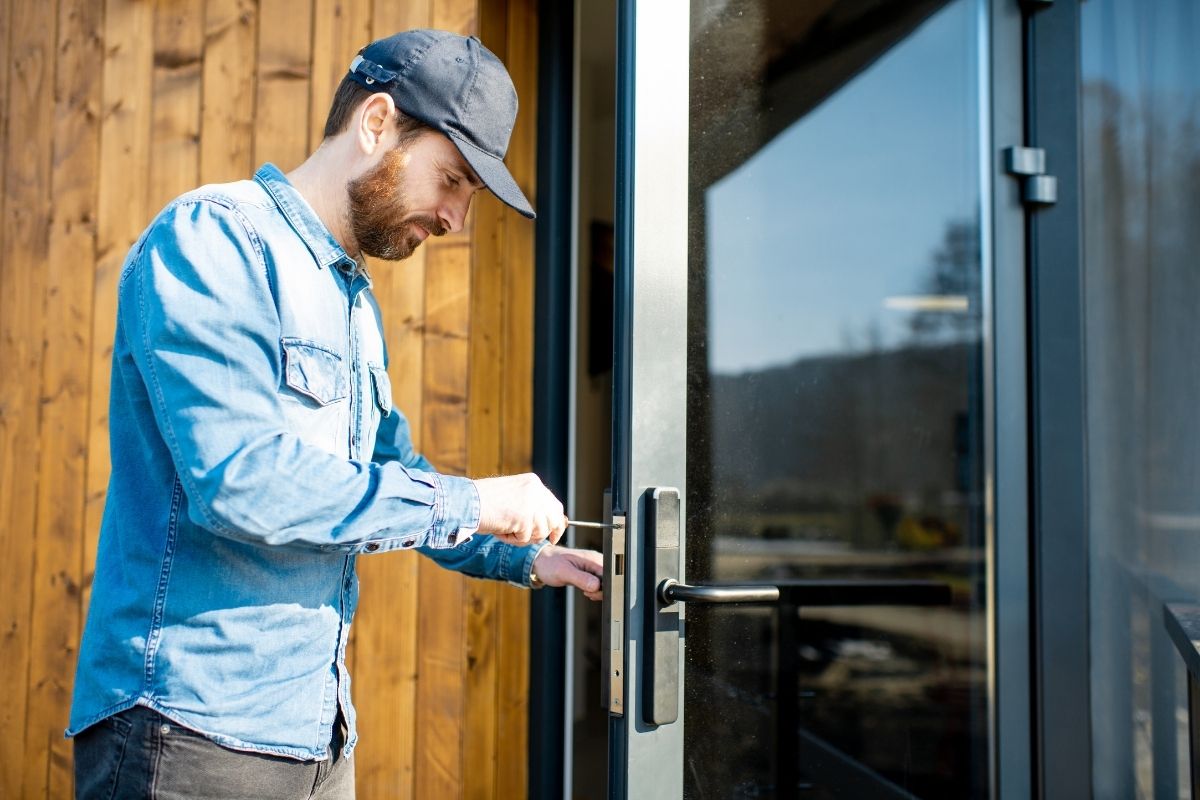
The Removal Process And What It Typically Looks Like
Removing an old entry door is often the most disruptive part of the job. The approach depends on the age of the home, the type of door being replaced, and whether the frame is being reused or fully removed.
In many cases, removal includes taking off interior trim, releasing the door slab, and carefully separating the existing frame from the surrounding structure. Older homes may have brittle wood, layered finishes, or previous repairs that require extra care.
A skilled crew works methodically to avoid unnecessary damage, but some disturbance around the opening is normal. Once the old unit is removed, the opening is cleaned and evaluated.
This is where professional judgment matters. The installer looks for signs of moisture intrusion, rot, or structural movement. If hidden damage is found, they should show it to you, explain its impact, and discuss how it will be addressed. Some issues can be repaired immediately. Others may require a revised scope.
Preparing The Opening For A Precise Fit
A door is not simply placed into a hole. The opening must be square, level, and structurally sound so the door can operate smoothly and seal properly.
The crew checks the framing for plumb and level. They may adjust the opening, replace small sections of damaged wood, or reinforce weak areas. The goal is to create a stable base so the new door performs as designed.
This step is also where moisture management begins. A professional installer applies flashing and sealing materials that guide water away from the opening. This is especially important in Southern California, where wind-driven rain can find its way into small gaps.
A door that looks beautiful but allows moisture into the wall assembly can cause long-term damage. Proper preparation protects both the door and the home itself.
Setting The New Door And Securing It Correctly
Once the opening is ready, the new door is set into place. At this stage, precision is critical. The crew checks alignment, ensuring the door is level, plumb, and square within the frame.
Installers use shims to fine-tune the position and support the frame without twisting it. Fastening follows manufacturer guidelines. Placement and tension matter. Over-tightening can warp the frame. Under-fastening can allow movement over time.
Before anything is sealed permanently, the door is tested. It should open and close smoothly, latch easily, and sit evenly in the frame. Gaps should be consistent. A door that binds on day one will usually get worse, so professionals correct alignment before moving forward.
This step determines how the door will feel every time you use it. A properly set door closes with confidence, seals without force, and remains stable through temperature changes and daily use.
Insulation And Air Sealing That Improve Comfort
One of the most valuable benefits of a new door is improved comfort, and that comes from proper air sealing. After the door is secured, the space between the frame and the rough opening is insulated.
This is typically done with low-expansion foam or other materials designed for door applications. The goal is to eliminate air gaps without distorting the frame.
This step reduces drafts, stabilizes indoor temperatures, and helps block outside noise. If your old door allowed cold air in during winter or heat in during summer, proper insulation is what makes the upgrade noticeable.
A professional team applies insulation evenly and allows it to set properly before finishing. Correct sealing supports long-term energy performance and helps prevent moisture issues around the entry.
Exterior Finishing And Weather Protection
Exterior finishing determines how well your new door stands up to the elements. This includes trim alignment, caulking, and sealing where the door frame meets siding, stucco, or brick.
A professional installer treats this step as part of the structural system, not just cosmetic detail. Clean lines matter, but so does water management. Sealants should be continuous and properly tooled. Flashing elements should direct moisture away from the opening. Trim should sit flat and tight without gaps that can expand over time.
In Southern California, sun exposure and temperature changes can cause materials to expand and contract. Quality exterior finishing accounts for that movement. When done well, it prevents cracking, peeling, and premature failure.
If paint or color matching is required, the installer should explain what is included and what may require a separate finishing step. What matters most is clarity so you know exactly how the exterior will look when the project is complete.
Interior Finishing And What You Will See Inside
On the interior, professional door installation should look intentional and clean. Depending on the project, the crew may reinstall existing trim, replace it, or create a minimal finish designed for later painting.
You should expect tight joints, consistent lines, and a finish that blends naturally with your home. There may be light dust during removal and adjustment, but a professional team manages it with coverings and cleanup.
If you have preferences about trim style or transitions, discuss them during the initial walkthrough. Aligning expectations early makes the outcome smoother and avoids last-minute changes.
Cleanup And Respect For Your Home
Cleanup is part of professional service. You should expect old materials to be removed, debris collected, and the work area left clean.
A quality team wipes down surfaces near the door, vacuums the area, and removes protective coverings before leaving. If the project spans more than one day, the entry should be secured and the site left safe overnight.
Respect for your home is reflected in these details. When installers treat your space carefully, the experience feels organized and professional rather than disruptive.
Final Walkthrough And Quality Checks
At the end of the job, you should expect a walkthrough. This is your opportunity to confirm that everything works and looks right.
A professional walkthrough includes testing the door’s operation, checking locks and handles, confirming even gaps, and reviewing interior and exterior finishes. It is also the time to ask questions about maintenance, cleaning, and long-term care.
If something feels off, say so. The best installers prefer to address concerns immediately rather than after the project is closed.
What Is Normal After Installation And What Is Not
After installation, it is normal to notice new materials settling. Sealants cure. Finishes adjust. You may smell adhesives briefly.
It is not normal for a door to stick, feel loose, or allow drafts. It is not normal for water to appear near the entry during rain. These signs should be reported promptly so they can be corrected before they cause damage.
Modern doors often include features that differ from older models. Ask how to clean tracks, adjust hardware, and care for finishes so you can protect your investment.
Why Homeowners Choose Top Of The Trades For Door Installation
Door installation should feel organized, precise, and dependable. Top of the Trades provides professional entry door installation across Southern California, with a focus on accurate measurement, structural fit, weather protection, and clean finishing.
Every project is approached with the understanding that your door is more than decoration. It is a security feature, an energy barrier, and a daily touchpoint in your home. Proper installation ensures it performs that role for years.
To learn more about entry door options and installation services, visit the Entry Door Installation page.
Schedule Your Free Door Installation Consultation
If you are planning to replace your front door or want a professional opinion on your current entry, contact Top of the Trades for a free consultation. Call (800) 868 6130 to speak with the team, or use the online form to request your quote.