
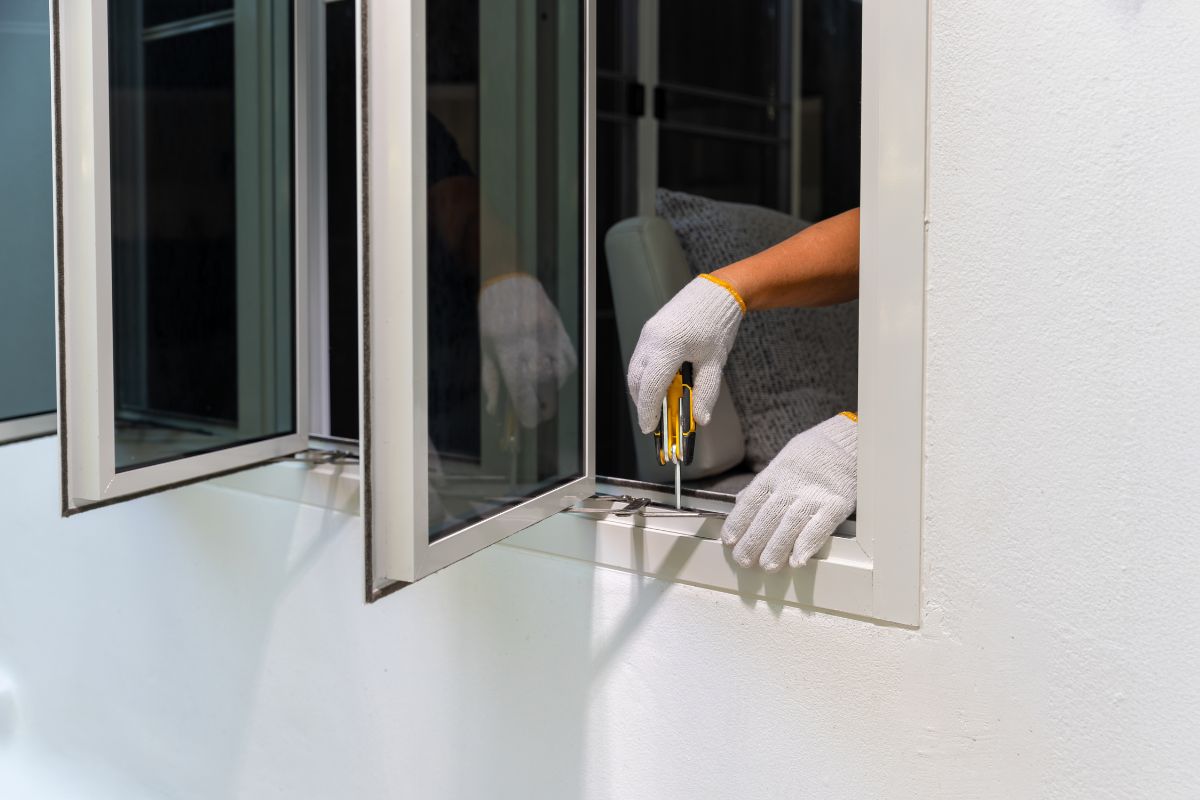
Windows play a vital role in your home’s comfort, energy efficiency, and overall appearance. They let in natural light, offer ventilation, and provide protection from outside elements. But like all parts of your home, windows don’t last forever. Over time, they can wear out, become inefficient, or fall behind in terms of modern style and functionality.
If you’re noticing drafts, higher energy bills, or trouble opening and closing your windows, it might be time for an upgrade. Here’s how to recognize the warning signs that indicate it’s time to replace your windows, and why investing in new ones can greatly improve your home’s value and comfort.
Why Window Replacement Matters
Replacing old or damaged windows is one of the smartest home improvement decisions a homeowner can make. New windows improve energy efficiency, reduce noise, enhance security, and give your home a fresh, updated look. In California, where temperatures can fluctuate and energy costs are high, upgrading to energy-efficient windows can also lead to significant long-term savings.
How Long Do Windows Usually Last?
Most windows last between 15 to 25 years, depending on the material, installation quality, and maintenance. Aluminum and vinyl windows tend to have shorter lifespans, while fiberglass and wood-clad windows can last longer with proper care. If your windows are nearing the two-decade mark, it’s wise to start inspecting them for early signs of deterioration.
Drafts and Air Leaks Around the Frame
Feeling the Breeze When Windows Are Closed
If you feel a breeze when standing near a closed window, it’s a clear sign of a draft. These air leaks occur when seals fail or the frame warps over time. Even small drafts can lead to a noticeable drop in indoor comfort and an increase in heating and cooling costs.
The Impact on Energy Efficiency
Drafty windows make your HVAC system work harder to maintain your desired temperature. Replacing them with Energy Star-rated windows can lower your energy bills by up to 20%, while improving insulation and comfort throughout your home.
Difficulty Opening, Closing, or Locking
Stuck or Jammed Windows
When windows become hard to operate, it’s more than an inconvenience — it’s a safety concern. Windows that don’t open easily can be a hazard in an emergency situation, while those that won’t close properly reduce your home’s security.
What Causes Operational Problems
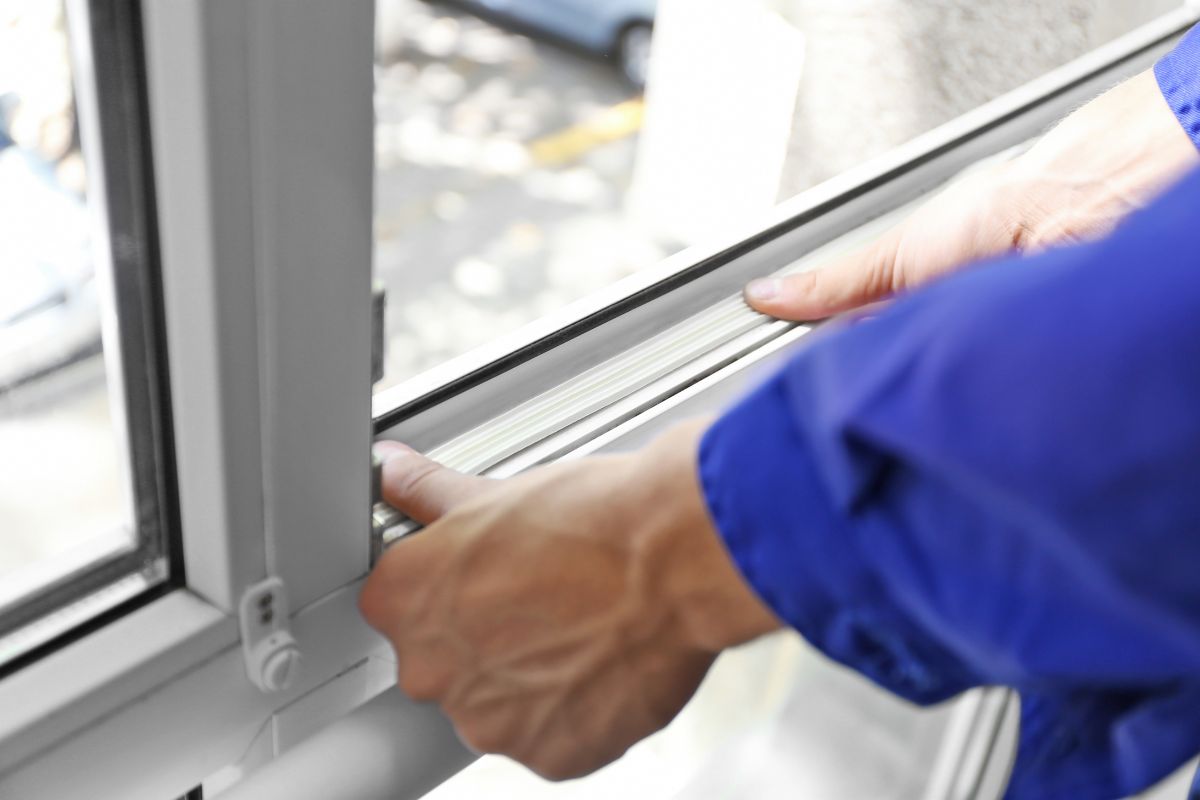
Age, dirt buildup, warped frames, or failing hardware can make windows stick or jam. Modern replacement windows use improved materials and mechanisms that are smoother, safer, and designed for long-term reliability.
Visible Damage or Decay
Cracked Glass or Rotting Frames
Physical damage is one of the most obvious signs your windows need attention. Cracks, chips, or rotting wood frames not only look unattractive but also weaken the window’s insulation and weather resistance.
Mold and Moisture Problems
If you notice mold, mildew, or soft wood, it means water has seeped into the frame. This can lead to structural damage and poor indoor air quality — issues that require immediate replacement rather than repair.
Rising Energy Bills
The Hidden Cost of Old Windows
If your energy bills have been climbing without a change in your energy habits, your windows may be to blame. Heat can escape through single-pane or poorly insulated windows, while cold air seeps in during winter.
Energy-Efficient Window Benefits
Modern windows with Low-E (low emissivity) coatings, argon gas fills, and double or triple panes act as thermal barriers, keeping your home warmer in winter and cooler in summer. These features can drastically improve comfort while reducing energy use year-round.
Condensation Between Glass Panes
What It Means
Fog or condensation trapped between double or triple panes indicates that the seal has failed, allowing moisture to enter. Once this happens, the insulating gas between the panes leaks out, reducing the window’s performance.
Why Replacement Is the Only Solution
A failed seal can’t be repaired effectively. Replacing the entire window is the best way to restore insulation, visibility, and energy efficiency.
Noise Pollution from Outside
When Outdoor Sounds Become Noticeable
If you can easily hear traffic, barking dogs, or neighbors through closed windows, they may not be providing enough sound insulation. Older windows typically lack the multiple panes and sound-dampening features found in today’s models.
The Difference Modern Windows Make
New insulated or laminated glass can significantly reduce noise intrusion, creating a quieter, more relaxing indoor environment, especially important for homes near busy streets or schools.
Outdated Appearance
Aesthetic Appeal Matters
Old, worn, or faded windows can make even a well-maintained home look dated. Upgrading to new designs with clean lines, stylish trims, and modern materials can instantly refresh your home’s exterior and interior aesthetics.
Boosting Curb Appeal and Resale Value
If you’re planning to sell your home, replacing outdated windows is one of the top investments that deliver high returns. Buyers are drawn to energy-efficient, low-maintenance windows that improve both form and function.
Window Frames Are Cold to the Touch
Poor Insulation Indicators
Touch your window frame during a cold morning or hot afternoon. If it feels cold or hot depending on the season, your insulation is failing. This means conditioned air is escaping while outside temperatures are seeping in.
Upgrading to Thermal Break Technology
New windows made with vinyl, fiberglass, or wood-clad frames include thermal breaks that prevent heat transfer, making them ideal for California’s mixed climate.
Frequent Condensation Inside the House
The Comfort and Moisture Balance
While occasional condensation can be normal, frequent moisture on the inside of your windows means they’re not adequately insulating. This can lead to mold growth, damage to window sills, and even respiratory issues.
Proper Ventilation and Window Quality
Upgrading to energy-efficient, well-ventilated windows helps maintain a stable indoor humidity level and eliminates persistent condensation issues.
Fading Furniture and Flooring
UV Rays Are the Culprit
Old windows often lack UV protection, allowing sunlight to fade your floors, carpets, and furniture over time.
Modern Solutions for UV Protection
Today’s replacement windows often feature Low-E coatings that block up to 95% of UV rays, protecting your interiors while still letting in plenty of natural light.
When Repair Is Not Enough
Sometimes, homeowners try to patch up old windows with temporary fixes like caulking, weatherstripping, or glass repair kits. While these can offer short-term relief, they don’t solve the underlying problems of age, poor insulation, and frame deterioration. If repairs have become frequent or costly, full replacement is the most practical long-term solution.
Choosing the Right Replacement Windows
Match Style with Function
When choosing replacement windows, consider your home’s architecture, your energy goals, and your personal style. Popular options include casement, double-hung, sliding, picture, and bay windows, each offering unique benefits in design and ventilation.
Focus on Quality Installation
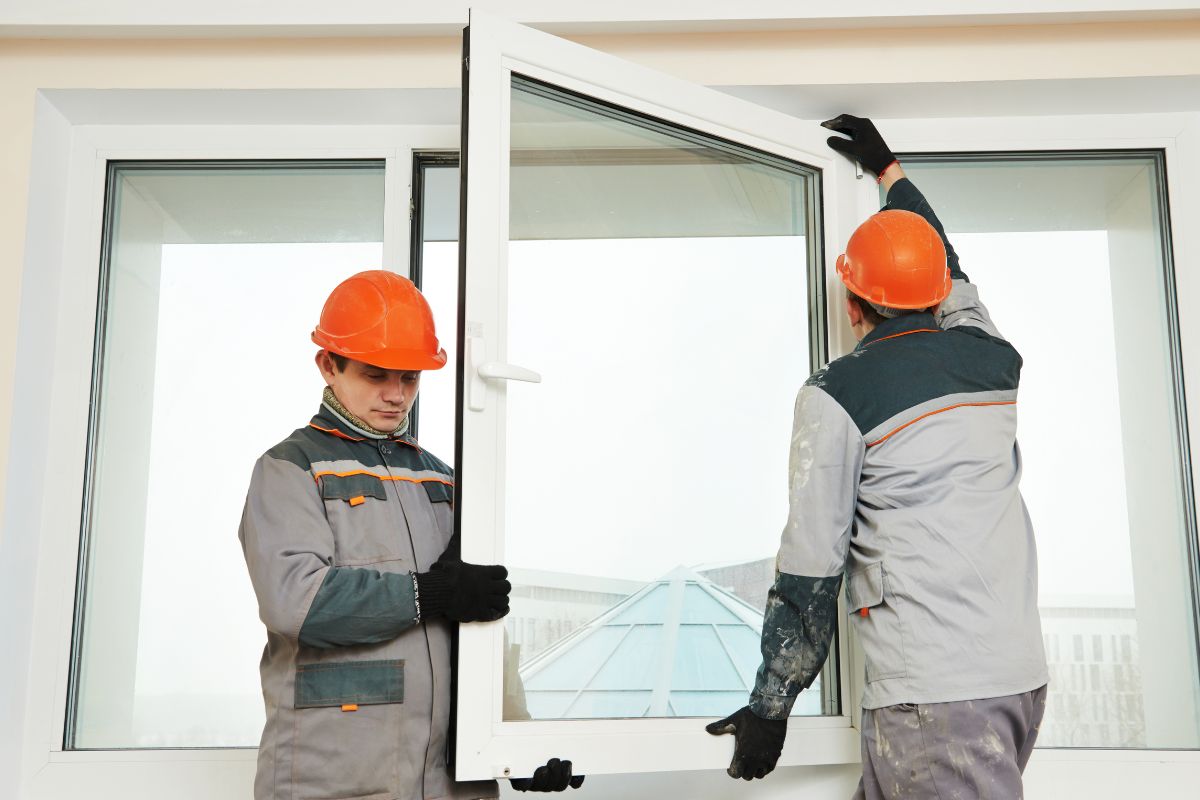
Even the most advanced window won’t perform well if it’s installed poorly. Always hire professional installers to ensure a tight fit, proper sealing, and compliance with manufacturer warranties.
The Benefits of Replacing Your Windows
Improved Energy Efficiency
New windows help regulate indoor temperature, reduce HVAC usage, and lower energy bills.
Enhanced Home Comfort
Better insulation means fewer drafts, more consistent temperatures, and reduced outside noise.
Higher Property Value
Upgraded windows are one of the top home improvements that yield a strong return on investment, often recouping more than 70% of the cost at resale.
Greater Security
Modern locking mechanisms, impact-resistant glass, and reinforced frames enhance your home’s safety.
Easier Maintenance
Contemporary materials like vinyl and fiberglass are designed to last with minimal upkeep, saving you time and effort.
How Often Should You Inspect Your Windows?
Experts recommend inspecting your windows at least twice a year — once before summer and once before winter. Check for air leaks, condensation, rot, or sticking mechanisms. Early detection allows you to plan replacements before damage worsens or energy costs rise.
Why Choose Top of the Trades for Window Replacement
Top of the Trades offers professional window replacement and installation services across California, providing homeowners with energy-efficient solutions that enhance comfort, security, and style. Whether you’re upgrading outdated windows or improving your home’s insulation, our team ensures superior craftsmanship, top-quality materials, and lasting performance.
We help you choose the right window type, frame material, and design to match your home’s aesthetic and budget. From start to finish, we handle the entire process with precision — so you can enjoy the long-term benefits of modern, efficient windows.
Final Thoughts
If you’re noticing drafts, condensation, rising energy bills, or outdated designs, it’s time to take a closer look at your windows. Replacing them not only improves comfort and efficiency but also enhances your home’s appearance and value.
For professional window replacement and installation services, contact Top of the Trades — your trusted partner in quality craftsmanship and home improvement excellence. Call (800) 868-6130 today to schedule a free consultation.