Category: Windows – Questions

Most Common Window Questions Answered from Top of the Trades, Top Home Service Provider in Upland, CA. Top of the Trades Designs and Installs Custom Windows

  • What Is The Best Window Frame Material For Southern California Homes

    What Is The Best Window Frame Material For Southern California Homes

    Choosing new replacement windows is not only about picking a style that looks good from the street. The frame material plays a major role in how the windows perform over time, how much maintenance they require, how well they handle heat and sunlight, and how much long-term value they add to the home. In Southern California, those choices matter even more because homeowners are often balancing strong sun exposure, warm temperatures, changing design preferences, and the need for energy efficiency without turning every upgrade into a high-maintenance project.

    That is why the better question is not simply which window frame material is best in the abstract. The better question is which frame material makes the most sense for your home, your budget, your climate conditions, and your long-term priorities. Some homeowners want the lowest-maintenance option possible. Others care more about appearance, strength, or a more premium architectural look. The best answer depends on what you want the windows to do after they are installed, not just how they look in a showroom sample.

    This guide explains the most common window frame materials for Southern California homes, how they compare, what strengths and limitations each one has, and how to think through the decision in a practical way before investing in new windows.

    Why Window Frame Material Matters More Than Many Homeowners Expect

    When people shop for new windows, they often focus first on glass, grid patterns, color, or whether the window opens the way they want. Those details matter, but the frame material influences performance in a deeper way. It affects durability, upkeep, insulation, appearance, and how the window responds to years of weather exposure.

    That is important because window replacement is usually not a short-term purchase. Homeowners are making a decision they expect to live with for years. If the frame material is poorly matched to the home or to the owner’s expectations, the disappointment usually shows up later in the form of maintenance frustration, visual dissatisfaction, or weaker long-term value than expected.
    best window frame material southern california homes

    Southern California Homes Need A Different Kind Of Practical Thinking

    Southern California homes are not dealing with the same weather patterns as homes in snow-heavy or high-humidity regions, but that does not make material choice less important. Strong sun exposure, dry heat, changing temperatures, and architectural style all influence what homeowners may want from a window frame.

    In practical terms, many homeowners in this region are looking for a combination of energy efficiency, clean appearance, durability, and low maintenance. They often want windows that can handle heat and sunlight well while still fitting the design of the home. That is why the best material is rarely decided by one feature alone.

    Vinyl Window Frames Are Often The Most Practical Starting Point

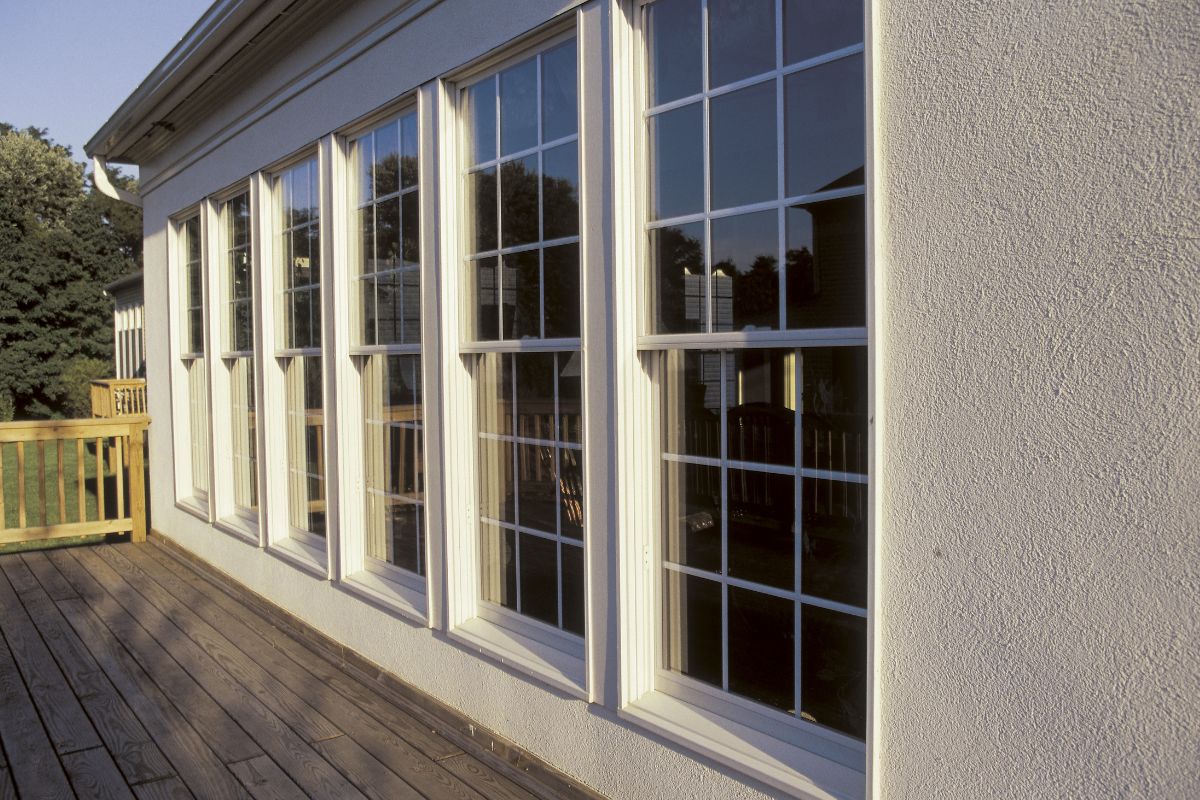
    For many homeowners, vinyl is one of the most practical and cost-effective window frame materials. It is often popular because it is relatively low maintenance, does not require painting the way wood does, and can offer strong value for homeowners who want performance without a premium maintenance burden.

    That makes vinyl especially attractive for people who want a cleaner, more straightforward replacement-window decision. If the goal is to improve comfort, energy efficiency, and appearance without committing to regular refinishing or a more expensive material category, vinyl often becomes the starting point for the conversation.

    Why Homeowners Often Like Vinyl?

    Vinyl tends to appeal to homeowners who want a simpler ownership experience. It is usually chosen because it can look clean, perform well, and avoid some of the upkeep concerns associated with more maintenance-heavy materials. For many households, that balance is hard to ignore.

    Where Vinyl May Not Be The Perfect Fit?

    Vinyl is not always the first choice for every design goal. Some homeowners want a more premium architectural appearance, a slimmer frame profile, or a material that feels more custom in presentation. In those cases, the decision may move toward a different frame material even if vinyl still performs well from a practical standpoint.

    Fiberglass Window Frames Offer A Strong Performance Upgrade

    Fiberglass is often viewed as a more premium option than vinyl and is frequently chosen by homeowners who want a stronger frame with a more refined appearance and very solid long-term performance. It is often appealing in homes where durability and stability matter, especially when the owner wants something that feels more substantial without moving all the way into a traditional wood-maintenance commitment.

    Fiberglass can be especially attractive for homeowners who want a cleaner, higher-end look paired with very good long-term function. While it typically costs more than vinyl, it may make sense for homeowners who care about strength, longevity, and a material that feels more upscale overall.

    Why Fiberglass Can Be A Strong Choice?

    Homeowners often choose fiberglass when they want a window frame that feels sturdy, performs well, and offers a step up in overall finish and long-term value. In homes where the window project is being treated as a major upgrade rather than a basic replacement, fiberglass often becomes a serious contender.

    Why Fiberglass Is Not Automatically The Best Choice For Everyone?

    The main limitation for many homeowners is cost. If the budget is tight and the goal is mainly practical improvement rather than a premium material jump, fiberglass may feel harder to justify. The best material still depends on whether the homeowner values the added upgrade enough to support the price difference.

    Wood Window Frames Still Have A Distinctive Design Appeal

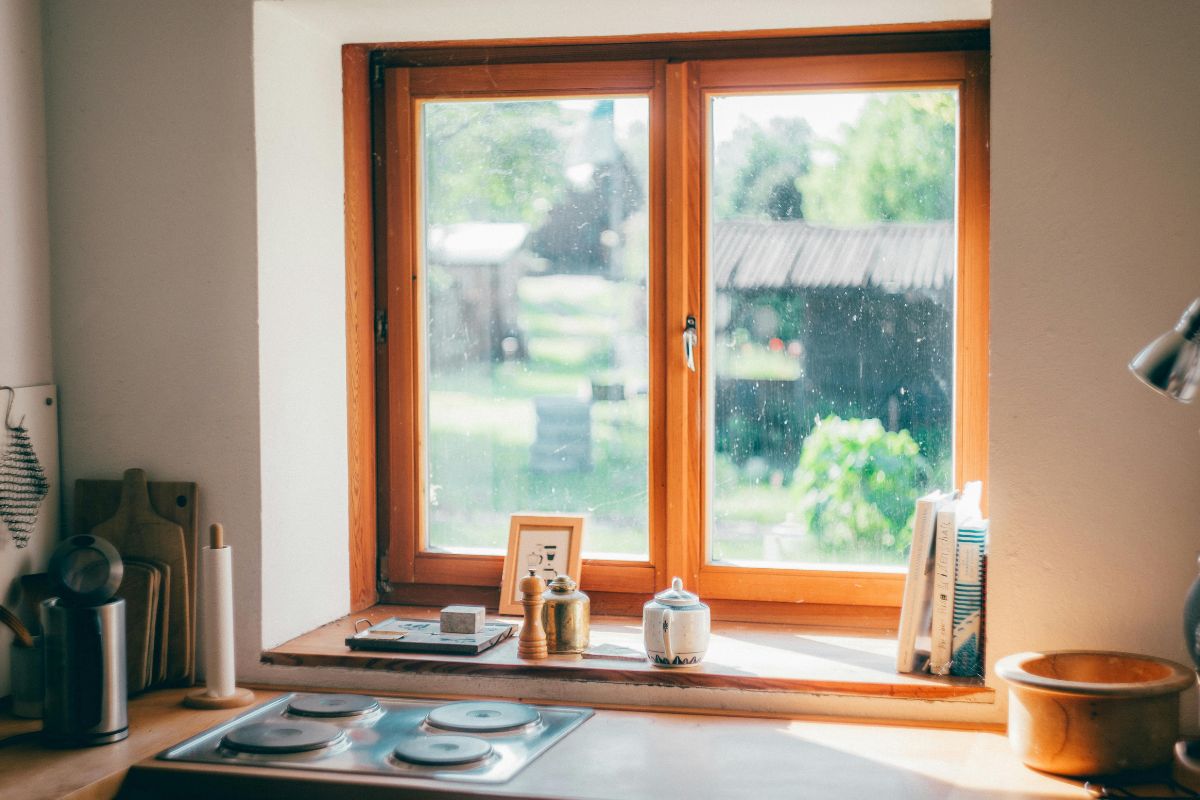
    Wood remains a very attractive option for homeowners who care deeply about traditional appearance, warmth, and architectural character. In the right home, wood windows can create a look that feels richer and more classic than more utilitarian materials.

    This can make wood especially appealing for homes with a more custom, historic, or design-focused style. Some homeowners simply prefer the natural appearance and visual depth that wood can offer. In those cases, style and material feel may outweigh purely practical considerations.
    best window frame material southern california homes

    Why Some Homeowners Still Prefer Wood?

    Wood can be the right choice when the homeowner values aesthetics enough to accept the maintenance that comes with it. It often fits homes where visual detail and architectural authenticity matter more than having the lowest-maintenance window possible.

    Why Wood Is Not Usually The Easiest Option?

    The tradeoff is usually maintenance. Wood often requires more attention over time, and that can be a disadvantage for homeowners who want their replacement windows to simplify home upkeep rather than add to it. In Southern California, some homeowners love the look of wood but do not want the long-term responsibility that comes with it.

    Aluminum Frames Can Work In Some Modern Designs

    Aluminum window frames may appeal to homeowners who want a modern aesthetic, slimmer sightlines, or a particular architectural look. In some design-driven homes, aluminum can feel visually appropriate in a way that other materials do not.

    That said, aluminum is not automatically the best answer for most homeowners simply because it looks sleek. The bigger question is whether the design priorities justify the material choice and whether the homeowner is selecting it for the right reasons rather than just for appearance.

    The Best Material Usually Depends On The Homeowner’s Priority

    One of the easiest ways to simplify the decision is to stop asking which material is best overall and instead ask which material is best for your priority. If your main goal is low maintenance and strong everyday value, vinyl may make the most sense. If you want a more premium performance-oriented upgrade, fiberglass may be more appealing. If appearance and architectural warmth matter most, wood may deserve stronger consideration. If the project is highly design-driven and modern, aluminum may enter the conversation.

    That shift matters because it turns the decision into a practical fit question instead of a vague ranking contest. Materials do not perform in a vacuum. They perform in the context of what the homeowner actually wants from the project.

    Budget Should Be Considered Early, Not At The End

    Many homeowners make the mistake of falling in love with a material first and only thinking about budget later. A better approach is to decide early whether the project is meant to be a value-conscious replacement, a mid-level upgrade, or a more premium improvement. That helps narrow the field faster and avoids wasting time comparing products that were never realistic options in the first place.

    This does not mean the least expensive material is always the smartest. It means the material should fit the financial goals of the project from the beginning. A more expensive frame only makes sense if the added benefits align with what the homeowner actually values.

    Appearance Still Matters More Than People Admit

    Homeowners often try to make this decision sound purely technical, but appearance matters. Windows affect curb appeal, interior light, frame thickness, color options, and how traditional or modern a home looks after the project is complete. Two materials may both perform well, but one may simply look more right for the house.

    That is why the best window frame material is not always chosen by efficiency or durability alone. It is often chosen based on the balance between performance and how naturally it fits the home’s architecture and the owner’s taste.

    Installation Quality Still Matters As Much As Material Choice

    Even the best frame material can disappoint if the installation is poor. A well-made window still depends on proper measurement, fitting, sealing, flashing, and finish work. Homeowners sometimes spend so much time debating frame materials that they overlook the importance of professional installation.

    That is a mistake because long-term performance depends on both the product and the installation. The strongest result usually comes from choosing a material that fits the home and having it installed correctly from the start.
    best window frame material southern california homes

    What Material Is Usually Best For Most Southern California Homes?

    If the question is narrowed to what is usually the most practical choice for many Southern California homeowners, vinyl often ends up being the most broadly appealing answer because it balances affordability, appearance, low maintenance, and solid everyday performance. That does not make it the best option for every home. It makes it the strongest fit for many homes where practicality leads the decision.

    For homeowners who want a more premium upgrade and are comfortable spending more, fiberglass may be one of the strongest alternatives. For design-focused projects, wood or aluminum may be more appropriate depending on the architecture and the owner’s priorities.

    The Bottom Line

    The best window frame material for Southern California homes depends on what matters most to the homeowner. Vinyl is often the most practical all-around option for value, low maintenance, and everyday performance. Fiberglass can be a strong upgrade for homeowners who want a more premium material. Wood may be the right fit when appearance and architectural warmth matter most, while aluminum may make sense in certain modern designs.

    The strongest decision usually comes from matching the material to the home, the budget, and the long-term expectations of the project. Instead of asking which frame material sounds best in general, it is smarter to ask which one makes the most sense for the way you want your windows to look, perform, and age over time.

    If you are planning a broader exterior upgrade, it may also help to compare your window replacement options alongside related improvements such as patio doors or gutters, especially if you want the finished project to look cohesive and perform well as a whole.

    Top Of The Trades

    Top Of The Trades provides window installation as well as services for entry doors, patio doors, and gutters. If you are comparing window frame materials and want help choosing an option that fits your home’s design, climate needs, and budget, the best next step is to request guidance through the Contact Us page.

    Frequently Asked Questions

    1. What Is The Most Low-Maintenance Window Frame Material?

    For many homeowners, vinyl is one of the most low-maintenance options because it typically does not require the same level of regular upkeep as wood. That is one reason it remains such a popular replacement window material.

    2. Is Fiberglass Better Than Vinyl For Replacement Windows?

    Fiberglass may be better for some homeowners who want a more premium-feeling material and are willing to spend more for that upgrade. Vinyl is often the more practical choice for homeowners who prioritize value and low maintenance.

    3. Are Wood Window Frames Still A Good Choice?

    Yes, for the right home and homeowner. Wood can be an excellent choice when architectural style and natural appearance are top priorities. The main tradeoff is that it usually requires more maintenance over time.

    4. What Window Frame Material Is Best For Hot Weather?

    The best option depends on the project’s broader goals, but many homeowners in warm climates prefer materials that balance durability, insulation, and manageable upkeep. That is one reason vinyl and fiberglass are both common choices.

    5. Is Aluminum A Good Window Frame Material For Homes?

    Aluminum can work well in certain modern or design-driven homes, especially where slimmer lines and a specific aesthetic matter. It is not always the first choice for every homeowner, but it can be the right fit in the right project.

    6. Which Window Frame Material Lasts The Longest?

    Longevity depends on both the material and the quality of the installation. Fiberglass is often seen as a very durable premium option, while vinyl also offers strong long-term value when properly installed and maintained.

    7. Does Window Frame Material Affect Energy Efficiency?

    Yes, it can. The frame is part of the total window system, so the material choice can influence performance along with the glass package, seals, and installation quality.

    8. Is Vinyl Too Basic For A Nice Home?

    Not necessarily. Vinyl is often chosen for its practicality and cost-effectiveness, but that does not mean it cannot look clean and attractive. For many homes, it delivers a very strong balance of appearance and performance.

    9. How Do I Choose The Right Frame Material For My Home?

    The best approach is to decide what matters most first. If you care most about low maintenance and value, one material may stand out. If you care most about premium feel or architectural appearance, another may make more sense. The right choice comes from matching the material to your priorities.

    10. Does Installation Matter As Much As The Window Material?

    Yes. Even a great frame material can disappoint if the installation is poor. Proper fit, sealing, waterproofing, and finish work are all critical to long-term performance.

  • What Should You Expect During A Professional Window Installation

    What Should You Expect During A Professional Window Installation

    Professional window installation is one of those home upgrades that feels simple from the outside but has a lot happening behind the scenes. You see the finished window, clean trim, and clear glass. What you do not see is the measurement accuracy, the waterproofing details, the air sealing, and the careful fit that determines whether your new windows perform the way you paid for them to perform.

    If you are replacing old windows in Southern California, your expectations should go beyond appearance. A quality installation should improve comfort, reduce drafts, support better temperature control, and help protect your home from moisture intrusion. It should also preserve clean sightlines, smooth operation, and an overall finish that looks like the window has always belonged there.

    This guide explains what you should expect before, during, and after a professional window installation. It will help you plan, know what questions to ask, and understand what high-quality work looks like so you can feel confident throughout the process.

    Why Professional Installation Matters More Than The Window Brand

    Many homeowners focus on the window brand or the glass package, which makes sense. But even a premium window can underperform if it is installed incorrectly. Poor installation can lead to air leaks, water intrusion, rattling, sticking sashes, uneven gaps, and premature failure of seals. In other words, the performance you are buying is not only in the product. It is also in the craftsmanship.

    A professional installation team is responsible for the most important job in the process, which is creating a tight, level, weather-resistant connection between the window and the structure of your home. That connection is what protects your investment and ensures the window functions properly for years.

    In areas with strong sun exposure, seasonal temperature swings, and occasional heavy rain, the details matter. Correct flashing, proper fastening, and consistent insulation help keep moisture out and indoor comfort in. When that work is done well, you notice it every day in small but meaningful ways.

    What Happens Before Installation Day

    A smooth installation day usually starts with a strong pre-install process. You should expect planning, product confirmation, and a clear scope of work so there are fewer surprises once the crew arrives.

    what should expect during professional window installation

    In-Home Consultation And Measurements

    A professional window installation begins with accurate measurements. The team should confirm the existing openings, identify the window type and configuration, and document any conditions that could impact installation. This includes the wall type, exterior finish, trim style, and any signs of past moisture issues.

    Measurements are not just width and height. A skilled installer also considers squareness, structural framing, and how the new unit will integrate with interior and exterior trim. If you are changing the style of the window, such as moving from a slider to a picture window or adding a bay window, the planning phase becomes even more important.

    Product Selection And Performance Discussion

    You should expect a clear conversation about what you are installing and why. That may include frame material, glass options, and practical features such as ventilation, security, and ease of cleaning. A reputable installer will discuss tradeoffs and help you select a window that matches your home and lifestyle, not just a window that looks good in a catalog.

    If energy efficiency is a key goal, you can expect a discussion about glass coatings, dual-pane performance, and how sun exposure affects comfort. If noise reduction is a key goal, you can expect a discussion about glass thickness, sealing quality, and how installation impacts sound control.

    Scheduling And Lead Time Expectations

    Window projects are often scheduled around ordering and delivery. You should expect a timeline that includes the ordering period, delivery window, and installation date range. A professional team should also communicate how many days the project may take based on the number of windows and the complexity of the openings.

    It is also normal to discuss how the crew will access each window, whether ladders are needed, and whether any furniture relocation is required. Clear expectations here help avoid stress on installation day.

    How To Prepare Your Home Before The Crew Arrives

    Professional installers will protect your home, but there are a few ways you can make the day easier. You should expect the company to give you preparation guidance, especially if you are replacing multiple windows.

    A good starting point is clearing space around each window. That may include moving furniture, removing wall decor near the opening, and taking down curtains or blinds. Some homeowners prefer to remove treatments themselves to keep hardware organized, while others ask the crew to handle it. Either approach can work as long as it is discussed in advance.

    If you have pets, plan where they will stay during the work. Window installation involves open access points, tools, and frequent movement in and out of the home. Keeping pets secure protects them and keeps the work moving efficiently.

    You should also expect noise and temporary dust. Even careful crews create some disruption during removal and trim work. It helps to plan ahead if you work from home, have small children, or need quiet during certain hours.

    What To Expect When The Installation Team Arrives

    A professional crew should arrive within the scheduled time window, introduce themselves, confirm the scope of work, and walk the home with you before starting. This walkthrough matters because it aligns expectations and helps identify any last-minute concerns.

    You should expect the crew to protect flooring and nearby surfaces, especially in high-traffic areas. Many teams use drop cloths, plastic barriers, and protective coverings near the work zones. They should also explain where tools and materials will be staged and which entry points they will use.

    At this point, it is appropriate to confirm any details that matter to you, such as interior trim preferences, exterior finish expectations, and cleanup routines. Professional teams do not mind these questions because they help avoid misunderstandings.

    The Removal Process And What It Typically Looks Like

    Removal can be the most disruptive part of the job, especially in older homes. The approach depends on the existing window type and the installation method planned for the replacement.

    In many cases, removal includes taking out interior stops or trim, releasing the old sash or frame, and carefully separating the unit from the opening. If stucco, old aluminum frames, or brittle wood is involved, removal may take extra time. A careful crew works methodically to avoid unnecessary damage, but you should still expect some level of disturbance around the opening.

    Once the old unit is removed, the opening is cleaned and evaluated. This is where professionals distinguish themselves. They look for signs of moisture, rot, or framing damage. If there is hidden damage, they should show you what they found, explain the impact, and discuss the best path forward. Some repairs can be handled immediately. Others may require a revised scope.

    what should expect during professional window installation

    How The Opening Is Prepped For A Weather-Tight Fit

    This step is critical. A window is not just set into a hole. It needs a stable, square, sealed opening so it can operate smoothly and resist water and air movement.

    The crew should check the opening for level, plumb, and square. They may adjust the opening, replace small sections of damaged wood, or reinforce areas that need support. The goal is to create a reliable base so the window fits as designed.

    You should also expect a clear strategy for moisture management. This typically includes flashing and sealing methods designed to guide water away from the opening. This is one of the most important parts of professional installation, especially if your home has experienced leaks in the past.

    Setting The New Window And Securing It Correctly

    Once the opening is ready, the window is set into place. At this stage, the crew checks alignment and fit. You should expect careful adjustments so the window sits properly and operates smoothly.

    Installers typically use shims to fine-tune the position and ensure the frame is supported without being twisted. They then fasten the window according to manufacturer requirements. Fastening is not random. Placement and tightness matter. Over-tightening can warp the frame. Under-fastening can cause movement, rattling, and long-term issues.

    Before the crew fully seals everything, they should test the window. This means opening and closing it, checking locks, verifying that sashes move smoothly, and confirming consistent gaps. A window that binds on day one will usually get worse over time, so professionals address alignment before the finish work begins.

    Insulation And Air Sealing That Improves Comfort

    One of the biggest benefits of window replacement is improved comfort, and that comes from air sealing. After the window is secured, the team insulates the gap between the window frame and the rough opening. This is typically done with appropriate low-expansion foam or other insulating materials designed for window applications.

    This step matters because it reduces drafts and helps stabilize indoor temperatures. It can also reduce dust infiltration and outside noise. If you are replacing windows specifically to make your home feel less drafty, this is one of the areas you should expect the installer to prioritize.

    A professional team does not rush this stage. They allow materials to set properly and confirm the seal is consistent. Correct sealing supports long-term energy performance and reduces the likelihood of moisture problems around the opening.

    Exterior Finishing And Water Management Details

    Exterior finishing depends on your home’s exterior style, whether the installation is retrofit or full-frame, and how the new window integrates with existing trim or stucco.

    If your home has stucco, you should expect careful attention to clean lines and proper sealing at the edges. If your home has wood trim, you should expect trim to be reinstalled or replaced neatly, with appropriate caulking and alignment. The goal is a finish that looks intentional and protects the opening from water intrusion.

    A quality crew should explain what exterior finishing they are doing and why. They should also discuss any areas that may require paint touch-up, especially if older trim is removed or adjusted. In many cases, the installer completes a clean finish and then the homeowner or a painter handles final paint matching. What matters is clarity about what is included.

    what should expect during professional window installation

    Interior Finishing And What You Will See Inside

    On the interior, professional window installation should look clean, consistent, and well-fitted. Depending on the project, the crew may reinstall existing trim, install new trim, or complete a minimal finish that is designed for later paint and cosmetic work.

    You should expect the team to keep the interior work as tidy as possible. There may be minor dust during removal and trim adjustments, but a professional crew will manage it with coverings and cleanup.

    If you have specific preferences about trim profiles or how gaps are handled, discuss them during the pre-install walk-through. It is much easier to align on finish expectations early than to make changes after work is complete.

    Clean Up And Jobsite Respect

    Cleanup is part of professional service. You should expect old window materials to be removed, debris to be collected, and work areas to be cleaned before the crew leaves each day.

    A strong installation team also checks for small details that homeowners appreciate, such as wiping down frames, removing protective films when appropriate, and vacuuming near the openings. If the project spans multiple days, you should expect the site to be left in a safe condition overnight, with windows secured and work zones organized.

    If you are concerned about dust sensitivity, ask in advance what protective steps will be used. Many homeowners feel more comfortable when they know exactly how the crew plans to protect floors, furniture, and nearby surfaces.

    Final Walkthrough And Quality Checks

    At the end of the job, you should expect a walkthrough. This is where you and the installer confirm that everything works correctly and looks right. It is also your opportunity to ask operational questions so you feel comfortable using and maintaining the new windows.

    A professional walkthrough typically includes checking that each window opens and closes smoothly, locks properly, and sits evenly in the opening. It should also include confirming that screens fit, that glass is clean, and that exterior and interior finishing meets the scope of work.

    If something feels off, this is the time to point it out. The best installers prefer to address issues immediately rather than hearing about them weeks later. You should also expect to receive any warranty information, product documentation, and guidance for care.

    How Long Installation Takes And What A Typical Timeline Looks Like

    Timeline depends on the number of windows, accessibility, and the complexity of the openings. A few windows may be completed in a single day. A whole-home replacement may take multiple days, especially if there is custom trim work or unexpected repairs.

    Your installer should explain the timeline before work begins and should communicate if anything changes. Some delays are unavoidable, such as hidden wood damage or weather conditions. What matters is that the company keeps you informed and handles adjustments professionally.

    What Is Normal After Installation And What Is Not

    After installation, it is normal to experience a short settling period. You may notice new smells from sealants or materials. You may see minor caulk curing changes. You may also need to allow time for paint or finishing work if that is part of your plan.

    It is not normal for windows to stick, feel unstable, or allow air infiltration. It is not normal for water to appear near the opening during rain. If you notice these issues, contact your installer promptly. Early reporting helps resolve problems before they cause damage.

    It is also normal to have questions about cleaning and operation, especially with modern window designs. Ask your installer how to clean tracks, how to maintain seals, and what products to avoid on frames and glass.

    How To Get The Best Outcome From Your Window Installation

    A professional installation is a partnership. The installer brings expertise and craftsmanship. The homeowner provides access, clear communication, and realistic expectations.

    To get the best outcome, focus on clarity. Know what is included. Confirm timeline and cleanup expectations. Discuss finish details in advance. Share concerns about comfort, noise, dust, and pets. The more aligned you are, the smoother the experience will be.

    If your main goal is energy efficiency, ask about air sealing strategy and how your glass package supports your home’s sun exposure. If your main goal is noise reduction, ask how the installation approach supports tighter sealing and reduced vibration. Professional installers can tailor recommendations when they understand what matters most to you.

    Why Homeowners Choose Top Of The Trades For Window Installation

    Window installation should feel organized, professional, and results-driven. Top of the Trades provides professional window installation services across Southern California, with a focus on accurate measurement, proper sealing, clean finishing, and a process that keeps homeowners informed from start to finish.

    If you want to learn more about window installation options and what a replacement project can look like for your home, visit the Window Installation service page. When you are ready, the next step is a free consultation so your project can be measured accurately and scoped correctly.

    Schedule Your Free Window Installation Consultation

    If you are planning a window replacement or want a professional opinion on your current windows, contact Top of the Trades for a free, no-pressure consultation. Call (800) 868 6130 to speak with the team, or use the online form to get a free quote.

  • What Are the Signs It’s Time to Replace Your Windows?

    What Are the Signs It’s Time to Replace Your Windows?

    Windows play a vital role in your home’s comfort, energy efficiency, and overall appearance. They let in natural light, offer ventilation, and provide protection from outside elements. But like all parts of your home, windows don’t last forever. Over time, they can wear out, become inefficient, or fall behind in terms of modern style and functionality.

    If you’re noticing drafts, higher energy bills, or trouble opening and closing your windows, it might be time for an upgrade. Here’s how to recognize the warning signs that indicate it’s time to replace your windows, and why investing in new ones can greatly improve your home’s value and comfort.

    Why Window Replacement Matters

    Replacing old or damaged windows is one of the smartest home improvement decisions a homeowner can make. New windows improve energy efficiency, reduce noise, enhance security, and give your home a fresh, updated look. In California, where temperatures can fluctuate and energy costs are high, upgrading to energy-efficient windows can also lead to significant long-term savings.

    How Long Do Windows Usually Last?

    Most windows last between 15 to 25 years, depending on the material, installation quality, and maintenance. Aluminum and vinyl windows tend to have shorter lifespans, while fiberglass and wood-clad windows can last longer with proper care. If your windows are nearing the two-decade mark, it’s wise to start inspecting them for early signs of deterioration.

    Drafts and Air Leaks Around the Frame

    Feeling the Breeze When Windows Are Closed
    If you feel a breeze when standing near a closed window, it’s a clear sign of a draft. These air leaks occur when seals fail or the frame warps over time. Even small drafts can lead to a noticeable drop in indoor comfort and an increase in heating and cooling costs.

    The Impact on Energy Efficiency
    Drafty windows make your HVAC system work harder to maintain your desired temperature. Replacing them with Energy Star-rated windows can lower your energy bills by up to 20%, while improving insulation and comfort throughout your home.

    Difficulty Opening, Closing, or Locking

    Stuck or Jammed Windows
    When windows become hard to operate, it’s more than an inconvenience — it’s a safety concern. Windows that don’t open easily can be a hazard in an emergency situation, while those that won’t close properly reduce your home’s security.

    What Causes Operational Problems
    Age, dirt buildup, warped frames, or failing hardware can make windows stick or jam. Modern replacement windows use improved materials and mechanisms that are smoother, safer, and designed for long-term reliability.

    signs to replace windows

    Visible Damage or Decay

    Cracked Glass or Rotting Frames
    Physical damage is one of the most obvious signs your windows need attention. Cracks, chips, or rotting wood frames not only look unattractive but also weaken the window’s insulation and weather resistance.

    Mold and Moisture Problems
    If you notice mold, mildew, or soft wood, it means water has seeped into the frame. This can lead to structural damage and poor indoor air quality — issues that require immediate replacement rather than repair.

    Rising Energy Bills

    The Hidden Cost of Old Windows
    If your energy bills have been climbing without a change in your energy habits, your windows may be to blame. Heat can escape through single-pane or poorly insulated windows, while cold air seeps in during winter.

    Energy-Efficient Window Benefits
    Modern windows with Low-E (low emissivity) coatings, argon gas fills, and double or triple panes act as thermal barriers, keeping your home warmer in winter and cooler in summer. These features can drastically improve comfort while reducing energy use year-round.

    Condensation Between Glass Panes

    What It Means
    Fog or condensation trapped between double or triple panes indicates that the seal has failed, allowing moisture to enter. Once this happens, the insulating gas between the panes leaks out, reducing the window’s performance.

    Why Replacement Is the Only Solution
    A failed seal can’t be repaired effectively. Replacing the entire window is the best way to restore insulation, visibility, and energy efficiency.

    Noise Pollution from Outside

    When Outdoor Sounds Become Noticeable
    If you can easily hear traffic, barking dogs, or neighbors through closed windows, they may not be providing enough sound insulation. Older windows typically lack the multiple panes and sound-dampening features found in today’s models.

    The Difference Modern Windows Make
    New insulated or laminated glass can significantly reduce noise intrusion, creating a quieter, more relaxing indoor environment, especially important for homes near busy streets or schools.

    Outdated Appearance

    Aesthetic Appeal Matters
    Old, worn, or faded windows can make even a well-maintained home look dated. Upgrading to new designs with clean lines, stylish trims, and modern materials can instantly refresh your home’s exterior and interior aesthetics.

    Boosting Curb Appeal and Resale Value
    If you’re planning to sell your home, replacing outdated windows is one of the top investments that deliver high returns. Buyers are drawn to energy-efficient, low-maintenance windows that improve both form and function.

    Window Frames Are Cold to the Touch

    Poor Insulation Indicators
    Touch your window frame during a cold morning or hot afternoon. If it feels cold or hot depending on the season, your insulation is failing. This means conditioned air is escaping while outside temperatures are seeping in.

    Upgrading to Thermal Break Technology
    New windows made with vinyl, fiberglass, or wood-clad frames include thermal breaks that prevent heat transfer, making them ideal for California’s mixed climate.

    Frequent Condensation Inside the House

    The Comfort and Moisture Balance
    While occasional condensation can be normal, frequent moisture on the inside of your windows means they’re not adequately insulating. This can lead to mold growth, damage to window sills, and even respiratory issues.

    Proper Ventilation and Window Quality
    Upgrading to energy-efficient, well-ventilated windows helps maintain a stable indoor humidity level and eliminates persistent condensation issues.

    signs to replace windows

    Fading Furniture and Flooring

    UV Rays Are the Culprit
    Old windows often lack UV protection, allowing sunlight to fade your floors, carpets, and furniture over time.

    Modern Solutions for UV Protection
    Today’s replacement windows often feature Low-E coatings that block up to 95% of UV rays, protecting your interiors while still letting in plenty of natural light.

    When Repair Is Not Enough

    Sometimes, homeowners try to patch up old windows with temporary fixes like caulking, weatherstripping, or glass repair kits. While these can offer short-term relief, they don’t solve the underlying problems of age, poor insulation, and frame deterioration. If repairs have become frequent or costly, full replacement is the most practical long-term solution.

    Choosing the Right Replacement Windows

    Match Style with Function
    When choosing replacement windows, consider your home’s architecture, your energy goals, and your personal style. Popular options include casement, double-hung, sliding, picture, and bay windows, each offering unique benefits in design and ventilation.

    Focus on Quality Installation
    Even the most advanced window won’t perform well if it’s installed poorly. Always hire professional installers to ensure a tight fit, proper sealing, and compliance with manufacturer warranties.

    The Benefits of Replacing Your Windows

    Improved Energy Efficiency
    New windows help regulate indoor temperature, reduce HVAC usage, and lower energy bills.

    Enhanced Home Comfort
    Better insulation means fewer drafts, more consistent temperatures, and reduced outside noise.

    Higher Property Value
    Upgraded windows are one of the top home improvements that yield a strong return on investment, often recouping more than 70% of the cost at resale.

    Greater Security
    Modern locking mechanisms, impact-resistant glass, and reinforced frames enhance your home’s safety.

    Easier Maintenance
    Contemporary materials like vinyl and fiberglass are designed to last with minimal upkeep, saving you time and effort.

    How Often Should You Inspect Your Windows?

    Experts recommend inspecting your windows at least twice a year — once before summer and once before winter. Check for air leaks, condensation, rot, or sticking mechanisms. Early detection allows you to plan replacements before damage worsens or energy costs rise.

    Why Choose Top of the Trades for Window Replacement

    Top of the Trades offers professional window replacement and installation services across California, providing homeowners with energy-efficient solutions that enhance comfort, security, and style. Whether you’re upgrading outdated windows or improving your home’s insulation, our team ensures superior craftsmanship, top-quality materials, and lasting performance.

    We help you choose the right window type, frame material, and design to match your home’s aesthetic and budget. From start to finish, we handle the entire process with precision — so you can enjoy the long-term benefits of modern, efficient windows.

    Final Thoughts

    If you’re noticing drafts, condensation, rising energy bills, or outdated designs, it’s time to take a closer look at your windows. Replacing them not only improves comfort and efficiency but also enhances your home’s appearance and value.

    For professional window replacement and installation services, contact Top of the Trades — your trusted partner in quality craftsmanship and home improvement excellence. Call (800) 868-6130 today to schedule a free consultation.

  • Clear Views & Lasting Value: A Homeowner’s Guide to Window Installation

    Clear Views & Lasting Value: A Homeowner’s Guide to Window Installation

    When it comes time to upgrade your home, new windows are one of the smartest investments you can make. However, sound window installation is more than just installing new panes — it’s a precision craft that directly impacts your comfort, energy bills, and the long-term integrity of your property. Below is a comprehensive, homeowner-friendly guide for window installation — from initial planning through post-install care — weaving in the best practices and lessons gleaned from experienced professionals.

    Why Window Installation Matters Beyond Looks

    A brand-new window will always enhance curb appeal, but the real value of a well-installed window lies in its more profound benefits. Here’s what’s at stake:

    • Energy efficiency & comfort: Poorly installed windows let in drafts or allow heated/cooled air to escape, undermining HVAC performance.
    • Moisture and structural protection: Water intrusion around a poorly installed window can lead to rot, mold, or damage to wall finishes.
    • Noise control and insulation: A tight seal helps reduce outside noise and enhances thermal comfort.
    • Longevity and performance of the unit: A quality window can last for decades — but only if it is installed correctly.
    • Resale value: Prospective buyers notice quality window work; sloppy jobs can be a glaring red flag.

    Step 1: Planning & Preparation

    1. Choose the Right Window Type & Material

    Your choice here fundamentally affects the installation:

    • Material: Vinyl, wood, fiberglass, aluminum, or composite — each has tradeoffs in cost, maintenance, appearance, and durability.
    • Style: Double-hung, casement, awning, sliding, or picture windows — choose the one that fits your home’s architecture and ventilation needs.
    • Energy-rated options: Look for ENERGY STAR® ratings, double or triple glazing, low-E coatings, and gas fills (such as argon/krypton) to enhance efficiency.

    windows intsallation

    2. Measure Precisely — Don’t Guess

    Accurate measurements are essential. A few pointers:

    • Measure width and height in three places (top, middle, bottom / left, center, right). Use the smallest dimension to avoid overly tight fits.
    • Measure the depth/thickness of the wall or window frame opening.
    • Check for plumb, level, and square. If the existing window is warped or the opening is out of square, you’ll need to account for that (e.g., shim space).

    3. Remove Obstructions & Plan for Access

    Before the installers arrive:

    • Clear furniture, curtain rods, blinds, and window treatments.
    • Trim back landscaping or other exterior elements that hinder access.
    • If interior finishes (such as trim and drywall) need to be removed, clarify who’s responsible — the homeowner or the contractor.

    Step 2: The Installation Process — What a Quality Installer Does

    1. Prepare the Rough Opening

    • Remove the old window unit, frame, and debris.
    • Clean the opening and inspect it for signs of rot, water damage, or insect infestation; repair as necessary.
    • Ensure the sill, jambs, and header are sound and square.

    2. Flashing & Water Barrier Systems

    One of the most critical steps:

    • Apply a sill pan or flashing tape across the bottom of the opening — this diverts water away from the structure.
    • Apply flashing tape to the sides (back and face) and the top (head) of the window.
    • Use house wrap or a weather-resistant barrier to integrate the window flashing into the exterior wall system.
    • Seal all edges and overlaps to create a water-tight envelope.

    3. Inserting the Window

    • Level and plumb the sill. Use shims (typically non-compressible) at key points — bottom corners, mid-span of jambs.
    • Center the window in the opening, leaving uniform gaps between the shims.
    • Temporarily anchor the unit lightly, then re-check for level, plumb, and square after all shims are locked in place.
    • Once perfect alignment is confirmed, fasten anchors or screws according to the manufacturer’s instructions (typically into the jamb, not the frame).

    4. Insulating & Sealing

    • Fill shim gaps or cavities with low-expansion, one-part polyurethane foam (vacuumed or sprayed carefully) — avoid overexpansion that can warp the frame.
    • On the interior, compressible backer rod and caulk or trim backing stops can be used to finish the seal.
    • On the exterior, use a high-quality, UV-stable exterior caulk to seal along the window flange to siding or trim.

    5. Finishing Trim & Interior Work

    • Reinstall or replace the interior trim and casing; apply any necessary backfilling or drywall patching as needed.
    • Paint or stain the interior frame, if required.
    • On the exterior, install sill flashings, drip caps, molding or exterior casing, and paint or finish as needed.

    Step 3: Quality Checks & Post-Install Evaluation

    A top-tier installer doesn’t just walk away — they inspect and test the result. As a homeowner, you should check:

    • Smooth operation: Open and close the window multiple times. No binding, rubbing, or need for brute force.
    • Seals and locks: Weatherstripping should compress uniformly; locks should engage firmly.
    • Leak test: Use a garden hose or spray system lightly to simulate rainfall, checking inside for any moisture intrusion.
    • Thermal inspection: At night, look for light leaks around the perimeter. You can also use an infrared thermometer or camera to detect cold spots.
    • Aesthetic alignment: Trim and finish should be flush, level, and consistent.

    Common Pitfalls & How to Avoid Them

    1. Neglecting flashing: Many window leaks can be traced back to inadequate flashing or incorrect overlap sequencing.
    2. Overtightening fasteners: Too tight can warp frames; too loose leaves gaps.
    3. Improper insulation: Overexpanding foam or leaving voids both degrade performance.
    4. Skimping on trims & caulk: Even a high-end window will fail if outside seals are neglected.
    5. Ignoring structural repairs: If the rough opening is compromised (due to rot or warping), fixing it should be non-negotiable.

    Maintenance & Long-Term Care Tips

    • Annual inspection: Check jointing caulks, sills, and flashing for cracks or gaps.
    • Clean tracks and hardware: Dirt and debris can wear weatherstrips over time.
    • Lubricate: Use silicone-based spray on tracks, hinges, and locks.
    • Touch-up paint/sealant: Protect exposed trim edges before the weather takes a toll.
    • Keep drainage paths clear: Ensure exterior weep holes or channels aren’t clogged.

    Why It’s Worth Hiring Professionals

    You might be tempted to DIY a window replacement, but here’s why a professional is often the better bet:

    • They bring specialized tools and techniques (e.g. proper flashing, framing adjustments, exact leveling).
    • They are familiar with local building codes, permits, structural requirements, and weather-related challenges.
    • You get warranty protection on both product and artistry.
    • You save time, frustration, and risk of costly mistakes later.

    Choosing the Right Window Installer

    Let’s wrap up with how to select a trustworthy, capable window installer:

    • Ask for proof of licensing and insurance.
    • Request project references or photos of prior work.
    • Confirm they will perform flashing, insulation, caulking, and cleanup (not just install).
    • Insist on clear contracts and the scope of work.
    • Watch out for too-good-to-be-true prices — quality work comes at a cost.
    • Ensure they follow the manufacturer’s installation instructions, especially for warranty compliance.

    Conclusion

    Window installation is a truly unique blend of art and science; a well-executed job pays dividends in energy savings, durability, and enhanced home comfort. Whether you’re replacing one window or overhauling them all, understanding the process gives you confidence to ask the right questions and demand high standards. For homeowners seeking expert guidance and reliable service, Top of the Trades is a trusted resource that connects you with skilled professionals who ensure your windows are installed correctly with precision, care, and long-lasting results. Call today at (800) 868-6130 to schedule your storm window installation with Top of the Trades.

  • Why Off-the-Shelf Doors and Windows Might Not Be the Best Choice for Your Home

    Why Off-the-Shelf Doors and Windows Might Not Be the Best Choice for Your Home

    When it comes to upgrading your home’s doors and windows, the convenience of grabbing a product off the shelf at Home Depot or Lowe’s might seem appealing. However, what initially looks like a cost-effective and time-saving option can lead to unforeseen issues and added expenses—especially for existing homes.

    At Top Of The Trades, we specialize in tailored solutions that fit your home perfectly, eliminating the common pitfalls of using off-the-shelf doors and windows. Let’s take a closer look at why custom solutions often make more sense.

    Mismatched Rough Openings Lead to Additional Work

    Off-the-shelf doors and windows are designed to fit standard rough openings commonly found in new construction. However, your existing home may have unique dimensions that don’t align with these pre-set standards.

    What does this mean for you?

    • Extra Modifications: To make an off-the-shelf product fit, you’ll likely need to modify the existing opening. This could involve cutting, reframing, or patching areas around the door or window, which adds both time and labor costs. 
    • Potential Delays: Any required modifications can slow down the installation process, especially if unexpected complications arise.

    Wall Conditions May Not Match

    Off-the-shelf products are typically manufactured for new construction. They are not designed to account for the conditions of an existing home with drywall, stucco, or other finished surfaces.

    This mismatch can create several challenges:

    • Gaps and Misalignments: The product may not align properly with your wall’s existing materials, leading to visible gaps or uneven finishes.
    • Extra Work Needed: Installing these products often requires additional framing, patching, and sometimes even replacing drywall or stucco to achieve a proper fit.

    Lead Times vs. Professional Adaptation

    One of the main reasons people choose off-the-shelf options is the shorter lead times. Although you can get these products quickly, this benefit may be outweighed by the challenges of fitting them into your home.

    At Top Of The Trades, we offer the best of both worlds:

    • Custom Adaptation: We have the skills and tools to adapt standard products to fit your unique openings perfectly, avoiding the hassle of extensive modifications.
    • Faster Completion: With our expertise, we ensure a seamless installation process that eliminates delays caused by improper fits or unexpected adjustments.

    Professional Installation Makes a Difference

    When you purchase off-the-shelf doors or windows, you may be tempted to use the store’s installation services. However, these installers are often generalists who may not have the specialized skills required for complex projects or older homes.

    Here’s why hiring professionals like Top Of The Trades is a better choice:

    • Expertise You Can Trust: With decades of experience, we know how to handle even the most challenging installations.
    • Proper Functionality: We ensure that every door and window operates flawlessly, avoiding problems like drafts, leaks, or sticking mechanisms.
    • Cost Savings: By getting the job done right the first time, we save you money on potential repairs or adjustments down the line.

    True Value Comes from Tailored Solutions

    While off-the-shelf products may seem cheaper upfront, the additional work required to modify your home for a proper fit can quickly drive up the cost. Choosing a professional installer like Top Of The Trades ensures:

    • A perfect fit without costly modifications.
    • Long-term durability and performance.
    • A polished, finished look that enhances your home’s value.

    The Top Of The Trades Advantage

    At Top Of The Trades, we’re not just installers—we’re problem solvers. Whether you need custom doors and windows or want to adapt a standard product to your unique space, we’ve got the skills and expertise to make it happen.

    Expert craftsmanship in action: One of our skilled installers ensures a seamless window installation.

    With Top of The Trades you get the best of both worlds: the affordability and availability of standard products combined with the quality and precision of professional customization and installation.

    Contact us today to discuss your project and see how we can save you time, money, and headaches while delivering exceptional results. With Top Of The Trades, you’re always in expert hands!