
The Biggest Mistake Homeowners Make When Replacing an Entry Door
After more than 40 years in the door and window industry, I have seen almost every type of entry door problem imaginable. I have personally installed tens of thousands of doors, including interior and exterior units, and one mistake stands out more than almost any other:
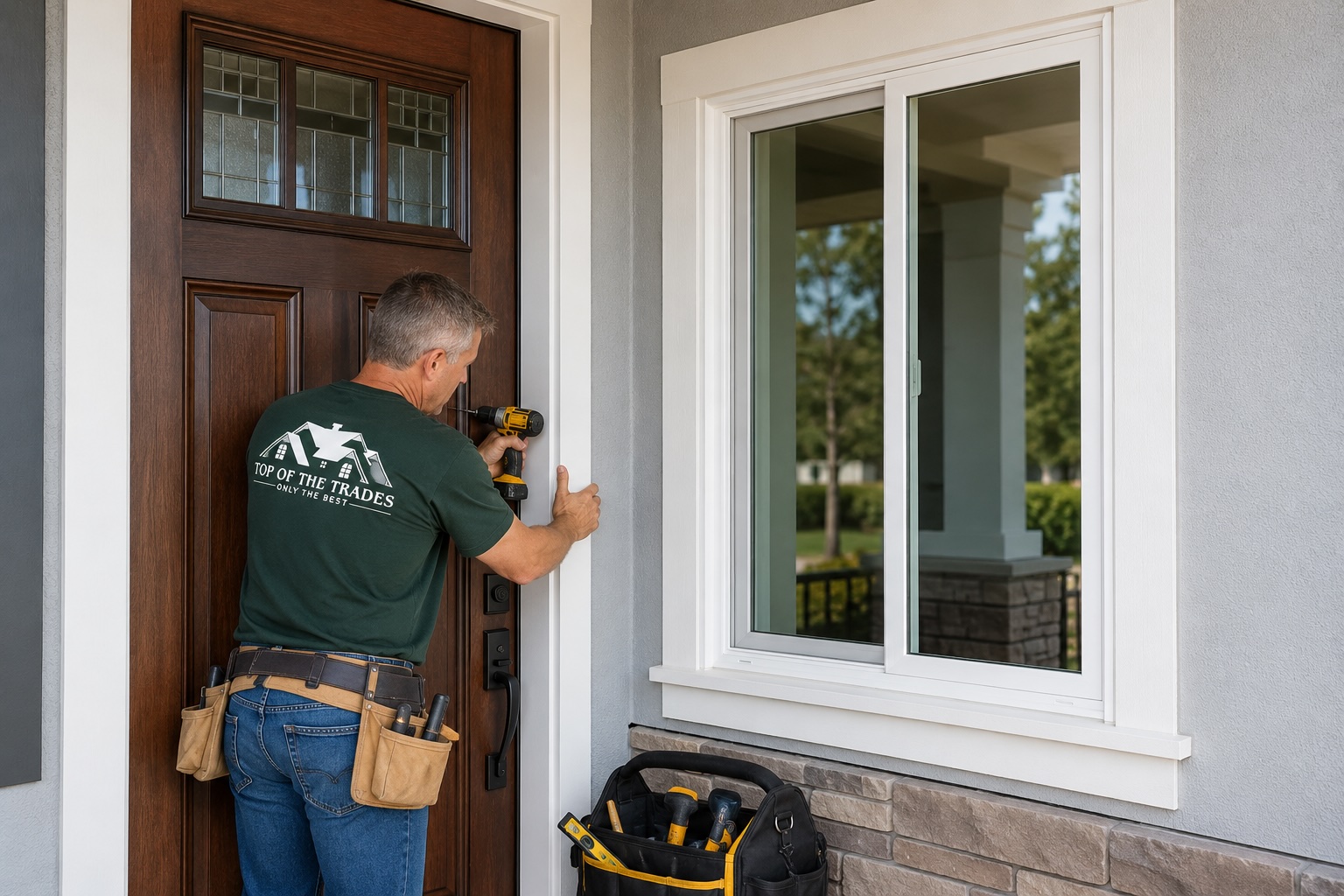
Homeowners often focus more on the door they are buying than on who will install it.
A beautiful, expensive entry door can still fail if it is installed incorrectly. On the other hand, a properly selected, mid-range door that is professionally installed can perform well for decades.
The product matters, but the installation is what makes the entire system work.
A Door Is More Than a Slab
When most homeowners shop for an entry door, they focus on the appearance of the slab:
-
The glass design
-
The wood species
-
The fiberglass texture
-
The color
-
The hardware
-
The overall style
Those are all important, but an entry door is actually a complete system.
That system includes:
-
The door slab
-
The frame
-
Hinges
-
Weatherstripping
-
Threshold
-
Door bottom
-
Lockset
-
Flashing
-
Sealants
-
Fasteners
-
Structural support around the opening
If any part of that system is poorly selected or improperly installed, the door may not operate or protect the home the way it should.
Why Entry Door Installation Is Difficult
Installing an entry door correctly is much more involved than simply removing one unit and placing another one into the opening.
The installer must evaluate:
-
Whether the opening is level, square, and plumb
-
Whether the floor has settled
-
Whether the walls have moved
-
Whether the existing framing has rot or termite damage
-
Whether the threshold height works with the flooring
-
Whether water drains away from the opening
-
Whether the new door will clear rooflines, awnings, and interior furniture
-
Whether the frame depth matches the wall
-
Whether the door swing is appropriate
-
Whether the lock and hardware will operate correctly
Older homes are rarely perfectly square. Even newer homes can have framing issues, settlement, or walls that are out of plumb.
A professional door installer must know how to compensate for those conditions without forcing the door into the opening or creating new problems.
The Best Door Can Still Leak
A premium entry door can still leak air or water if:
-
The frame is installed out of square
-
The threshold is not properly supported
-
The door bottom is poorly adjusted
-
The weatherstripping is not compressed evenly
-
The opening is not properly sealed
-
The exterior caulking is applied incorrectly
-
Water is allowed to collect against the threshold
-
The surrounding wall or roof has a separate leak
Sometimes a homeowner believes the door itself is defective when the real problem is the installation, drainage, house movement, or even another trade.
That is why proper diagnosis is so important.
Poor Installation Can Affect Security
Security is another major concern.
A strong door slab does not provide much protection if:
-
The frame is weak
-
The strike plate is attached only to the jamb
-
Short screws are used instead of reaching the framing
-
Hinges are not properly secured
-
The lock is installed incorrectly
-
The margins around the door are excessive
-
An outswing door does not have proper hinge protection
The strength of the complete installation is more important than the appearance of the door alone.
Off-the-Shelf Doors Often Create Problems
Another common mistake is buying a door before the opening has been properly evaluated.
Many doors sold at large home-improvement stores are built around common new-construction dimensions. Existing homes may have:
-
Different wall thicknesses
-
Unusual jamb depths
-
Nonstandard opening sizes
-
Existing flooring changes
-
Raised or lowered thresholds
-
Custom trim
-
Structural conditions that require modification
A standard door may appear to be the correct size, but making it fit can require extensive modifications to the opening or the unit.
In some cases, ordering or building a door specifically for the existing opening may actually cost less than modifying an off-the-shelf product after it has already been purchased.
Do-It-Yourself Installation Can Become Expensive
Many homeowners are capable of completing repairs and remodeling projects themselves. However, an entry door is not a forgiving place to learn through trial and error.
A mistake can result in:
-
Water damage
-
Air infiltration
-
Damaged flooring
-
Improper operation
-
Security concerns
-
Broken glass
-
Warranty problems
-
Expensive repairs to stucco, siding, drywall, or trim
Even experienced general contractors may not install enough entry doors to understand every specialized detail involved.
Door installation is its own trade, and experience matters.
The Installer Should Evaluate the Entire Situation
Before recommending a door, an experienced installer should look beyond the opening.
I typically consider:
-
Sun and rain exposure
-
Roof overhangs
-
Gutters and drainage
-
Patio height
-
Foundation movement
-
Existing cracks
-
Flooring plans
-
Security doors
-
Alarm systems
-
Hardware
-
Accessibility
-
Pets
-
Furniture clearance
-
Future maintenance
The right recommendation is not always the most expensive door. It is the door and installation method that best fit the home, the environment, and the homeowner’s priorities.
Ask Better Questions Before Hiring
Before choosing a contractor or installer, homeowners should ask:
-
How many entry doors have you installed?
-
Are you licensed and insured?
-
Who will actually perform the installation?
-
How will the opening be sealed?
-
How will the threshold be supported and adjusted?
-
Will you inspect for rot or structural damage?
-
What happens if the opening is not square?
-
Is painting or finishing included?
-
Who is responsible for hardware adjustment?
-
What installation warranty is provided?
The answers to those questions often reveal more than the price alone.
Final Thoughts
The biggest mistake homeowners make when replacing an entry door is assuming that buying a high-quality product guarantees a high-quality result.
It does not.
A door is only as good as:
-
The product selected
-
The condition of the opening
-
The installation method
-
The finishing
-
The adjustment
-
The ongoing maintenance
I would rather see a homeowner purchase a well-made, reasonably priced door and have it installed correctly than spend thousands more on a premium door that is installed poorly.
The best entry door is not simply the most attractive or most expensive one.
It is the one that is properly selected, professionally installed, correctly sealed, and adjusted to perform well in that particular home.
Louis’s Pro Tip
Never purchase an entry door based only on a showroom display or catalog photograph. Have the opening evaluated first. The size, wall thickness, exposure, flooring, drainage, and condition of the existing frame can all affect which product and installation method will work best.