Blog

  • Should You Replace All Your Windows at Once?

    Should You Replace All Your Windows at Once?

    A window replacement project can start with one obvious problem. A window may become difficult to open, another may develop moisture between the glass panes, while several others may still appear to function normally.
    That can leave homeowners with an important decision when replacement becomes necessary: should you replace only the windows that are causing problems, or replace all the windows in the home at once?
    The answer depends on much more than the age of the windows.
    The better question is whether replacing all of the windows together provides meaningful advantages based on their condition, performance, appearance, installation needs, and the homeowner’s long-term plans.
    For some homes, replacing every window at once can create a more consistent and efficient result. In other situations, replacing windows in carefully planned phases may be the more practical approach.
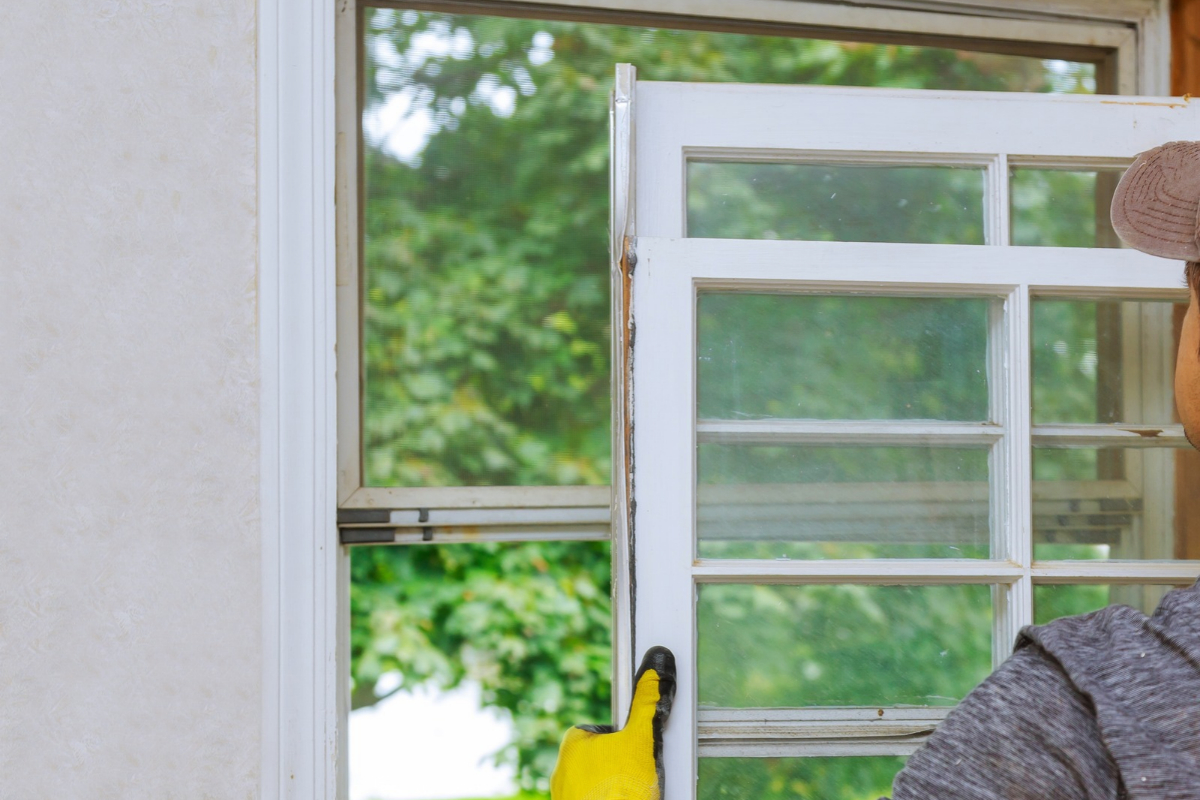
    replace all windows once

    Do You Have To Replace All Your Windows At Once?

    No.
    There is generally no requirement to replace every window in a home simply because one or two windows have developed problems.
    If several windows are still operating properly, sealing well, and meeting the homeowner’s needs, replacing only the deteriorated units may be reasonable.
    However, when most of the home’s windows are similar in age and beginning to show the same types of problems, replacing them together may prevent homeowners from repeating the same project several times over the next few years.
    The decision should be based on the condition of the complete window system throughout the home rather than assuming that either full replacement or partial replacement is always better.

    Consider The Age And Condition Of All The Windows

    Windows installed at the same time are often exposed to similar years of weather, temperature changes, opening and closing, and normal wear.
    That does not mean every window will deteriorate at the same rate.
    Windows on different sides of a home can experience very different conditions.
    For example:
    • West-facing windows may receive stronger afternoon sun
    • South-facing windows may experience significant solar exposure
    • Windows protected by patios or roof overhangs may age more slowly
    • Frequently opened windows may wear faster than fixed windows
    • Certain rooms may have more moisture exposure
    • Poorly installed windows may develop problems sooner than others
    Before deciding to replace every window, inspect each unit individually while also considering the overall age of the home’s window system.

    Several Windows Are Showing The Same Problems

    Replacing all the windows becomes more reasonable when problems are appearing throughout the house rather than being isolated to one opening.
    Common signs may include:
    • Drafts around several windows
    • Multiple windows that are difficult to open or close
    • Failed insulated glass seals
    • Fog or moisture between glass panes
    • Damaged or deteriorated frames
    • Loose locks or operating hardware
    • Noticeable heat near multiple windows
    • Water intrusion around several openings
    When these problems are occurring across many windows of similar age, replacing only one window may simply postpone the same decision for the rest of the home.

    Replacing All Windows Can Create A Consistent Appearance

    Windows affect the appearance of both the interior and exterior of a home.
    Replacing only a few units can sometimes result in noticeable differences between the new and existing windows.
    Differences may involve:
    • Frame color
    • Frame thickness
    • Glass appearance
    • Grid patterns
    • Hardware
    • Window style
    • Exterior trim
    This may not matter when the windows are located on different sides of the house.
    It may be more noticeable when old and new windows sit next to one another on the same elevation.
    Replacing windows together can make it easier to maintain a consistent design throughout the home.

    Matching Existing Windows Later May Be Difficult

    Home improvement products change over time.
    A window style, frame profile, color, grid pattern, hardware finish, or glass package available today may not be available several years from now.
    Manufacturers may discontinue products or update designs.
    This does not necessarily mean homeowners should replace good windows simply to avoid a future matching issue.
    However, homeowners planning a phased replacement should understand that obtaining an identical product later cannot always be guaranteed.
    This is especially important when architectural consistency is a major priority.

    Whole-Home Replacement Can Improve Overall Window Performance

    Replacing one inefficient window improves only that opening.
    If the rest of the house still has older windows with air leakage, outdated glass, worn weatherstripping, or deteriorating frames, those windows continue to influence comfort and performance.
    Replacing all older windows can provide a more consistent building envelope when the new products are properly selected and installed.
    Potential improvements may include:
    • Reduced air leakage around deteriorated windows
    • Improved insulating glass performance
    • Low-E glass where appropriate
    • More consistent operation
    • Improved weather sealing
    • More consistent indoor comfort near windows
    Windows are only one part of a home’s overall energy performance.
    Insulation, HVAC equipment, air sealing, roof conditions, sun exposure, shading, and homeowner habits also affect indoor comfort.

    Southern California Sun Exposure Matters

    Window performance can be particularly important in Southern California homes exposed to strong sunlight.
    West- and southwest-facing windows may receive significant afternoon sun, which can make certain rooms feel noticeably warmer.
    When multiple older windows allow substantial solar heat into the home, replacing only one window may produce a limited difference.
    A whole-home replacement project provides an opportunity to evaluate the glass package and window configuration throughout the house.
    However, every side of the home does not necessarily need exactly the same solution.
    Window selection should consider orientation, room use, shading, ventilation needs, and architectural design.
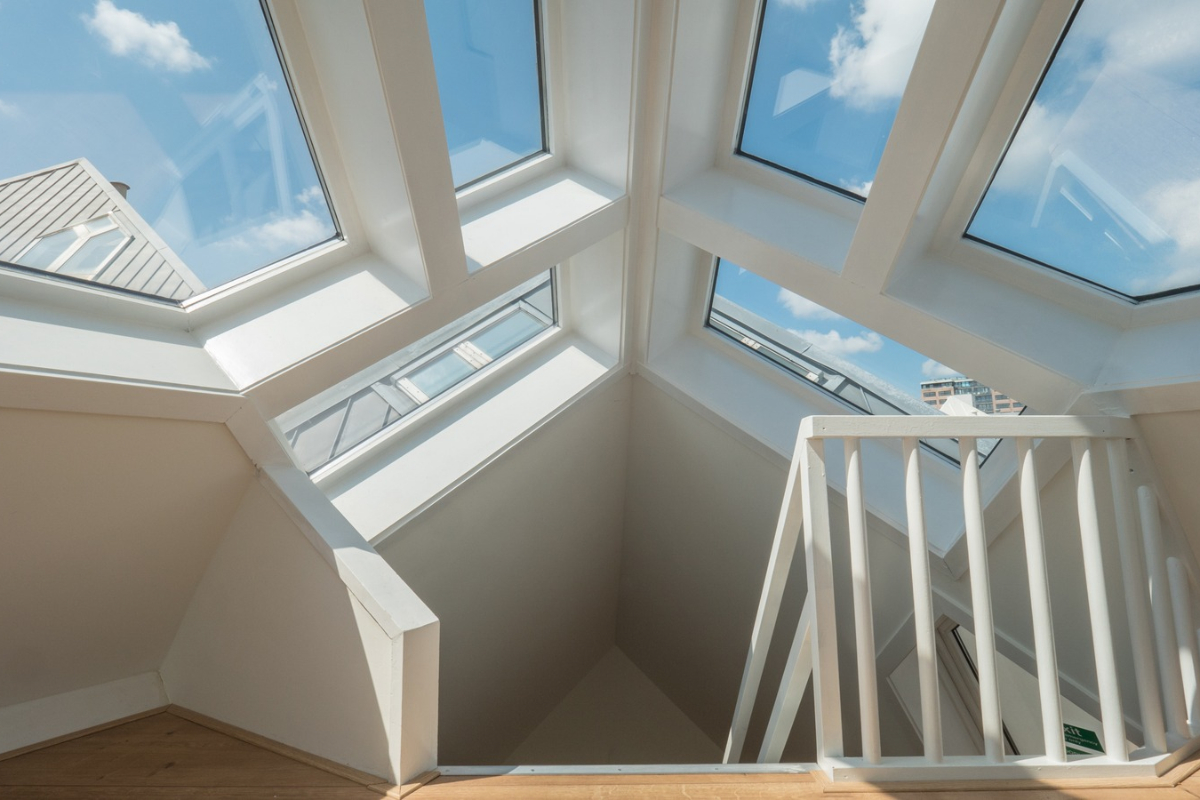
    replace all windows once

    You May Be Able To Replace Windows In Phases

    Homeowners who are not ready to replace every window at once can often divide the project into logical phases.
    A phased replacement can be organized by:
    • Floor
    • Side of the home
    • Room
    • Window condition
    • Sun exposure
    • Priority
    For example, homeowners might replace the most deteriorated west-facing windows first and complete the remaining windows later.
    Another homeowner may replace all front-facing windows together to maintain a consistent exterior appearance while postponing less visible windows at the rear of the home.
    A planned approach is generally better than randomly replacing individual windows without considering how the entire project will eventually fit together.

    Which Windows Should Be Replaced First?

    If the project needs to be divided into phases, prioritize windows based on condition and performance rather than simply choosing the easiest rooms.
    Windows that may deserve earlier attention include those with:
    • Water intrusion
    • Frame deterioration
    • Failed insulated glass
    • Serious air leakage
    • Broken locks
    • Operating problems
    • Safety concerns
    • Excessive heat gain
    A qualified installer can help identify which windows have actual performance problems and which ones may still have useful service life remaining.

    Foggy Windows Do Not Always Mean Every Window Needs Replacement

    Fog or moisture trapped between glass panes usually indicates that the seal in an insulated glass unit has failed.
    This problem may occur in one window before appearing anywhere else in the home.
    A single failed glass unit does not automatically mean every window needs replacement.
    Depending on the window system, it may sometimes be possible to replace the insulated glass unit while keeping the existing frame.
    Complete replacement becomes more reasonable when the failed glass is only one of several problems involving the frame, operation, locks, weatherstripping, and overall performance.

    Drafty Windows Should Be Evaluated Individually

    A draft does not automatically mean a window needs to be replaced.
    Air leakage may result from:
    • Worn weatherstripping
    • Poor adjustment
    • Failed perimeter sealant
    • Improper installation
    • Frame deterioration
    • An older window design
    If only one window has a repairable sealing problem, replacing the entire house would usually be unnecessary.
    If many windows have recurring air leaks because the complete system is aging, whole-home replacement may deserve consideration.

    Windows That Are Hard To Open May Be Repairable

    A window should open and close without requiring excessive force.
    Difficulty operating a window can result from worn hardware, dirt, damaged balances, frame movement, swelling, poor adjustment, or deterioration.
    Some of these conditions can be repaired.
    When many windows throughout the home are difficult to operate and the units are already aging, replacement may provide a more practical long-term solution than repairing individual components one at a time.

    Consider Whether You Want To Change Window Styles

    Replacing windows gives homeowners an opportunity to reconsider how each opening functions.
    You do not necessarily have to replace every old window with exactly the same style.
    Depending on the opening and architectural requirements, homeowners may consider options such as:
    • Single-hung windows
    • Double-hung windows
    • Casement windows
    • Sliding windows
    • Awning windows
    • Picture windows
    • Bay windows
    The appropriate style depends on ventilation, available space, view, architectural appearance, operation, and homeowner preference.
    Top Of The Trades installs replacement windows for homeowners throughout Upland, Rancho Cucamonga, Ontario, Claremont, and surrounding Southern California communities.

    Replacing Several Windows Together Can Simplify Installation

    A whole-home window project allows measurements, ordering, preparation, installation, adjustment, cleanup, and final inspection to be coordinated as one larger project.
    Replacing windows individually over many years means repeating portions of that process each time another window reaches the end of its useful life.
    This does not make whole-home replacement automatically better.
    It simply means homeowners should consider the practical difference between completing the project once and scheduling several smaller projects.

    Installation Quality Matters More Than The Number Of Windows

    Replacing every window at once does not provide an advantage if the installation is poor.
    A replacement window must be properly measured, positioned, supported, sealed, adjusted, and integrated with the existing opening.
    The installer should also inspect surrounding conditions rather than treating the project as simply removing one window and inserting another.
    Important considerations can include:
    • Opening dimensions
    • Whether the opening is square
    • Frame condition
    • Exterior stucco or siding
    • Water drainage
    • Existing damage
    • Interior trim
    • Proper perimeter sealing
    Even a high-quality replacement window can perform poorly when installed into an improperly prepared or poorly sealed opening.
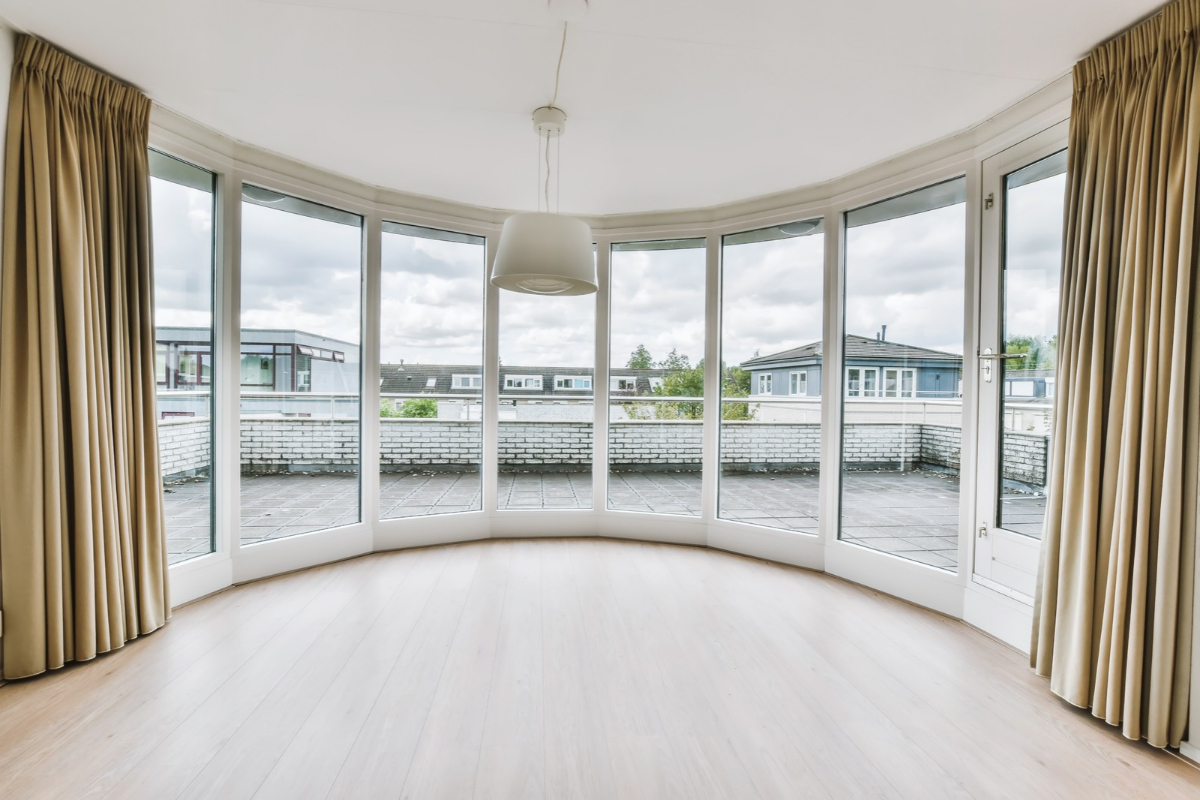
    replace all windows once

    Should You Replace Good Windows Just Because Other Windows Are Failing?

    Not necessarily.
    A window that operates correctly, seals properly, has intact glass, and continues to meet the homeowner’s needs may not need replacement simply because another part of the house has failing windows.
    This is especially true when the home’s windows were installed at different times.
    For example, a previous homeowner may have replaced the front windows ten years after the rear windows were installed.
    In that situation, the two groups of windows should not automatically be treated as if they are the same age or condition.
    Evaluate what is actually installed before deciding on the scope of the project.

    Should You Replace Windows Before Remodeling?

    The timing of window replacement can matter when homeowners are planning a larger renovation.
    Projects involving exterior finishes, interior trim, kitchens, bathrooms, flooring, stucco, siding, or major room changes may affect or be affected by window replacement.
    Coordinating projects can sometimes prevent finished surfaces from being disturbed unnecessarily later.
    Homeowners planning significant remodeling should discuss the project sequence with their contractors before ordering windows.

    Should You Replace All Windows Before Selling A Home?

    There is no universal rule that every older window must be replaced before a home is sold.
    The decision depends on their condition and the homeowner’s plans.
    Windows with obvious problems such as failed glass, visible deterioration, broken locks, water intrusion, or severe operating problems may attract attention during a sale or inspection.
    Windows that remain functional and in acceptable condition may not justify complete replacement solely because of their age.
    The decision should be evaluated as part of the overall condition of the property rather than assuming that every improvement will produce the same return.

    Whole-Home Replacement Is Not Always The Right Answer

    Replacing all windows may make sense when:
    • Most windows are similar in age
    • Problems are appearing throughout the home
    • You want consistent appearance and operation
    • Many windows have failed seals or damaged frames
    • The existing windows no longer provide the desired comfort or performance
    • You plan to remain in the home long enough to benefit from the improvement
    Partial replacement may make more sense when:
    • Only a few windows have problems
    • Other windows were replaced more recently
    • The remaining windows are operating and sealing properly
    • The project can be divided into logical phases
    • Certain windows have substantially more sun or weather exposure than others
    The correct scope should be based on the actual condition of the home rather than a predetermined rule.

    Have The Entire Home Evaluated Before Deciding

    If you are considering replacing several windows, it can be helpful to evaluate all of the existing windows before ordering anything.
    An experienced window installer should look at:
    • Window operation
    • Glass condition
    • Frame condition
    • Weatherstripping
    • Exterior sealing
    • Signs of water intrusion
    • Sun exposure
    • Existing window styles
    • Ventilation needs
    • Homeowner priorities
    This allows the windows to be divided into three practical groups: windows that should be replaced now, windows that may need replacement in the near future, and windows that remain in acceptable condition.
    That information can make it much easier to decide whether a whole-home project or phased replacement makes more sense.

    Professional Window Installation Matters

    The long-term performance of replacement windows depends on both the product and the installation.
    The installer must correctly measure the opening, determine the appropriate replacement method, prepare the surrounding area, position the window square and level, properly seal the perimeter, adjust the operating components, and inspect the completed installation.
    Top Of The Trades provides professional window, patio door, entry door, and gutter installation for Southern California homeowners.
    Homeowners considering a whole-home window replacement should evaluate the installer as carefully as they evaluate the window itself.

    Final Thoughts

    You do not have to replace all of your windows at once simply because several windows are aging.
    When only one or two windows have isolated problems and the remaining units continue to operate, seal, and perform properly, replacing only the affected windows may be reasonable.
    Whole-home replacement becomes more practical when windows throughout the house are similar in age and beginning to develop failed seals, drafts, operating problems, deterioration, or performance issues at approximately the same time.
    The decision should also consider appearance, product matching, future remodeling plans, sun exposure, and whether you prefer to complete the project at once or in carefully planned phases.
    The best approach starts with inspecting all of the windows rather than deciding how many to replace before understanding their actual condition.

    Window Replacement With Top Of The Trades

    Top Of The Trades provides professional replacement window installation for homeowners in Upland, Rancho Cucamonga, Ontario, Claremont, and surrounding Southern California communities.
    Whether you have one failing window, several aging windows, or are considering replacing the windows throughout your home, the first step should be evaluating each opening and determining which windows actually need attention.
    Call (800) 868-6130 or text (657) 280-9609 to request a free estimate.

    Frequently Asked Questions

    1. Should You Replace All Your Windows At Once?

    Not necessarily. Replacing all windows at once may make sense when most of the windows are similar in age and showing signs of deterioration or poor performance. If only a few windows have problems and the others remain in good condition, partial replacement may be appropriate.

    2. Is It Okay To Replace Windows One At A Time?

    Yes. Windows can often be replaced individually. Homeowners planning to replace windows over several years should consider whether matching frame styles, colors, grids, hardware, and other product features will remain available later.

    3. Which Windows Should I Replace First?

    Prioritize windows with water intrusion, deteriorated frames, failed glass seals, serious drafts, broken locks, operating problems, or other conditions affecting performance or safety.

    4. Should I Replace A Window That Has Moisture Between The Glass?

    Moisture between panes typically indicates a failed insulated glass seal. Depending on the window, the glass unit may sometimes be replaced without replacing the entire frame. Complete replacement may make more sense when other parts of the window are also deteriorating.

    5. Should I Replace Drafty Windows?

    Not automatically. Drafts may result from worn weatherstripping, failed sealant, poor adjustment, improper installation, or deterioration. The cause should be identified before deciding whether replacement is necessary.

    6. Can I Replace Half My Windows Now And The Rest Later?

    Yes. A phased replacement can be organized by room, floor, side of the home, condition, or priority. Planning the phases in advance can help maintain a more consistent appearance and product selection.

    7. Will New Windows Make My Home Cooler?

    Properly selected replacement windows can help reduce heat transfer compared with some older windows, particularly when appropriate insulated glass and Low-E coatings are used. Overall comfort also depends on insulation, HVAC performance, shading, orientation, and other factors.

    8. Do All Replacement Windows Need To Be The Same Style?

    No. Different window styles can be used according to the function of each room and opening. Homeowners may combine sliding, casement, hung, picture, awning, or other window styles while maintaining a coordinated overall design.

    9. How Do I Know Which Windows Still Have Useful Life Left?

    Evaluate whether each window opens and closes properly, locks securely, remains free of failed glass seals, shows no significant frame deterioration, and continues to seal effectively against air and water. A professional inspection can help identify which windows need immediate replacement and which may remain serviceable.

    10. Who Installs Replacement Windows In Upland And Rancho Cucamonga?

    Top Of The Trades provides professional replacement window installation for homeowners in Upland, Rancho Cucamonga, Ontario, Claremont, and surrounding Southern California communities. Call (800) 868-6130 to discuss your windows or request a free estimate.
    Louis’s Pro Tip
    Before deciding to replace every window in your home, walk through each room and test every window individually. Open it, close it, lock it, inspect the glass, look around the frame for deterioration or water staining, and check whether you feel air movement around the perimeter. Then compare the windows as a group. If problems are appearing throughout the house, replacing them together may make sense. If only a few windows are failing, a carefully planned phased replacement may be the better approach.
  • When Should You Replace a Patio Door?

    When Should You Replace a Patio Door?

    A patio door is easy to ignore when it still opens and closes, but that does not always mean it is performing the way it should.
    Older sliding and French patio doors can gradually develop problems with operation, air leakage, water intrusion, glass seals, locks, rollers, tracks, frames, and overall energy performance. Because these changes often happen slowly, homeowners may adapt to a door that has become increasingly difficult to use without realizing how much the system has deteriorated.
    The important question is not simply how old the patio door is.
    The better question is whether the complete door system is still operating, sealing, draining, and securing the home properly.
    Some problems can be repaired. Others are signs that replacing the patio door may make more sense than continuing to repair an aging system.

    Your Patio Door Is Becoming Difficult To Open

    A sliding patio door should move smoothly along its track without requiring excessive force.
    If you regularly have to pull, lift, push, or shake the door to get it moving, something is no longer working correctly.
    Common causes include:
    • Worn rollers
    • Damaged roller assemblies
    • A bent or worn track
    • Debris in the track
    • A door that has fallen out of adjustment
    • Frame movement
    • An opening that is no longer square
    A roller adjustment or repair may solve a relatively minor problem.
    However, when the door has been repeatedly adjusted, the track is badly worn, the frame is deteriorating, or several components are failing at the same time, replacement may be the more practical long-term solution.

    The Door No Longer Closes Or Locks Correctly

    A patio door that does not close properly is more than an inconvenience.
    It can affect security, weather protection, and energy efficiency.
    Signs of a closing problem may include:
    • The latch no longer lines up with the strike
    • The door must be lifted before it will lock
    • The panel does not sit evenly in the frame
    • There is visible daylight around the door
    • The lock feels loose or unreliable
    • The door moves after it has been locked
    Sometimes the solution is an adjustment, replacement lock, or roller repair.
    If the frame itself has shifted, deteriorated, or become distorted, simply replacing the lock may not correct the real problem.

    You Can Feel Air Coming Through The Door

    One of the clearest signs of an aging patio door is noticeable air leakage.
    Stand near the closed door on a windy day. If you can feel air moving around the meeting rail, frame, bottom track, or perimeter, the door may no longer be sealing properly.
    Air leakage may result from worn weatherstripping, poor adjustment, damaged seals, frame movement, or an older door design that does not perform as well as newer systems.
    Weatherstripping can often be replaced, so a draft does not automatically mean that the entire patio door needs to be removed.
    However, when the door has multiple air leaks, worn components, damaged framing, and outdated glass, replacement may provide a more complete solution than repairing one problem at a time.

    There Is Fog Or Moisture Between The Glass Panes

    Condensation on the room-side surface of glass is different from moisture trapped between the panes.
    If a dual-pane patio door becomes cloudy, hazy, or visibly wet between the glass layers, the insulated glass seal has likely failed.
    Once moisture enters the sealed glass unit, wiping the inside or outside surface will not remove it.
    In some situations, the insulated glass unit can be replaced without replacing the entire patio door.
    That may make sense when:
    • The frame is still in excellent condition
    • The rollers and track operate properly
    • The locking system works correctly
    • The door is otherwise relatively modern
    If the failed glass is only one of several problems with an older system, investing in a complete replacement may make more sense.

    Water Is Getting Around Or Under The Patio Door

    Water around a patio door should never be ignored.
    The source needs to be identified before deciding whether the door itself is responsible.
    Possible causes include:
    • Failed exterior sealant
    • Improper flashing
    • A damaged threshold or sill
    • Clogged drainage paths
    • Improper patio slope
    • Sprinkler exposure
    • Roof or gutter runoff
    • Improper original installation
    Replacing a patio door without identifying where the water is coming from can leave the homeowner with the same problem after the new door is installed.
    A qualified installer should evaluate the entire opening, not simply assume that every leak means the door needs replacement.
    when should replace patio door

    The Frame Has Rot Or Water Damage

    Wood deterioration around a patio door is a more serious warning sign.
    Look closely at the bottom corners of the frame, threshold area, exterior trim, and surrounding wall.
    Signs of moisture-related deterioration may include:
    • Soft wood
    • Peeling paint
    • Swollen trim
    • Discoloration
    • Cracking
    • Visible rot
    • Repeated caulking repairs
    Minor deterioration may sometimes be repaired.
    More extensive damage can require removal of the existing patio door so the opening can be properly inspected and repaired before a new unit is installed.

    The Track Is Damaged Or Badly Worn

    The track is one of the most important parts of a sliding patio door.
    Rollers need a relatively smooth, straight surface in order to move properly.
    Years of use can wear the track down. Heavy doors, failed rollers, dirt, corrosion, and repeated dragging can also damage the running surface.
    A minor track problem may sometimes be repaired.
    When the track has become severely worn, bent, broken, or damaged as part of an older frame, complete patio door replacement may be more reliable than continuing to repair the operating components.

    The Glass No Longer Meets Your Needs

    A patio door can still operate while no longer providing the comfort or performance the homeowner wants.
    Older patio doors may have glass that allows more heat transfer than newer energy-efficient systems.
    In Southern California, this can become particularly noticeable when a large patio door receives strong afternoon sun.
    Homeowners may consider replacement because they want:
    • Improved insulating performance
    • Low-E glass
    • Better solar heat control
    • Reduced drafts
    • Improved comfort near the glass
    • Updated safety glass
    The glass area in a patio door can be substantial, so the performance of the glass can influence how comfortable the surrounding room feels.

    The Door Lets In Too Much Heat

    Patio doors facing west or southwest can receive intense afternoon sun in Upland, Rancho Cucamonga, Ontario, and surrounding Southern California communities.
    If the room next to the patio door becomes noticeably hotter during the afternoon, the glass and overall door system may be contributing to the heat gain.
    That does not mean every warm room needs a new patio door. Roof insulation, window exposure, shading, HVAC performance, and other factors also matter.
    However, replacing an older patio door with a properly selected energy-efficient system can be part of improving comfort in a heavily exposed room.

    The Door Has Become A Security Concern

    A patio door should close securely and provide confidence that the locking system is working as designed.
    Older sliding doors may have worn latches, damaged keepers, loose handles, deteriorated frames, or panels that no longer align correctly.
    Security is not determined by the lock alone.
    The complete system matters, including:
    • The door frame
    • Panel alignment
    • Locking hardware
    • Glass
    • Fasteners
    • Installation quality
    If the door no longer closes firmly or the locking components cannot be made reliable through normal repair, replacement should be considered.

    You Are Constantly Repairing The Same Door

    One repair does not usually justify replacing an entire patio door.
    Repeated repairs are different.
    If you have already replaced rollers, adjusted the door several times, repaired locks, replaced weatherstripping, addressed leaks, and still have problems, the total cost and inconvenience of continuing repairs should be considered.
    At some point, replacing the entire system can be more practical than keeping an aging door alive one component at a time.
    The decision should consider the condition of the complete unit rather than any one repair bill.

    The Patio Door No Longer Fits The Way You Use The Home

    Not every patio door replacement begins with a broken door.
    Sometimes the existing door simply does not fit the way the homeowner wants to use the space.
    A homeowner may want:
    • A wider opening
    • More glass and natural light
    • A different operating configuration
    • French doors instead of a slider
    • A sliding door instead of swinging doors
    • A more contemporary appearance
    • Improved access to a patio or backyard
    A properly planned patio door replacement can change both the appearance and function of the room.
    when should replace patio door

    Should You Repair Or Replace The Patio Door?

    Repair often makes sense when the patio door is structurally sound and the problem is limited to one serviceable component.

    Repair May Make Sense When:

    • The rollers need adjustment or replacement
    • The weatherstripping is worn
    • The lock or handle needs replacement
    • The track needs minor repair
    • Only the insulated glass unit has failed
    • The frame is still straight and structurally sound

    Replacement May Make More Sense When:

    • Several components are failing
    • The frame is damaged or deteriorated
    • The door repeatedly falls out of adjustment
    • Water intrusion has damaged the opening
    • The door no longer locks reliably
    • The glass, frame, rollers, and seals are all aging
    • You want significantly better energy performance
    • You want to change the style or configuration
    A knowledgeable contractor should explain both options when repair is realistic rather than automatically recommending replacement.

    Do Not Judge A Patio Door Only By Its Age

    There is no single age at which every patio door must be replaced.
    Two doors installed in the same year can age very differently.
    Performance depends on factors such as:
    • Installation quality
    • Product quality
    • Sun exposure
    • Rain exposure
    • How frequently the door is used
    • Maintenance
    • Drainage around the opening
    • Movement in the home
    A heavily used patio door exposed to direct afternoon sun and weather may develop problems much sooner than a protected door under a deep patio cover.
    Condition matters more than the calendar.

    The Opening Should Be Inspected Before Ordering A New Door

    Replacing a patio door begins with more than measuring the width and height.
    An experienced installer should evaluate:
    • Whether the opening is square and level
    • The condition of the existing frame
    • Floor and patio height
    • Water drainage
    • Exterior stucco or siding
    • Interior flooring
    • Sun exposure
    • Existing damage
    • The desired operating direction
    A new patio door can only perform as well as the opening and installation allow.
    Installing an expensive door into a poorly prepared or improperly sealed opening can create many of the same problems the homeowner was trying to eliminate.

    Sliding Patio Door Or French Doors?

    Replacement also gives homeowners an opportunity to reconsider the style of the opening.
    Top Of The Trades offers patio door options including sliding and French-style doors for Southern California homeowners. The company serves Upland, Rancho Cucamonga, Ontario, Claremont, and surrounding communities.

    Sliding Patio Doors

    A sliding door does not require floor space for the panel to swing. This can make it practical where furniture, patios, or interior layouts limit clearance.
    Sliding doors can also provide a large glass area and a relatively clean, contemporary appearance.

    French Patio Doors

    French doors can provide a more traditional architectural appearance and may work particularly well with certain home styles.
    Because the doors swing, available interior or exterior clearance becomes important.
    Neither style is automatically better. The right choice depends on the opening, available space, architectural design, desired ventilation, traffic pattern, and homeowner preference.

    Professional Installation Matters As Much As The Door

    A quality patio door can still perform poorly if the installation is wrong.
    The installer must properly measure and prepare the opening, set the frame square and level, support the sill, seal the perimeter, adjust the panels, confirm the locking system, and account for exterior drainage and weather exposure.
    Top Of The Trades specializes in professional installation of patio doors, entry doors, windows, and other home improvement products.
    The product and the installation should be evaluated together rather than treating them as separate decisions.

    Final Thoughts

    You do not need to replace a patio door simply because it has reached a certain age.
    Replacement becomes more reasonable when the door has several significant problems, including difficult operation, failed seals, air leakage, water damage, unreliable locks, damaged framing, worn tracks, or repeated repair needs.
    A patio door that has one isolated problem may still have many years of useful service left after a proper repair.
    The best decision comes from evaluating the entire door system.
    Look at how it operates, how it seals, how it drains, how securely it locks, how the frame has held up, and whether the glass still provides the comfort and performance you want.
    If several of those areas are failing at once, replacement may be a better investment than continuing to repair the same aging system.

    Patio Door Replacement With Top Of The Trades

    Top Of The Trades provides professional patio door, entry door, window, and gutter installation for homeowners in Upland, Rancho Cucamonga, Ontario, Claremont, and surrounding Southern California communities.
    Whether your existing patio door is difficult to operate, allowing drafts, showing signs of water damage, or simply no longer fits the design of your home, the first step should be evaluating the complete opening before choosing a replacement.
    Call (800) 868-6130 or text (657) 280-9609 to request a free estimate.

    Frequently Asked Questions

    1. How Do I Know When My Patio Door Needs To Be Replaced?

    Replacement may be worth considering when the door has several problems at the same time, such as difficult operation, drafts, failed glass seals, water intrusion, frame deterioration, damaged tracks, or an unreliable locking system. A single isolated problem may still be repairable.

    2. Should I Replace A Patio Door That Is Hard To Open?

    Not automatically. Worn rollers, track debris, or adjustment problems may sometimes be repaired. Replacement becomes more reasonable when the track or frame is badly damaged or the door continues to operate poorly after repeated repairs.

    3. Can Foggy Patio Door Glass Be Repaired?

    In some systems, a failed insulated glass unit can be replaced while keeping the existing frame. Whether that makes sense depends on the age and overall condition of the patio door.

    4. Should I Replace A Patio Door If I Feel A Draft?

    Worn weatherstripping or adjustment problems can sometimes cause drafts and may be repairable. If an older door has multiple air leaks, failed seals, worn components, and outdated glass, replacement may provide a more complete solution.

    5. Why Is Water Coming In Around My Patio Door?

    Water can enter because of failed sealant, drainage problems, damaged flashing, frame deterioration, improper patio slope, sprinkler exposure, or installation problems. The source should be identified before deciding whether the door needs replacement.

    6. Is It Better To Repair Or Replace A Sliding Patio Door?

    Repair is often appropriate when the frame and door are structurally sound and only rollers, locks, weatherstripping, or another serviceable component needs attention. Replacement may make more sense when several major components are deteriorating at the same time.

    7. Can A New Patio Door Help Keep My Home Cooler?

    A properly selected energy-efficient patio door can help reduce heat transfer compared with some older systems, particularly when modern insulating glass and Low-E coatings are used. Overall room comfort also depends on sun exposure, insulation, HVAC performance, and shading.

    8. Can I Replace A Sliding Door With French Doors?

    In many openings, converting from a sliding patio door to French doors may be possible. The opening dimensions, framing, threshold, flooring, swing clearance, exterior conditions, and installation requirements should be evaluated before ordering the new doors.

    9. Does A New Patio Door Require A New Frame?

    That depends on the replacement method and condition of the existing system. If the frame is damaged, deteriorated, poorly installed, or incompatible with the new door, removing and replacing the complete unit may be the better approach.
    10. Who Installs Patio Doors In Upland And Rancho Cucamonga?

    Top Of The Trades provides patio door installation for homeowners in Upland, Rancho Cucamonga, Ontario, Claremont, and surrounding Southern California communities. Homeowners can call (800) 868-6130 to discuss patio door options or request an estimate.
    Louis’s Pro Tip
    Before deciding to replace a patio door, operate it several times and inspect the entire opening from both inside and outside. Look at the rollers, track, frame, glass, lock, weatherstripping, exterior sealant, patio height, and drainage. The real problem is often easier to understand when you evaluate the complete system instead of focusing only on the part that is currently bothering you.
  • Should You Buy a Wood or Fiberglass Entry Door?

    Should You Buy a Wood or Fiberglass Entry Door?

    Should You Buy a Wood or Fiberglass Entry Door?

    Homeowners often ask whether fiberglass is better than wood for an entry door.
    The honest answer is:
    Not always.
    Fiberglass and wood can both be excellent choices. The right material depends on the home, the exposure, the desired appearance, the available sizes and styles, the budget, and how much maintenance the homeowner is willing to perform.
    There is no single material that is best for every opening.

    Fiberglass Is Generally More Stable

    Fiberglass usually has an advantage when it comes to dimensional stability.
    Compared with wood, fiberglass is generally less likely to:
    • Warp
    • Split
    • Swell
    • Shrink
    • Crack from changing weather conditions
    That makes fiberglass a strong option for doors that receive heavy sun, rain, or changing temperatures.
    In Southern California, direct afternoon sun can be extremely hard on an entry door. A fiberglass door will usually tolerate that exposure better than an improperly protected or poorly maintained wood door.
    However, fiberglass should not be described as maintenance-free.

    Fiberglass Doors Still Require Maintenance

    Many homeowners are told that fiberglass doors never need maintenance. That is not accurate.
    The door slab may resist moisture and movement better than wood, but the unit still includes:
    • A frame
    • Weatherstripping
    • Threshold
    • Door bottom
    • Hardware
    • Exterior sealants
    • Paint or stain
    Many fiberglass doors are installed in wood frames. The fiberglass slab may remain in good condition while the bottom of the wood jamb begins to deteriorate from moisture.
    Composite or vinyl jamb options can reduce the risk of rot, although every material has its own advantages and tradeoffs.
    The finish on a fiberglass door can also fade, peel, or deteriorate over time, especially when the door receives strong sunlight.
    Factory finishes can be attractive and durable, but they do not last forever.

    Wood Has a Beauty Fiberglass Cannot Fully Duplicate

    Fiberglass manufacturers have become very good at producing realistic woodgrain textures.
    High-quality fiberglass doors can look extremely convincing, especially from a distance. However, real wood still has natural characteristics that are difficult to reproduce.
    Wood contains:
    • Natural grain variation
    • Color differences
    • Knots and mineral streaks
    • Changes in texture
    • Unique patterns in every door
    Some people call those characteristics imperfections. Others believe they are exactly what makes a wood door beautiful.
    A real wood door has warmth and individuality that fiberglass can imitate but cannot completely duplicate.

    Wood Offers More Customization

    Wood is often the better option when a homeowner wants:
    • A custom size
    • A unique architectural style
    • Special carvings or profiles
    • Unusual glass configurations
    • Historical authenticity
    • A specific wood species
    • A highly customized finish
    Historic homes are an important example.
    Many historical neighborhoods and architectural review boards will not accept a modern fiberglass door as an appropriate replacement. They may require real wood to preserve the home’s original character.
    Wood can also be easier to modify or customize when the opening is an unusual size.

    Wood Doors Can Last for Generations

    After more than four decades in the trade, I still see wood doors that are older than I am and remain in very good condition.
    The difference is usually protection and maintenance.
    A wood door can last for decades when it has:
    • A substantial roof overhang
    • Limited direct sun
    • Protection from rain
    • Proper sealing
    • Regular refinishing
    • Good drainage around the threshold
    • Properly maintained caulking and weatherstripping
    Wood does not automatically fail.
    It fails when it receives more exposure than the finish and maintenance can handle.

    Exposure Should Influence the Decision

    Before choosing between fiberglass and wood, look carefully at the door’s location.
    Consider:
    • Does it receive direct afternoon sun?
    • Is there a porch or overhang?
    • Can rain strike the door?
    • Does roof water splash near the threshold?
    • Is the door close to sprinklers?
    • Does water collect outside the opening?
    • Is the home near the coast?
    • Is the homeowner willing to refinish the door periodically?
    A protected wood door may last an extremely long time.
    A wood door with no protection from strong sun and rain may require frequent maintenance and can deteriorate prematurely.
    For a heavily exposed opening, fiberglass is often the more practical choice.

    Smooth Fiberglass vs. Woodgrain Fiberglass

    Fiberglass doors are generally available with either a smooth surface or a molded woodgrain texture.
    Smooth fiberglass is designed primarily for paint. It can provide a clean appearance, but slight differences in the surface may become visible after painting, especially around glass frames and molded components.
    Woodgrain fiberglass often looks richer even when it is painted. The texture can help disguise minor surface variations and provide more visual depth.
    For homeowners who want a stained appearance, woodgrain fiberglass is normally the appropriate choice.
    The cost difference between smooth and woodgrain fiberglass may be relatively small compared with the total installed price, so homeowners who care about appearance should compare both in person before deciding.

    Wood Species Affect Appearance and Performance

    Popular exterior wood-door species include:
    • Douglas fir
    • Mahogany
    • Alder
    • Oak
    • Walnut
    • Teak
    • Poplar for certain paint-grade applications
    Each species has a different grain, density, color, and response to finishing.
    Some woods show more grain through paint. Others may feel slightly rougher because portions of the grain rise during finishing.
    A painted wood door should not necessarily be expected to look or feel exactly like the surface of a car. Wood is a natural material, and its grain and joints will remain part of its appearance.

    Avoid Excessively Heavy Paint Films

    A very thick paint coating is not always better.
    Wood doors naturally expand and contract as temperature and moisture change. If the coating is applied too heavily, cracks can begin appearing where the panels, rails, and stiles meet.
    Those cracks do not always mean the door is defective. They may result from normal movement beneath a finish that is too rigid or too thick.
    A quality finish should protect the door while still accommodating normal movement.

    Factory Finish vs. Professional Pre-Finishing

    A factory finish can offer controlled application and consistent production. However, factory colors are limited and may not match the homeowner’s desired color or surrounding finishes.
    A qualified finishing company can paint or stain the door before installation and often provide more custom options, including:
    • Special colors
    • Split finishes
    • Different interior and exterior colors
    • Custom stain matching
    Whether the finish is applied by the manufacturer or a professional finishing shop, the important issue is that the door is properly sealed on all required surfaces.
    For wood doors in particular, the top and bottom edges must be sealed. Those hidden surfaces are often neglected, but they are highly vulnerable to moisture absorption.
    The lock bores and other exposed wood surfaces should also be protected.

    What About Energy Efficiency?

    Fiberglass doors often provide strong insulating performance because many are built with insulated cores.
    However, the overall energy performance of the entry system depends on much more than the slab.
    Important factors include:
    • Glass size and type
    • Weatherstripping
    • Door-bottom adjustment
    • Threshold adjustment
    • Frame installation
    • Air sealing around the opening
    • Whether the door remains properly aligned
    A poorly installed fiberglass door can leak more air than a properly installed wood door.
    What About Security?
    Both wood and fiberglass entry doors can provide good security when they are part of a properly designed and installed system.
    Security depends heavily on:
    • Frame strength
    • Lock quality
    • Strike reinforcement
    • Hinge attachment
    • Fastener length
    • Glass placement
    • Installation quality
    The slab material alone does not determine whether the opening is secure.
    Which One Would I Choose?
    For my own home, I would make the decision based primarily on exposure.
    If the opening received constant direct sun and rain, I would probably choose fiberglass. It would generally provide better stability and require less maintenance than wood in that environment.
    If the opening had a deep porch or substantial protection, I would strongly consider a real wood door.
    I love wood doors.
    There is something about the natural grain, character, and variation that makes each one unique. When a wood door is appropriate for the home and the homeowner understands the maintenance, it can be worth the additional care.
    Final Thoughts
    Fiberglass is not always better than wood, and wood is not always better than fiberglass.
    Fiberglass is generally:
    • More stable
    • Lower maintenance
    • Better suited for harsh exposure
    • More energy efficient in many configurations
    • Available at a wide range of prices
    Wood is generally:
    • More authentic
    • More customizable
    • Better suited for historic architecture
    • Available in more unique species and designs
    • Capable of lasting for generations when protected and maintained
    The best choice depends on the opening, the architecture, the environment, and the homeowner’s priorities.
    A knowledgeable contractor should not simply tell every homeowner to buy the same material. The contractor should evaluate the home, explain the tradeoffs, and help the homeowner select the door that makes the most sense for that particular situation.
    Louis’s Pro Tip
    Before choosing a door material, stand outside the opening during the hottest and wettest parts of the year. The amount of direct sun, rain, splash back, and protection from the roof will often tell you more about the right material than a catalog or showroom display.
  • The Biggest Mistake Homeowners Make When Replacing an Entry Door

    The Biggest Mistake Homeowners Make When Replacing an Entry Door

    The Biggest Mistake Homeowners Make When Replacing an Entry Door

    After more than 40 years in the door and window industry, I have seen almost every type of entry door problem imaginable. I have personally installed tens of thousands of doors, including interior and exterior units, and one mistake stands out more than almost any other:
    Homeowners often focus more on the door they are buying than on who will install it.
    A beautiful, expensive entry door can still fail if it is installed incorrectly. On the other hand, a properly selected, mid-range door that is professionally installed can perform well for decades.
    The product matters, but the installation is what makes the entire system work.
    A Door Is More Than a Slab
    When most homeowners shop for an entry door, they focus on the appearance of the slab:
    • The glass design
    • The wood species
    • The fiberglass texture
    • The color
    • The hardware
    • The overall style
    Those are all important, but an entry door is actually a complete system.
    That system includes:
    • The door slab
    • The frame
    • Hinges
    • Weatherstripping
    • Threshold
    • Door bottom
    • Lockset
    • Flashing
    • Sealants
    • Fasteners
    • Structural support around the opening
    If any part of that system is poorly selected or improperly installed, the door may not operate or protect the home the way it should.

    Why Entry Door Installation Is Difficult

    Installing an entry door correctly is much more involved than simply removing one unit and placing another one into the opening.
    The installer must evaluate:
    • Whether the opening is level, square, and plumb
    • Whether the floor has settled
    • Whether the walls have moved
    • Whether the existing framing has rot or termite damage
    • Whether the threshold height works with the flooring
    • Whether water drains away from the opening
    • Whether the new door will clear rooflines, awnings, and interior furniture
    • Whether the frame depth matches the wall
    • Whether the door swing is appropriate
    • Whether the lock and hardware will operate correctly
    Older homes are rarely perfectly square. Even newer homes can have framing issues, settlement, or walls that are out of plumb.
    A professional door installer must know how to compensate for those conditions without forcing the door into the opening or creating new problems.

    The Best Door Can Still Leak

    A premium entry door can still leak air or water if:
    • The frame is installed out of square
    • The threshold is not properly supported
    • The door bottom is poorly adjusted
    • The weatherstripping is not compressed evenly
    • The opening is not properly sealed
    • The exterior caulking is applied incorrectly
    • Water is allowed to collect against the threshold
    • The surrounding wall or roof has a separate leak
    Sometimes a homeowner believes the door itself is defective when the real problem is the installation, drainage, house movement, or even another trade.
    That is why proper diagnosis is so important.

    Poor Installation Can Affect Security

    Security is another major concern.
    A strong door slab does not provide much protection if:
    • The frame is weak
    • The strike plate is attached only to the jamb
    • Short screws are used instead of reaching the framing
    • Hinges are not properly secured
    • The lock is installed incorrectly
    • The margins around the door are excessive
    • An outswing door does not have proper hinge protection
    The strength of the complete installation is more important than the appearance of the door alone.

    Off-the-Shelf Doors Often Create Problems

    Another common mistake is buying a door before the opening has been properly evaluated.
    Many doors sold at large home-improvement stores are built around common new-construction dimensions. Existing homes may have:
    • Different wall thicknesses
    • Unusual jamb depths
    • Nonstandard opening sizes
    • Existing flooring changes
    • Raised or lowered thresholds
    • Custom trim
    • Structural conditions that require modification
    A standard door may appear to be the correct size, but making it fit can require extensive modifications to the opening or the unit.
    In some cases, ordering or building a door specifically for the existing opening may actually cost less than modifying an off-the-shelf product after it has already been purchased.

    Do-It-Yourself Installation Can Become Expensive

    Many homeowners are capable of completing repairs and remodeling projects themselves. However, an entry door is not a forgiving place to learn through trial and error.
    A mistake can result in:
    • Water damage
    • Air infiltration
    • Damaged flooring
    • Improper operation
    • Security concerns
    • Broken glass
    • Warranty problems
    • Expensive repairs to stucco, siding, drywall, or trim
    Even experienced general contractors may not install enough entry doors to understand every specialized detail involved.
    Door installation is its own trade, and experience matters.

    The Installer Should Evaluate the Entire Situation

    Before recommending a door, an experienced installer should look beyond the opening.
    I typically consider:
    • Sun and rain exposure
    • Roof overhangs
    • Gutters and drainage
    • Patio height
    • Foundation movement
    • Existing cracks
    • Flooring plans
    • Security doors
    • Alarm systems
    • Hardware
    • Accessibility
    • Pets
    • Furniture clearance
    • Future maintenance
    The right recommendation is not always the most expensive door. It is the door and installation method that best fit the home, the environment, and the homeowner’s priorities.

    Ask Better Questions Before Hiring

    Before choosing a contractor or installer, homeowners should ask:
    • How many entry doors have you installed?
    • Are you licensed and insured?
    • Who will actually perform the installation?
    • How will the opening be sealed?
    • How will the threshold be supported and adjusted?
    • Will you inspect for rot or structural damage?
    • What happens if the opening is not square?
    • Is painting or finishing included?
    • Who is responsible for hardware adjustment?
    • What installation warranty is provided?
    The answers to those questions often reveal more than the price alone.

    Final Thoughts

    The biggest mistake homeowners make when replacing an entry door is assuming that buying a high-quality product guarantees a high-quality result.
    It does not.
    A door is only as good as:
    • The product selected
    • The condition of the opening
    • The installation method
    • The finishing
    • The adjustment
    • The ongoing maintenance
    I would rather see a homeowner purchase a well-made, reasonably priced door and have it installed correctly than spend thousands more on a premium door that is installed poorly.
    The best entry door is not simply the most attractive or most expensive one.
    It is the one that is properly selected, professionally installed, correctly sealed, and adjusted to perform well in that particular home.

    Louis’s Pro Tip

    Never purchase an entry door based only on a showroom display or catalog photograph. Have the opening evaluated first. The size, wall thickness, exposure, flooring, drainage, and condition of the existing frame can all affect which product and installation method will work best.
  • How Much Does Entry Door Replacement Cost in Upland, CA?

    How Much Does Entry Door Replacement Cost in Upland, CA?

    The cost to replace an entry door in Upland, California, generally ranges from approximately $1,200 to more than $6,000 for a professionally installed single-door system. A relatively straightforward replacement using a standard fiberglass door may fall near the lower end of that range. Custom wood doors, decorative glass, sidelights, double-door systems, frame repairs, premium hardware, and structural modifications can raise the total investment considerably.

    Because every entrance is different, there is no single price that applies to every Upland home. The size of the opening, condition of the existing frame, selected door material, finishing requirements, hardware, installation complexity, and removal of the old door all influence the final entry door replacement cost. An in-home measurement is the most reliable way to receive an accurate estimate.

    entry door replacement cost upland

    What Is the Average Entry Door Replacement Cost in Upland, CA?

    Homeowners planning an entry door replacement in Upland can use the following ranges as preliminary budgeting estimates. These figures are not fixed prices or a quote from Top Of The Trades. Product selections, labor requirements, customizations, and conditions at the property will determine the actual price.

    Entry Door Project Estimated Installed Cost
    Basic door slab replacement $900 to $2,000
    Standard prehung fiberglass entry door $1,500 to $4,000
    Premium or custom fiberglass entry door $3,000 to $6,000 or more
    Prehung wood entry door $2,500 to $7,500 or more
    Entry door with one or two sidelights $3,500 to $10,000 or more
    Custom double-entry door system $5,000 to $12,000 or more

    A lower advertised installation price may only include basic labor. It may not include the door, hardware, finishing, removal, disposal, frame repairs, trim, weather sealing, or adjustments to the opening. Homeowners should compare the complete scope of each estimate instead of comparing only the initial number.

    What Factors Affect the Price of an Entry Door Replacement?

    The entry door itself is only one part of the total project. A complete replacement may involve removing the existing door, inspecting the opening, installing or repairing the frame, setting the threshold, weatherproofing the perimeter, installing hardware, completing the interior and exterior trim, and disposing of the old materials.

    A standard-size door installed in a sound and level opening will normally cost less than a custom door placed in an opening with water damage, an uneven frame, deteriorated wood, cracked stucco, or unusual dimensions. The estimate should identify which services and materials are included so the homeowner understands the entire project cost.

    How Does the Door Material Affect the Cost?

    Top Of The Trades offers entry doors and professional installation, including fiberglass and wood options. Both materials can create an attractive entrance, but they differ in appearance, maintenance, customization, and price.

    Fiberglass Entry Doors

    Fiberglass is a popular choice for Southern California homeowners because it offers a practical combination of durability, design flexibility, and manageable maintenance. A fiberglass door can be manufactured with a smooth finish or a textured surface that resembles natural wood. It can also accommodate decorative glass, sidelights, custom colors, and upgraded hardware.

    Standard fiberglass entry doors are usually more affordable than custom hardwood systems. Prices increase when homeowners choose larger sizes, premium finishes, decorative glass, reinforced construction, sidelights, or custom configurations.

    Wood Entry Doors

    Wood entry doors are often selected for their natural character, architectural detail, and ability to create a distinctive entrance. Oak, mahogany, knotty alder, and other wood species can complement traditional, Spanish, Craftsman, Mediterranean, and custom homes found throughout Upland and nearby communities.

    Wood doors generally cost more than standard fiberglass doors. The species, thickness, design, carving, glass, finish, and size all affect the price. Wood also requires an appropriate protective finish and periodic care, especially when the entrance receives substantial sunlight or weather exposure.

    Is a Door Slab Less Expensive Than a Prehung Door?

    A door slab is the door itself without a new frame. Replacing only the slab can cost less when the existing jamb, threshold, hinges, weatherstripping, and opening are all in good condition. However, the new slab must be carefully fitted to the existing frame. Hinge locations, lock preparation, width, height, and clearances must align correctly.

    A prehung entry door arrives as a coordinated system that includes the door, frame, and hinges. It is often the better choice when the existing frame is damaged, out of square, poorly sealed, deteriorated, or incompatible with the new door. Although a prehung replacement may cost more initially, it allows the installer to address the entire door system.

    The least expensive option is not automatically the best long-term choice. A professional inspection can determine whether the current frame is suitable for a slab replacement or whether a complete prehung system would provide a better fit.

    How Much Do Sidelights and Decorative Glass Add?

    Sidelights are narrow glass panels installed beside an entry door. They can introduce more natural light, make the entrance feel larger, and significantly change the appearance of the home. Homeowners may choose one sidelight, two sidelights, or a larger system that also includes a transom above the door.

    Adding sidelights usually increases the cost because the project requires more materials, glass, finishing, and installation work. The opening may also need to be enlarged or modified. Decorative, textured, privacy, impact-resistant, or energy-efficient glass packages can further affect the price.

    When comparing estimates, confirm whether the quoted amount covers the entire entry system, including glass, frames, trim, finishing, hardware, installation, and any necessary changes to the surrounding opening.

    How Much Do Locks and Entry Door Hardware Cost?

    Entry door hardware ranges from basic handles and deadbolts to decorative handlesets, multi-point locking systems, keypads, and connected smart locks. The hardware selection may add less than a hundred dollars or considerably more, depending on the design and technology.

    Hardware preparation also matters. A new door may need to be drilled and fitted for a particular handleset, deadbolt, or electronic lock. Large decorative handles, specialty finishes, and multi-point systems may require additional preparation and installation time.

    Homeowners should select their preferred hardware before the door is ordered whenever possible. This helps ensure that the door is manufactured or prepared for the chosen lock configuration.

    Does Painting or Staining Increase the Price?

    An unfinished entry door may appear less expensive at first, but painting or staining is still necessary for appearance and protection. The complete project price should account for the selected finish, preparation, labor, and drying time.

    Top Of The Trades offers pre-painted and pre-stained options that can give the door a completed appearance before installation. Homeowners can choose finishes intended to coordinate with exterior paint, trim, roofing, hardware, and the architectural design of the property.

    Factory finishing, custom painting, and staining can affect the initial cost, but receiving a properly finished door can simplify the installation process and produce a more consistent result.

    entry door replacement cost upland

    When Will Frame Repairs Increase the Installation Cost?

    The condition of the existing opening cannot always be fully evaluated until the old door and trim are removed. Water intrusion, wood deterioration, insect damage, uneven framing, damaged thresholds, and previous installation mistakes may be concealed behind the existing system.

    Minor adjustments may be included in a standard installation estimate. More extensive repairs can require additional materials and labor. The contractor should explain any newly discovered condition and provide a written change order before completing work outside the original agreement.

    California homeowners should also understand their contract. The California Contractors State License Board states that home improvement projects exceeding $500 require a written contract. The agreement should describe the products, work, payment schedule, and other important project terms.

    Does the Style of an Upland Home Affect the Door Price?

    Upland includes established neighborhoods, mid-century properties, Spanish-inspired homes, traditional residences, and newer developments. Some homes have standard single-door openings, while others feature oversized doors, arched entrances, sidelights, double doors, custom trim, or surrounding stucco.

    Maintaining the original opening is generally less expensive than changing its dimensions. Converting a single door into a double-door system or adding sidelights may require framing, stucco, drywall, trim, paint, flooring, or electrical work. These changes can transform an entrance, but they also expand the project scope.

    A well-chosen door should fit the home both physically and visually. Measurements, exterior exposure, architectural style, existing finishes, and the desired level of customization should all be considered before the door is ordered.

    Should You Repair or Replace Your Existing Entry Door?

    Repair may be reasonable when the door is structurally sound and the problem is limited to worn weatherstripping, loose hardware, minor alignment issues, or a damaged lock. Replacement may make more sense when the door is warped, extensively cracked, deteriorated, difficult to secure, repeatedly sticking, or installed in a damaged frame.

    Homeowners may also replace a functional door because they want a different design, more natural light, updated hardware, reduced maintenance, improved weather sealing, or stronger curb appeal. The decision should consider the condition of the complete door system rather than the appearance of the slab alone.

    What Should Be Included in an Entry Door Estimate?

    A useful estimate should clearly identify the door manufacturer or product line, material, dimensions, glass configuration, finish, frame, threshold, hinges, weatherstripping, hardware, installation labor, removal, disposal, trim work, and any known repairs or modifications.

    It should also explain whether painting, staining, stucco repair, interior touch-up work, permits, hardware, and cleanup are included. If two estimates cover different products or services, their total prices cannot be compared fairly.

    Ask whether the door will be provided as a slab or prehung system, who is responsible for exact measurements, what warranties apply, and how unforeseen frame damage will be handled. Clear details reduce the likelihood of confusion after work begins.

    How Can You Get an Accurate Entry Door Replacement Quote?

    Start by taking photographs of the entrance from inside and outside. Note whether you want fiberglass or wood, whether the door should be painted or stained, and which type of lock or handleset you prefer. Approximate measurements can help with an initial discussion, but the installer should take the final measurements before ordering the product.

    A professional consultation allows the installer to inspect the opening, discuss materials, review finish options, identify potential complications, and prepare an estimate based on the actual property. This is more reliable than selecting a door based only on an advertised product price.

    Get an Entry Door Replacement Estimate in Upland

    Top Of The Trades helps homeowners choose and install fiberglass and wood entry doors that complement their homes, functional needs, and budgets. The company serves Upland and nearby communities, including Claremont, Montclair, Ontario, Rancho Cucamonga, and surrounding areas.

    Whether you need a straightforward single-door replacement or a customized entrance with glass, sidelights, premium hardware, and a selected finish, the process begins with accurate measurements and a detailed estimate. Explore available entry door installation options or schedule a free, no-pressure consultation. Call Top Of The Trades at 800-868-6130 or text 657-280-9609.

    FAQs

    1. What is the average entry door replacement cost in Upland, CA?

    A professionally installed single entry door may cost approximately $1,200 to more than $6,000. Standard replacements may cost less, while custom wood doors, sidelights, double doors, decorative glass, premium hardware, and frame modifications can cost considerably more.

    2. How much does a fiberglass entry door cost?

    A standard prehung fiberglass entry door may cost approximately $1,500 to $4,000 installed. Premium fiberglass doors with custom finishes, decorative glass, sidelights, or upgraded hardware may range from $3,000 to $6,000 or more.

    3. How much does a wood entry door cost?

    A professionally installed wood entry door may range from approximately $2,500 to $7,500 or more. The wood species, size, thickness, glass, design, finish, frame condition, and customization will influence the final price.

    4. Is it cheaper to replace only the door slab?

    Replacing only the slab may cost less when the existing frame is square, undamaged, properly sealed, and compatible with the new door. If the frame or threshold is deteriorated, a complete prehung replacement may be the more appropriate investment.

    5. Does entry door replacement include a new frame?

    Not always. A slab replacement uses the existing frame, while a prehung door includes a new frame and hinges. The estimate should clearly state which type of replacement is being provided.

    6. How much do sidelights add to an entry door?

    Sidelights can add several thousand dollars to the project, depending on their number, size, glass, framing, and whether the existing opening must be modified. A door system with one or two sidelights may cost approximately $3,500 to $10,000 or more.

    7. How long does entry door replacement take?

    A straightforward replacement may be completed within one working day. Custom openings, frame repairs, double doors, sidelights, finishing, stucco work, or structural modifications can extend the project timeline.

    8. Do I need a permit to replace an entry door in Upland?

    Permit requirements can depend on whether the project is a direct replacement or involves changes to the opening or structure. Homeowners should confirm the requirements for their specific project with the installer and the City of Upland before work begins.

    9. Is fiberglass or wood better for an Upland entry door?

    Fiberglass is often selected for its durability, lower maintenance, and design flexibility. Wood provides natural character and extensive customization but generally costs more and requires additional care. The right choice depends on the entrance’s exposure, the home’s architecture, maintenance preferences, and budget.

    10. How do I get an exact entry door replacement price?

    Schedule an in-home consultation and professional measurement. An installer can evaluate the opening, identify potential frame or threshold issues, review door and finish options, and provide an estimate based on the complete project scope.

  • What Is The Best Window Frame Material For Southern California Homes

    What Is The Best Window Frame Material For Southern California Homes

    Choosing new replacement windows is not only about picking a style that looks good from the street. The frame material plays a major role in how the windows perform over time, how much maintenance they require, how well they handle heat and sunlight, and how much long-term value they add to the home. In Southern California, those choices matter even more because homeowners are often balancing strong sun exposure, warm temperatures, changing design preferences, and the need for energy efficiency without turning every upgrade into a high-maintenance project.

    That is why the better question is not simply which window frame material is best in the abstract. The better question is which frame material makes the most sense for your home, your budget, your climate conditions, and your long-term priorities. Some homeowners want the lowest-maintenance option possible. Others care more about appearance, strength, or a more premium architectural look. The best answer depends on what you want the windows to do after they are installed, not just how they look in a showroom sample.

    This guide explains the most common window frame materials for Southern California homes, how they compare, what strengths and limitations each one has, and how to think through the decision in a practical way before investing in new windows.

    Why Window Frame Material Matters More Than Many Homeowners Expect

    When people shop for new windows, they often focus first on glass, grid patterns, color, or whether the window opens the way they want. Those details matter, but the frame material influences performance in a deeper way. It affects durability, upkeep, insulation, appearance, and how the window responds to years of weather exposure.

    That is important because window replacement is usually not a short-term purchase. Homeowners are making a decision they expect to live with for years. If the frame material is poorly matched to the home or to the owner’s expectations, the disappointment usually shows up later in the form of maintenance frustration, visual dissatisfaction, or weaker long-term value than expected.

    best window frame material southern california homes

    Southern California Homes Need A Different Kind Of Practical Thinking

    Southern California homes are not dealing with the same weather patterns as homes in snow-heavy or high-humidity regions, but that does not make material choice less important. Strong sun exposure, dry heat, changing temperatures, and architectural style all influence what homeowners may want from a window frame.

    In practical terms, many homeowners in this region are looking for a combination of energy efficiency, clean appearance, durability, and low maintenance. They often want windows that can handle heat and sunlight well while still fitting the design of the home. That is why the best material is rarely decided by one feature alone.

    Vinyl Window Frames Are Often The Most Practical Starting Point

    For many homeowners, vinyl is one of the most practical and cost-effective window frame materials. It is often popular because it is relatively low maintenance, does not require painting the way wood does, and can offer strong value for homeowners who want performance without a premium maintenance burden.

    That makes vinyl especially attractive for people who want a cleaner, more straightforward replacement-window decision. If the goal is to improve comfort, energy efficiency, and appearance without committing to regular refinishing or a more expensive material category, vinyl often becomes the starting point for the conversation.

    Why Homeowners Often Like Vinyl?

    Vinyl tends to appeal to homeowners who want a simpler ownership experience. It is usually chosen because it can look clean, perform well, and avoid some of the upkeep concerns associated with more maintenance-heavy materials. For many households, that balance is hard to ignore.

    Where Vinyl May Not Be The Perfect Fit?

    Vinyl is not always the first choice for every design goal. Some homeowners want a more premium architectural appearance, a slimmer frame profile, or a material that feels more custom in presentation. In those cases, the decision may move toward a different frame material even if vinyl still performs well from a practical standpoint.

    Fiberglass Window Frames Offer A Strong Performance Upgrade

    Fiberglass is often viewed as a more premium option than vinyl and is frequently chosen by homeowners who want a stronger frame with a more refined appearance and very solid long-term performance. It is often appealing in homes where durability and stability matter, especially when the owner wants something that feels more substantial without moving all the way into a traditional wood-maintenance commitment.

    Fiberglass can be especially attractive for homeowners who want a cleaner, higher-end look paired with very good long-term function. While it typically costs more than vinyl, it may make sense for homeowners who care about strength, longevity, and a material that feels more upscale overall.

    Why Fiberglass Can Be A Strong Choice?

    Homeowners often choose fiberglass when they want a window frame that feels sturdy, performs well, and offers a step up in overall finish and long-term value. In homes where the window project is being treated as a major upgrade rather than a basic replacement, fiberglass often becomes a serious contender.

    Why Fiberglass Is Not Automatically The Best Choice For Everyone?

    The main limitation for many homeowners is cost. If the budget is tight and the goal is mainly practical improvement rather than a premium material jump, fiberglass may feel harder to justify. The best material still depends on whether the homeowner values the added upgrade enough to support the price difference.

    Wood Window Frames Still Have A Distinctive Design Appeal

    Wood remains a very attractive option for homeowners who care deeply about traditional appearance, warmth, and architectural character. In the right home, wood windows can create a look that feels richer and more classic than more utilitarian materials.

    This can make wood especially appealing for homes with a more custom, historic, or design-focused style. Some homeowners simply prefer the natural appearance and visual depth that wood can offer. In those cases, style and material feel may outweigh purely practical considerations.

    best window frame material southern california homes

    Why Some Homeowners Still Prefer Wood?

    Wood can be the right choice when the homeowner values aesthetics enough to accept the maintenance that comes with it. It often fits homes where visual detail and architectural authenticity matter more than having the lowest-maintenance window possible.

    Why Wood Is Not Usually The Easiest Option?

    The tradeoff is usually maintenance. Wood often requires more attention over time, and that can be a disadvantage for homeowners who want their replacement windows to simplify home upkeep rather than add to it. In Southern California, some homeowners love the look of wood but do not want the long-term responsibility that comes with it.

    Aluminum Frames Can Work In Some Modern Designs

    Aluminum window frames may appeal to homeowners who want a modern aesthetic, slimmer sightlines, or a particular architectural look. In some design-driven homes, aluminum can feel visually appropriate in a way that other materials do not.

    That said, aluminum is not automatically the best answer for most homeowners simply because it looks sleek. The bigger question is whether the design priorities justify the material choice and whether the homeowner is selecting it for the right reasons rather than just for appearance.

    The Best Material Usually Depends On The Homeowner’s Priority

    One of the easiest ways to simplify the decision is to stop asking which material is best overall and instead ask which material is best for your priority. If your main goal is low maintenance and strong everyday value, vinyl may make the most sense. If you want a more premium performance-oriented upgrade, fiberglass may be more appealing. If appearance and architectural warmth matter most, wood may deserve stronger consideration. If the project is highly design-driven and modern, aluminum may enter the conversation.

    That shift matters because it turns the decision into a practical fit question instead of a vague ranking contest. Materials do not perform in a vacuum. They perform in the context of what the homeowner actually wants from the project.

    Budget Should Be Considered Early, Not At The End

    Many homeowners make the mistake of falling in love with a material first and only thinking about budget later. A better approach is to decide early whether the project is meant to be a value-conscious replacement, a mid-level upgrade, or a more premium improvement. That helps narrow the field faster and avoids wasting time comparing products that were never realistic options in the first place.

    This does not mean the least expensive material is always the smartest. It means the material should fit the financial goals of the project from the beginning. A more expensive frame only makes sense if the added benefits align with what the homeowner actually values.

    Appearance Still Matters More Than People Admit

    Homeowners often try to make this decision sound purely technical, but appearance matters. Windows affect curb appeal, interior light, frame thickness, color options, and how traditional or modern a home looks after the project is complete. Two materials may both perform well, but one may simply look more right for the house.

    That is why the best window frame material is not always chosen by efficiency or durability alone. It is often chosen based on the balance between performance and how naturally it fits the home’s architecture and the owner’s taste.

    Installation Quality Still Matters As Much As Material Choice

    Even the best frame material can disappoint if the installation is poor. A well-made window still depends on proper measurement, fitting, sealing, flashing, and finish work. Homeowners sometimes spend so much time debating frame materials that they overlook the importance of professional installation.

    That is a mistake because long-term performance depends on both the product and the installation. The strongest result usually comes from choosing a material that fits the home and having it installed correctly from the start.

    best window frame material southern california homes

    What Material Is Usually Best For Most Southern California Homes?

    If the question is narrowed to what is usually the most practical choice for many Southern California homeowners, vinyl often ends up being the most broadly appealing answer because it balances affordability, appearance, low maintenance, and solid everyday performance. That does not make it the best option for every home. It makes it the strongest fit for many homes where practicality leads the decision.

    For homeowners who want a more premium upgrade and are comfortable spending more, fiberglass may be one of the strongest alternatives. For design-focused projects, wood or aluminum may be more appropriate depending on the architecture and the owner’s priorities.

    The Bottom Line

    The best window frame material for Southern California homes depends on what matters most to the homeowner. Vinyl is often the most practical all-around option for value, low maintenance, and everyday performance. Fiberglass can be a strong upgrade for homeowners who want a more premium material. Wood may be the right fit when appearance and architectural warmth matter most, while aluminum may make sense in certain modern designs.

    The strongest decision usually comes from matching the material to the home, the budget, and the long-term expectations of the project. Instead of asking which frame material sounds best in general, it is smarter to ask which one makes the most sense for the way you want your windows to look, perform, and age over time.

    If you are planning a broader exterior upgrade, it may also help to compare your window replacement options alongside related improvements such as patio doors or gutters, especially if you want the finished project to look cohesive and perform well as a whole.

    Top Of The Trades

    Top Of The Trades provides window installation as well as services for entry doors, patio doors, and gutters. If you are comparing window frame materials and want help choosing an option that fits your home’s design, climate needs, and budget, the best next step is to request guidance through the Contact Us page.

    Frequently Asked Questions

    1. What Is The Most Low-Maintenance Window Frame Material?

    For many homeowners, vinyl is one of the most low-maintenance options because it typically does not require the same level of regular upkeep as wood. That is one reason it remains such a popular replacement window material.

    2. Is Fiberglass Better Than Vinyl For Replacement Windows?

    Fiberglass may be better for some homeowners who want a more premium-feeling material and are willing to spend more for that upgrade. Vinyl is often the more practical choice for homeowners who prioritize value and low maintenance.

    3. Are Wood Window Frames Still A Good Choice?

    Yes, for the right home and homeowner. Wood can be an excellent choice when architectural style and natural appearance are top priorities. The main tradeoff is that it usually requires more maintenance over time.

    4. What Window Frame Material Is Best For Hot Weather?

    The best option depends on the project’s broader goals, but many homeowners in warm climates prefer materials that balance durability, insulation, and manageable upkeep. That is one reason vinyl and fiberglass are both common choices.

    5. Is Aluminum A Good Window Frame Material For Homes?

    Aluminum can work well in certain modern or design-driven homes, especially where slimmer lines and a specific aesthetic matter. It is not always the first choice for every homeowner, but it can be the right fit in the right project.

    6. Which Window Frame Material Lasts The Longest?

    Longevity depends on both the material and the quality of the installation. Fiberglass is often seen as a very durable premium option, while vinyl also offers strong long-term value when properly installed and maintained.

    7. Does Window Frame Material Affect Energy Efficiency?

    Yes, it can. The frame is part of the total window system, so the material choice can influence performance along with the glass package, seals, and installation quality.

    8. Is Vinyl Too Basic For A Nice Home?

    Not necessarily. Vinyl is often chosen for its practicality and cost-effectiveness, but that does not mean it cannot look clean and attractive. For many homes, it delivers a very strong balance of appearance and performance.

    9. How Do I Choose The Right Frame Material For My Home?

    The best approach is to decide what matters most first. If you care most about low maintenance and value, one material may stand out. If you care most about premium feel or architectural appearance, another may make more sense. The right choice comes from matching the material to your priorities.

    10. Does Installation Matter As Much As The Window Material?

    Yes. Even a great frame material can disappoint if the installation is poor. Proper fit, sealing, waterproofing, and finish work are all critical to long-term performance.

  • How Do You Choose The Right Gutter Size For Your Home

    How Do You Choose The Right Gutter Size For Your Home

    Choosing the right gutter size for your home is not just about picking the most common option and hoping it works. The right size depends on how much rainwater your roof collects, how quickly that water needs to move away from the house, and whether your current gutter system is actually keeping up during storms. A gutter that is too small may look fine on a dry day but still overflow, back up, or send water too close to the home when the weather turns.

    That is why the better question is not simply whether 5-inch or 6-inch gutters are better in the abstract. The better question is which gutter size makes the most sense for your roof design, your water-flow needs, and your long-term home protection goals. For some homes, a standard-sized gutter system is completely appropriate. For others, especially homes with larger roof sections or heavier water runoff, moving up in capacity can make the system more effective and reduce the risk of overflow-related problems.

    This guide explains how homeowners can think about gutter sizing in a practical way, what factors actually affect water flow, why roof design matters as much as gutter width, and how a professionally planned gutter installation can help protect the home more effectively over time.

    Why Gutter Size Matters More Than Many Homeowners Expect

    Gutters are often treated like a simple trim feature on the edge of the roof, but they perform a much more important job than many people realize. Their purpose is to collect rainwater as it leaves the roof and move it away from the home in a controlled way. When the system is sized properly, that process feels invisible. Water moves through the gutters, into the downspouts, and away from the house without much attention.

    When the system is undersized, however, the problems can show up quickly. Water may spill over the edges, splash down near the foundation, stain siding, affect fascia boards, or create wet areas around landscaping and walkways. A gutter system does not have to be completely failing to be the wrong size. It may simply be underperforming every time the roof sheds more water than the system can manage efficiently.

    Gutter Size Is Really About Water Volume

    The key issue in choosing the right gutter size is not appearance alone. It is water volume. The more roof area a gutter section has to serve, the more rainwater it must be able to capture and move. That is why two homes in the same neighborhood may not need the same gutter size, even if they are in the same climate and use similar materials.

    A smaller or simpler roofline may work well with a more standard gutter profile. A larger roof, a steeper roof, or a roof section that channels a lot of water into one run may need a bigger system. In those cases, the “best” size is not the one that looks most common. It is the one that handles runoff without turning storms into drainage problems.

    Roof Shape Plays A Big Role In Choosing The Right Size

    Homeowners sometimes focus only on square footage, but roof design can be just as important as roof size. A roof with simple slopes may spread water flow more evenly. A roof with valleys, concentrated runoff points, or longer sections may direct a large amount of water into a smaller gutter area. That can overwhelm a system that would otherwise seem adequate on paper.

    This is one reason gutter sizing should never be treated as a one-size-fits-all decision. The way the roof sheds water matters. If a specific section of the roof funnels runoff aggressively, that portion of the home may benefit from greater gutter capacity even if another area does not need the same level of drainage support.

    choose right gutter size for home

    Valleys Often Increase Water Concentration

    Roof valleys can create especially heavy water concentration because they direct runoff from multiple roof planes into one area. When that happens, the gutter below the valley may need to handle a much larger flow of water than a casual visual estimate would suggest.

    Long Runs Can Create More Demand

    Long roof sections can also increase the amount of water entering one gutter run. If a large surface is draining into the same stretch of gutter, a higher-capacity system may be the smarter choice.

    5-Inch And 6-Inch Gutters Are Not The Same Decision For Every Home

    Many homeowners compare gutter size by looking at the common 5-inch and 6-inch conversation. That is a useful starting point, but the goal should not be to assume larger is always better or that standard is always enough. The right answer depends on the house.

    In general, a 5-inch system may be a strong fit for many homes with moderate runoff demands and straightforward rooflines. A 6-inch system may be the better fit when the home has larger roof sections, heavier water concentration, steeper slopes, or simply needs more drainage capacity to perform confidently during stronger storms.

    The important point is that sizing should be based on function. If a home is already showing signs of overflow, splashback, or poor drainage performance, moving to a larger gutter profile may be part of the solution.

    Downspouts Matter Just As Much As The Gutter Itself

    Homeowners sometimes think gutter size alone determines whether the system works well, but the downspouts matter too. Even a properly sized gutter can struggle if water cannot exit efficiently. The overall system has to move water from the roof edge to the ground in a way that stays balanced.

    That means good sizing is really about the entire drainage plan. Gutter width, downspout placement, downspout size, roof runoff patterns, and drainage direction all work together. If one part of that system is undersized or poorly designed, performance can suffer even if the gutter itself seems large enough.

    More Capacity Means Little Without Good Drainage Exit Points

    A larger gutter can help manage more water, but it still needs enough exit capacity. If downspouts are poorly placed or too limited for the amount of runoff being collected, the system may still back up during heavier rain.

    How To Tell If Your Current Gutters May Be Too Small

    Some homes make the answer obvious. If water spills over the gutter edge during rain, the system is telling you it may not be keeping up. But overflow is not the only clue. In some cases, the signs are more subtle and appear over time rather than all at once.

    Homeowners may notice water streaking down siding, damp soil collecting near the foundation, splash patterns below roof edges, or sections of gutter that seem to struggle more than others during storms. They may also notice that one area of the system performs poorly whenever valleys dump water into it. These problems do not always mean the entire gutter system is bad, but they can indicate that the size, layout, or drainage capacity is not ideal for the home.

    Overflow During Rain Is One Of The Clearest Signs

    If rainwater visibly pours over the edge of the gutter rather than staying inside the system, that is one of the strongest signs that the gutter may be undersized, clogged, poorly sloped, or otherwise not functioning the way it should.

    Localized Trouble Spots Can Still Point To Sizing Issues

    Even if only one section of the house shows recurring overflow, that area may still need a different drainage strategy. Sometimes the problem is not the whole system. It is one high-demand area that needs more capacity or better planning.

    Choosing Bigger Just For The Sake Of Bigger Is Not Always The Best Answer

    It can be tempting to assume the safest move is simply choosing the largest gutter possible. In some cases, that may be appropriate. In others, it may add cost or visual bulk without solving the actual issue if the real problem involves pitch, downspout layout, or installation quality.

    The better approach is to match the system to the house. A thoughtfully sized gutter system looks intentional, performs well, and supports the architecture instead of overpowering it. Good planning usually leads to better results than automatically upsizing without evaluating why the current system is struggling.

    choose right gutter size for home

    Seamless Gutters Can Improve Performance When Sized Correctly

    Gutter sizing is important, but so is the type of system being installed. Seamless gutters are often attractive to homeowners because they reduce the number of joints where leaks and debris issues can develop. That can make the system easier to maintain and more reliable over time, especially when it is paired with the right size and layout.

    A properly sized seamless system is often a smart combination because it addresses both capacity and durability. Instead of thinking only about width, homeowners should think about how the full gutter system will perform season after season.

    Material And Appearance Still Matter, But They Come After Function

    Homeowners understandably care about how gutters look. Color, finish, profile, and how the gutters blend with the roofline all affect curb appeal. But appearance should follow performance, not replace it. A gutter system that looks sharp but cannot manage the water flow effectively is not the right choice for the home.

    The strongest results usually come when function and appearance are planned together. The system should look appropriate on the house, but it should first be able to protect the property the way it is supposed to.

    Professional Evaluation Usually Leads To Better Sizing Decisions

    Because gutter sizing depends on more than one factor, many homeowners benefit from a professional assessment rather than guessing based on what neighboring homes use. A trained installer can look at the roof shape, runoff concentration, gutter runs, drainage needs, and any signs of current failure before recommending the right approach.

    This is especially helpful when a homeowner is already seeing overflow, replacing old gutters, or trying to decide whether standard sizing is enough. A good recommendation should be based on how the home sheds water in real conditions, not just on habit or convenience.

    The Goal Is Better Performance, Not Just New Gutters

    Replacing or upgrading gutters should improve the way the home handles water. The project should not be treated as a cosmetic swap alone. The real value comes from getting a system that performs more effectively and protects the property more reliably.

    The Right Gutter Size Supports Long-Term Home Protection

    When a gutter system is properly sized, it helps reduce unnecessary stress on the exterior of the home. Water is directed where it should go, overflow risk is reduced, and the home is better protected against the kinds of moisture problems that can quietly build over time. That includes issues near the foundation, fascia, trim, siding, and surrounding landscape areas.

    This is why sizing decisions matter more than they first appear. The right gutter size is not only about rain moving off the roof. It is about how the home handles water over the long term.

    How To Think About The Best Choice For Your Home

    If you want the most practical way to approach gutter sizing, start by asking a few basic questions. Does your current system overflow? Does the roof have valleys or large runoff sections? Are certain areas of the house seeing repeated water problems? Are you replacing gutters because they are worn out, or because they never handled water well in the first place?

    The answers usually point toward the right solution. Some homes need a straightforward standard system. Others clearly benefit from more capacity. The best choice is the one that fits the home’s actual drainage demands, not the one that simply sounds most common or most impressive.

    Gutter Solutions By Top Of The Trades

    If you are trying to decide what gutter size makes the most sense for your home, Top Of The Trades provides gutter solutions designed around performance, protection, and long-term value. The goal is not just to add gutters. It is to help homeowners choose a system that fits the property properly and handles water the way it should.

    Whether your home needs a more standard gutter solution or greater capacity for heavier runoff, a professionally planned installation can help reduce guesswork and improve confidence in the final result.

    Schedule A Consultation

    If you are ready to learn more about choosing the right gutter size for your home, contact Top Of The Trades to discuss your roofline, drainage concerns, and installation options. You can request more information through the Contact Us page.

  • What Should Homeowners Know Before Replacing Sliding Patio Doors

    What Should Homeowners Know Before Replacing Sliding Patio Doors

    Sliding patio doors do much more than provide a way to move between the inside of the home and the backyard, patio, or deck. They affect natural light, daily convenience, energy efficiency, ventilation, security, and the overall look of a living space. When they work well, they feel effortless. They glide smoothly, seal properly, let in light, and help connect indoor and outdoor areas in a way that makes the home feel more open and comfortable. When they begin to fail, however, the problems can show up in many different ways.

    Homeowners often notice the obvious issues first. The door may stick, drag, rattle, or become difficult to lock. You may feel drafts near the frame, notice condensation between glass panes, or start seeing water intrusion after heavy rain. In some homes, the door still technically works, but it no longer performs the way it should. It may look dated, reduce comfort, waste energy, or create frustration every day.

    Replacing sliding patio doors is not just about swapping one glass door for another. It is a decision that affects appearance, performance, security, and long-term value. The best results come when homeowners understand what to look for before the project begins, what options are available, and why installation quality matters as much as the door itself.

    Why Sliding Patio Door Replacement Deserves Careful Planning

    Many homeowners treat patio door replacement as a simple product decision. They look at the size, the color, and maybe the glass style, then assume the job is mostly straightforward. In reality, a sliding patio door opening is one of the largest and most important openings in the home. It has to manage movement, weather exposure, insulation, sunlight, and security all at the same time.

    Because of that, the replacement process should be approached with the same level of attention homeowners would give to windows or entry doors. A poorly chosen or poorly installed sliding patio door can create ongoing issues with air leakage, water intrusion, sticking rollers, weak locks, and reduced comfort. A well-planned replacement can improve the feel of the room, brighten the space, reduce maintenance headaches, and create a smoother connection to the outdoors.

    Start By Understanding Why The Existing Door Needs To Be Replaced

    Before choosing a new patio door, it helps to identify what is wrong with the current one. Not every homeowner is replacing a door for the same reason. In some homes, the door is old and no longer energy efficient. In others, the frame may be deteriorating, the glass may have failed, or the rollers may be so worn that daily use has become frustrating. Sometimes the primary reason is appearance. The existing door may make the room look dated or hold back the style of a larger remodel.

    Understanding the main reason for replacement helps guide smarter decisions. If the current problem is poor insulation, energy-efficient glass and improved weather sealing should be a major focus. If the issue is security, lock systems, frame strength, and glass options may matter more. If the goal is to improve access to an outdoor living area, the size, operation, and configuration of the new door deserve close attention.

    Common Signs A Sliding Patio Door May Need Replacement

    Homeowners often begin considering replacement when they notice one or more of the following problems. The door may be difficult to slide, the handle may feel loose, the lock may not engage properly, drafts may be noticeable, or the frame may show visible wear. Glass fogging can also be a major warning sign, especially in insulated glass units where the seal between panes has failed. Water stains around the threshold or nearby flooring may point to moisture intrusion that should not be ignored.

    Even when these problems seem minor at first, they often indicate that the door system is no longer performing as intended.

    Not All Sliding Patio Doors Are The Same

    One of the most important things homeowners should know is that sliding patio doors vary significantly in construction, performance, and long-term durability. Two doors may look similar at a glance but differ greatly in how they operate and how well they hold up over time.

    Frame material is a major factor. Some doors are made with vinyl frames, while others use aluminum, fiberglass, wood, or composite construction. Each has different strengths related to appearance, insulation, upkeep, and structural performance. Glass packages also vary. Options can include dual-pane or multi-pane glass, tempered glass, low-E coatings, and other efficiency features designed to improve comfort and reduce solar heat gain.

    Hardware matters too. Rollers, tracks, locks, handles, and screen systems affect daily use more than many homeowners expect. A patio door is not just a big glass panel. It is a working system, and every part of that system contributes to performance.

    what homeowners should know before replacing patio doors

    Energy Efficiency Should Be Part Of The Decision

    Because sliding patio doors have such a large glass surface, they can influence indoor comfort in a major way. Older doors often allow heat gain, heat loss, and drafts that make rooms less comfortable throughout the year. In warmer weather, a poorly performing patio door can let in too much solar heat. In cooler weather, it may allow noticeable temperature loss near the glass and frame.

    That is why homeowners should pay attention to energy performance when comparing replacement options. The goal is not just to make the door look better. The goal is also to help the home stay more comfortable and reduce unnecessary strain on heating and cooling systems. Improved glass technology, tighter seals, and better frame construction can make a noticeable difference in how the room feels every day.

    Natural Light And Comfort Should Work Together

    Many homeowners love sliding patio doors because they bring in so much daylight. That benefit should remain part of the replacement plan. The best replacement choice usually balances brightness with insulation, glare control, and comfort so the room feels open without becoming too hot, too cold, or too harshly lit.

    Security Is More Important Than Many Homeowners Expect

    A sliding patio door is one of the largest entry points in the home, which makes security a serious consideration. Homeowners should not assume all locking systems offer the same level of protection. Some older doors rely on simple latch mechanisms that may no longer feel adequate. Newer door systems may offer improved locks, stronger frames, reinforced glass options, and better track design to support more secure operation.

    Security should be considered as part of the full door system, not just the lock. A door that is misaligned, loose in the frame, or easy to force off the track can create vulnerabilities even if it has a decent locking handle. A properly fitted and professionally installed replacement door helps create a more secure opening overall.

    Think About How The Door Is Used Every Day

    Homeowners sometimes focus heavily on appearance and overlook daily usability. A sliding patio door may be opened several times a day for family access, pets, ventilation, backyard entertaining, or simply enjoying the view. Because of that, smooth operation matters. A door that feels heavy, awkward, or unreliable can become a constant annoyance.

    This is one reason quality rollers and track systems matter so much. The door should move with control and consistency. It should not feel like something you have to wrestle with every time you want to open it. Replacing a worn-out door with a better-performing system can improve everyday life in a way that homeowners notice immediately.

    Screen Door Performance Also Matters

    In many homes, the sliding screen door gets frequent use, especially during pleasant weather. If the replacement project includes a new screen system, that part of the door should also glide well, fit correctly, and hold up to regular use. A poor screen door can detract from the benefits of an otherwise attractive patio door replacement.

    Water Management And Weather Sealing Are Critical

    A sliding patio door must do more than open and close. It also needs to protect the home from outside moisture. If the door is poorly installed or if the old system has failed, water can enter around the frame, threshold, or adjacent finishes. That moisture can damage flooring, trim, drywall, and nearby wall materials over time.

    This is why homeowners should never view patio door replacement as only a cosmetic upgrade. The opening has to be evaluated carefully. If there are signs of past water intrusion, the framing and surrounding materials may need attention before or during installation. The new door must be integrated properly so the home remains protected during heavy rain and seasonal weather changes.

    Hidden Problems Around The Opening Can Affect The Project

    Sometimes the old door is not the only issue. There may be hidden deterioration in the surrounding structure, damaged trim, or previous installation mistakes that need correction. A professional assessment helps identify these issues before they turn into bigger problems after the new door is installed.

    Homeowners Should Consider The Style Of The Home

    A sliding patio door should not feel disconnected from the rest of the property. It should fit the architecture, finish palette, and overall design of the home. The frame color, glass style, grid pattern, and hardware finish all contribute to how the final result looks from both the inside and outside.

    This does not mean every homeowner needs the most decorative option. It means the replacement should feel intentional. A carefully selected patio door can make the room feel more current, improve sightlines to the yard, and strengthen the overall appearance of the back of the home. In some cases, replacing an outdated patio door makes the surrounding space feel upgraded even before any other remodeling takes place.

    Do Not Assume The Lowest Price Is The Best Value

    When homeowners start comparing options, it can be tempting to focus mainly on price. Cost always matters, but the lowest quote does not always lead to the best long-term outcome. A cheaper product or rushed installation may result in lower durability, poorer operation, or weaker performance over time.

    The better question is what value the homeowner is receiving. That includes product quality, installation precision, material durability, appearance, and long-term reliability. Patio doors are often used and exposed to weather regularly, so quality matters. A door that performs well year after year is often a smarter investment than one that looks acceptable at first but creates issues later.

    Professional Measurement Is Essential

    Patio door replacement is not a project where rough measurements are good enough. A sliding patio door opening has to be measured accurately so the new unit fits correctly and performs properly. Small mistakes in width, height, squareness, or threshold alignment can affect operation, sealing, appearance, and water resistance.

    Professional measurement helps reduce the risk of installation issues and helps ensure the new door is appropriate for the exact opening. It also gives homeowners a better understanding of whether the replacement is a straightforward retrofit or whether additional work may be needed around the frame.

    what homeowners should know before replacing patio doors

    Installation Quality Can Determine Whether The Door Performs Well

    Even a high-quality sliding patio door can disappoint if it is installed poorly. This is one of the most important things homeowners should understand before moving forward. Installation affects how the door slides, how tightly it seals, how well it handles rain, and how long it lasts.

    A properly installed door should be level, square, secure, weather-sealed, and adjusted for smooth movement. The surrounding structure should be addressed carefully, and the threshold should support both performance and comfort. If these details are ignored, the homeowner may end up with a new door that still leaks air, sticks during operation, or shows early signs of wear.

    The Goal Is Long-Term Performance

    The true test of a patio door replacement is not how it looks the day it is installed. It is how well it continues to perform after daily use, changing temperatures, and real weather exposure. That is why workmanship matters just as much as the door brand or style.

    Good Replacement Choices Support Indoor And Outdoor Living

    A sliding patio door often serves as the connection point between indoor comfort and outdoor enjoyment. It can frame a backyard view, improve the feel of a family room, and make patios, decks, and entertaining areas feel more accessible. A good replacement should support how the homeowner actually uses the space.

    For some households, that means prioritizing visibility and natural light. For others, it means smoother traffic flow for family gatherings, pets, or children moving in and out. The right replacement door should match those needs rather than simply filling the opening.

    What Homeowners Gain From Replacing Sliding Patio Doors At The Right Time

    Replacing sliding patio doors before problems become severe can help homeowners avoid frustration and reduce the risk of related damage. A well-chosen replacement can improve comfort, security, natural light, appearance, and everyday function. It can also make the home feel newer and more enjoyable without requiring a full-scale renovation.

    When the project is done thoughtfully, the benefits are felt immediately. The door opens more smoothly, the room feels more comfortable, the view looks cleaner, and the transition to the outdoors becomes more inviting. That combination of visual improvement and practical performance is what makes patio door replacement worthwhile.

    Sliding Patio Door Replacement By Top Of The Trades

    If your current patio door is difficult to use, looks outdated, or no longer seals and performs the way it should, replacing it can be a smart step toward improving both comfort and appearance. Top Of The Trades provides professional door solutions designed to help homeowners upgrade important openings with products that are made to look better, operate more smoothly, and perform more reliably over time.

    Whether your goal is better energy efficiency, easier daily use, stronger security, or a more attractive connection to your outdoor space, the right replacement can make a meaningful difference.

    Schedule A Consultation

    If you are ready to learn more about replacing your sliding patio doors, contact Top Of The Trades to discuss your home, your goals, and the next steps for a professionally installed upgrade. You can request more information through the Contact Us page.

  • What Are the Signs You Need New Gutters?

    What Are the Signs You Need New Gutters?

    Rainwater management is one of the most overlooked parts of home protection until something starts going wrong. Most homeowners do not think much about gutters when they are working properly. Water flows off the roof, moves through the gutter system, and drains away from the home with very little attention. But when that system begins to fail, the warning signs often show up in places that seem unrelated at first, such as stained siding, landscape erosion, roof edge damage, mildew near the foundation, or water pooling where it should not.

    The challenge is that failing gutters do not always collapse dramatically or rip off the house all at once. In many homes, the first signs are subtle. Joints begin to separate, sections start sagging, overflow becomes more common during storms, and water starts escaping in the wrong places. Homeowners may assume the problem is minor and put off replacement, only to discover later that small drainage issues created much larger problems around the roofline, fascia, soffits, windows, entryways, or foundation.

    This guide explains what signs suggest you may need new gutters, why those signs matter, and how to tell the difference between a system that needs a simple repair and one that is reaching the end of its useful life. The goal is not just to replace something old. The goal is to protect the home by making sure rainwater is directed where it belongs every time it rains.

    Why Gutters Matter More Than Many Homeowners Realize

    Most people think of gutters as a convenience feature that keeps water from pouring directly off the roof edge. That is true, but their function is much broader than that. A properly designed and well-installed gutter system helps move runoff away from the roofline, siding, trim, entry areas, landscaping, walkways, and foundation. Without that control, water often begins finding its own path, and that path is rarely good for the home.

    When gutters stop performing well, the effects can spread. Excess water can soak fascia boards, stain stucco or siding, erode planting beds, create slippery areas near entrances, and contribute to moisture accumulation near the base of the home. Over time, repeated exposure can wear down materials that were never meant to handle uncontrolled runoff.

    That is why replacement decisions should not be based only on whether a gutter is still physically attached to the house. The real question is whether the entire system is still doing its job consistently and directing water safely away from vulnerable areas.

    Start With A Quick Exterior Water Management Check

    Before deciding whether new gutters are necessary, it helps to step back and evaluate how the home handles water overall. You are not only checking the gutter channels themselves. You are looking at the visible results of where water goes during and after rain.

    Look At The Roof Edge And Fascia

    Walk around the house and study the roofline. If you see peeling paint, dark staining, soft wood, or areas that appear swollen or deteriorated near the fascia, water may be escaping behind or over the gutter system. This can happen when gutters are loose, improperly pitched, clogged, or simply too worn to contain runoff reliably.

    Watch What Happens During Rain

    One of the most useful times to inspect gutters is during an actual storm. Overflowing corners, water sheeting over the front edge, heavy dripping at seams, or streams pouring near entry doors and walkways all suggest the system is not managing water effectively. A system can look acceptable on a dry day and still perform poorly in real weather.

    Check The Ground Below The Eaves

    If soil is washed out beneath the roof edge, mulch is displaced after storms, or you see trenches forming near the house, runoff may be escaping where it should not. Repeated erosion is often a sign that gutters are undersized, disconnected, clogged, or no longer aligned well enough to guide water toward downspouts.

    Sagging Sections Are One Of The Clearest Warning Signs

    One of the easiest signs to spot is sagging. Gutter runs should look straight and well supported. If sections appear bowed, uneven, or pulled away from the fascia, the system may be carrying more stress than it can handle. That stress may come from age, loose fasteners, standing water, past clogging, storm strain, or weakened materials.

    Sagging matters because it affects performance. Water does not move properly through a channel that has lost its intended pitch. Instead of draining toward the downspouts, it can collect in low spots, creating extra weight and accelerating the failure. The more water sits in the system, the more strain it places on brackets, fasteners, seams, and the wood behind it.

    Why Sagging Often Gets Worse Quickly

    A slight dip may not seem urgent, but sagging tends to compound over time. Standing water adds weight. Added weight loosens support points. Looser support points create more distortion. Once the geometry of the system starts to fail, performance usually declines with it. At a certain point, replacing the damaged run or the full system becomes more practical than repeatedly tightening hardware on aging material.

    Frequent Overflow Usually Means The System Is Not Working As Intended

    If gutters regularly overflow during normal rain, something is wrong. In some cases, the issue is a temporary clog that can be corrected with cleaning. In other cases, the overflow continues because the system is too old, too shallow, poorly pitched, undersized for the roof area, or compromised at key points.

    Overflow is not a minor cosmetic issue. It means water is bypassing the drainage path and landing directly on areas that may be vulnerable to moisture exposure. That can affect siding, trim, patios, foundations, and landscaping. If the same areas get hit repeatedly, the risk of damage goes up with every storm.

    Overflow That Persists After Cleaning

    If the system has been cleaned and water still spills over the edge, the problem may be structural rather than maintenance-related. That is often a sign the gutters are no longer the right shape, size, or alignment for the house. Persistent overflow is one of the strongest indicators that replacement should be considered rather than another short-term fix.

    Cracks, Holes, And Splitting Seams Signal Material Failure

    Small cracks in a gutter run may seem easy to ignore, especially if they are not causing obvious flooding yet. But these openings usually get worse as the system expands and contracts through temperature changes and continued exposure to weather. Water escaping through cracks and seams can stain exterior finishes, rot trim, and drip repeatedly onto the same ground areas.

    Sectional gutter systems are especially vulnerable at joints. Over time, sealants age, seams separate, and repeated movement can open small leaks into larger ones. If there are multiple leak points along the system, patching each one may become less sensible than replacing the system with a more continuous solution.

    When Small Leaks Point To Bigger Replacement Needs

    A single isolated issue may justify a repair. But if you see recurring leaks at corners, joints, end caps, or along long runs, that often means the system is aging as a whole. Multiple repairs across old materials usually indicate that the remaining life of the system is shrinking.

    what are the signs you need new gutters

    Peeling Paint, Rust, And Surface Deterioration Matter

    Visible wear on the exterior of the gutter system can reveal more than appearance problems. Peeling paint, oxidation, rust spots, and surface pitting may indicate long-term moisture exposure and deteriorating protective finishes. Once a material begins breaking down at the surface, it is usually more vulnerable to deeper failure.

    Rust is especially important because it is not just aesthetic. Rust weakens metal over time and can eventually create holes and brittle sections. If rust appears in several places, particularly around seams, fasteners, or low spots where water may have sat, it may be a sign that the system is beyond efficient repair.

    Water Marks On Siding And Exterior Walls Should Not Be Ignored

    Streaks, staining, mildew, or dark vertical lines on siding often point to water escaping from above. This can happen when gutters are overflowing, pulling away from the house, or leaking at seams. Homeowners sometimes focus on cleaning the wall without addressing the source of the moisture, which means the staining returns and the underlying problem continues.

    Water that repeatedly runs down siding can shorten the life of paint, contribute to mold or mildew growth, and expose window trim and wall assemblies to repeated moisture. When those signs appear near roof edges, the gutter system should be inspected carefully.

    Pooling Water Near The Foundation Is A Serious Red Flag

    One of the main jobs of gutters is to move roof runoff away from the base of the home. If you regularly see puddles forming near the foundation, downspouts dumping too close to the structure, or damp soil that stays wet long after rain, your drainage system may no longer be working effectively.

    Foundation-related moisture issues can become expensive if ignored. Repeated pooling can contribute to settlement concerns, crawlspace moisture, staining, and other long-term problems. Even when the foundation itself is still sound, wet conditions near the home can damage landscaping, attract pests, and create muddy or slippery areas around walkways and entries.

    Downspout Performance Is Part Of The Replacement Question

    Sometimes the problem is not only the gutter channel but the overall drainage layout. A replacement project may need to address downspout locations, capacity, and discharge points so that water is carried farther away from the house. Looking at the whole system, not just one failing section, usually leads to better long-term results.

    Loose Fasteners And Repeated Repairs Often Mean The System Is Near The End

    If you keep rehanging sections, resealing joints, or replacing spikes and brackets, it may be time to step back and evaluate whether the system as a whole is worth continuing to patch. Repeated repairs can add up quickly, especially if they still leave you with old materials, inconsistent pitch, and limited confidence every time heavy rain arrives.

    A good replacement decision is often less about one dramatic failure and more about the pattern of ongoing maintenance. When gutters require frequent attention just to remain functional, the system may no longer be providing reliable value.

    Landscape Erosion And Washed-Out Beds Are Telling You Something

    The landscaping around a home often reveals drainage problems before the homeowner notices damage elsewhere. If flower beds are getting hammered by runoff, mulch is displaced after every storm, or decorative rock is being pushed out of place, water may be pouring off the roofline in concentrated areas.

    This is not only a garden issue. Erosion around the perimeter may indicate that water is missing the intended drainage path and landing too close to the structure. If this keeps happening, new gutters may be necessary to restore proper control over runoff.

    Gutters Pulling Away From The House Should Be Taken Seriously

    When gutters begin separating from the fascia, the problem is usually more than cosmetic. The attachment may be failing because the system has carried too much weight, the wood behind it has weakened, or the materials themselves are distorting with age. Once the channel is no longer held tightly in place, water can slip behind it and damage the structure it is supposed to protect.

    In some cases, the fascia may also need evaluation. If wood trim has softened or deteriorated because of long-term moisture exposure, simply reattaching the old gutter system may not solve the underlying issue. A quality replacement project should account for the condition of the mounting surface, not just the visible channel.

    How To Tell The Difference Between Repair And Replacement

    Not every gutter issue means a full replacement is necessary. A newer system with one loose bracket, one clogged downspout, or one isolated seam leak may be a good candidate for repair. But older systems with widespread sagging, repeated leaks, rust, poor drainage performance, and visible structural wear often justify replacement because the failures are no longer limited to one area.

    what are the signs you need new gutters

    Repair Usually Makes Sense When

    The system is relatively new, the materials are still sound, the issue is localized, and performance returns to normal once the isolated defect is corrected. If the gutter run remains straight, drains well, and shows no broad material deterioration, repair may be enough.

    Replacement Usually Makes More Sense When

    Multiple sections are failing, leaks keep returning, the system overflows even after maintenance, rust or deterioration is widespread, or the design no longer handles runoff effectively. At that point, replacement is often the more efficient way to restore reliable drainage and reduce future maintenance.

    Why Seamless Gutters Often Improve Long-Term Performance

    One reason many homeowners replace older sectional systems is to reduce the number of joints where leaks can develop. Seamless systems are designed with fewer connection points along the run, which can improve reliability and reduce the chance of recurring seam failure. They also tend to offer a cleaner appearance and a more custom fit when measured and installed properly.

    That does not mean every old system must be replaced with the exact same layout it had before. A thoughtful installation may improve pitch, support spacing, downspout placement, and water capacity so the new system performs better than the old one ever did.

    What A Professional Gutter Evaluation Should Include

    If you suspect you need new gutters, a quality evaluation should look beyond surface appearance. The inspection should consider the condition of the channels, seams, fascia attachment points, pitch, downspouts, overflow patterns, and the visible effects of runoff around the home. It should also account for how the roof sheds water and whether the current system is sized and positioned appropriately.

    Performance Matters More Than Appearance Alone

    A gutter system can still look acceptable from the street and perform poorly during rain. That is why decisions should be based on function as much as appearance. The important question is whether the system still protects the home reliably in real weather conditions.

    What Homeowners Gain By Replacing Gutters At The Right Time

    Replacing gutters before major water damage develops is often a preventive investment rather than a reactive expense. A properly functioning system can help protect trim, siding, windows, entry areas, landscape beds, walkways, and the foundation. It can also reduce cleanup, lower maintenance stress, and make heavy rain feel less like a test of whether something is about to overflow.

    When replacement is done at the right time, the project is about restoring control. Water leaves the roof, enters the system, flows toward the downspouts, and moves away from the house the way it should. That kind of predictable performance is what homeowners are really buying.

    Why Installation Quality Matters As Much As The Gutter System Itself

    Even a well-made gutter product can disappoint if it is installed with poor pitch, weak support, or bad drainage planning. Performance depends on accurate measurement, proper slope, secure attachment, and downspout placement that directs runoff away from vulnerable areas. If those details are ignored, even new gutters can underperform.

    That is why the installation process matters so much. A system should not only fit the home. It should also be designed to manage rainwater consistently and hold up under normal weather demands.

    Gutter Installation By Top Of The Trades

    If you are seeing signs that your gutters may be failing, replacing them before larger water problems develop can be a smart way to protect your home. Top Of The Trades provides professional gutter solutions designed to improve drainage performance, reduce overflow risk, and help move water away from the areas that matter most. You can learn more about their gutter services on the Gutters Installation page.

    Schedule A Consultation

    If you are ready to find out whether repairs are enough or whether it is time for new gutters, contact Top Of The Trades to discuss your home, your drainage concerns, and the next steps for a better-performing system. You can request a quote through the Contact Us page.

  • How To Reduce Noise With Better Interior Doors

    How To Reduce Noise With Better Interior Doors

    Noise inside a home is rarely caused by one thing. It is usually a combination of sound traveling through air gaps, hollow building cavities, lightweight materials, and hard surfaces that bounce sound instead of absorbing it. If you are trying to create a quieter bedroom, a calmer home office, or more privacy between common areas and living spaces, upgrading your interior doors is one of the most practical improvements you can make.

    Interior doors sit at the boundary between rooms, so they act like a gate. If that gate is thin, hollow, and poorly sealed, noise moves through it easily. If that gate is heavier, properly fitted, and sealed around the edges, it blocks far more sound, especially the kind that is most annoying in real life: voices, TV noise, barking, and the everyday clatter of a busy home.

    This guide explains how noise actually travels, why most interior doors fail to stop it, and what you can do to reduce sound with smarter door choices and professional installation. The goal is not to create a recording studio. The goal is to noticeably reduce noise in the rooms that matter most, using solutions that look good and work every day.

    Why Interior Doors Matter For Noise More Than Most People Think

    Most homeowners focus on walls when they think about soundproofing. Walls do matter, but doors are often the weak link because they are typically thinner, lighter, and full of gaps. Even a well-insulated wall can be undermined by a hollow core door with a large undercut at the bottom and visible light around the jamb.

    Noise reduction is about controlling pathways. Sound takes the easiest route. If you have an open gap under a door, sound will flow through it like air. If your door has a loose latch that leaves inconsistent contact at the stop, sound will leak through the side gaps. If the slab itself is light and vibrates easily, it will transmit more noise even when it is closed.

    When you improve an interior door system, you are improving three things at once: the mass of the door, the fit of the door, and the sealing of the perimeter. Those three changes usually create an immediate difference you can hear and feel.

    How Sound Moves Through A Door Opening

    To choose the right interior door upgrade, it helps to understand the basic mechanics of sound. There are two main types of sound transmission you are trying to manage.

    Airborne Sound

    Airborne sound is what most people think of first. Voices, music, TVs, phone calls, and everyday conversation travel through the air. Airborne sound slips through gaps around the door and also passes through the door slab if the slab is too light.

    Structure-Borne Sound

    Structure-borne sound is vibration that travels through the building structure, like footsteps, slamming doors, or a washing machine running. Upgrading an interior door will not solve all structure-borne sound, but a heavier door and a tighter latch can reduce rattling and resonance, which can make a space feel calmer.

    The key takeaway is simple. If you want meaningful noise reduction, you must reduce gaps and increase mass. A door upgrade that does only one of those will help, but a door upgrade that does both will help much more.

    Start With A Quick Noise Audit Before You Replace Anything

    Before you choose a new interior door, take five minutes to test where your sound is actually leaking. This prevents wasted effort and helps you prioritize the improvements that will make the biggest difference.

    Look For Light Leaks

    Close the door and turn off the lights inside the room. If you see light around the edges, you have air gaps. Air gaps are sound gaps. This is often the fastest way to identify why a room feels loud even with the door closed.

    Check The Bottom Gap

    The space under the door matters more than many people realize. A large undercut is common, especially in older homes. If you can easily see under the door or feel air movement, you will also hear more noise transfer.

    reduce noise with better interior doors

    Listen For Rattles And Loose Hardware

    If your door rattles when someone walks down the hallway or closes another door, the latch and strike alignment may be loose. Even a solid core door will underperform if the hardware does not hold the slab firmly against the stop.

    Identify The Noise Type And Source

    Is the goal to reduce voices from a living room into a bedroom? Is the goal to block TV noise into an office? Is the goal to keep bathroom sounds more private? Different rooms call for different levels of improvement, and you do not always need the most extreme solution everywhere.

    Solid Core Doors Are The Biggest Single Upgrade For Sound

    If you want a clear, noticeable improvement, the best place to start is the door slab. Hollow core interior doors are common because they are affordable and lightweight. The downside is that they transmit sound easily and do very little to reduce voices or media noise.

    Solid core doors are heavier and denser. That extra mass makes the door less likely to vibrate, and it makes it harder for airborne sound to pass through. In most homes, switching from hollow core to solid core reduces perceived noise significantly, especially for voices and mid-range frequencies.

    Solid Core Versus Solid Wood

    You do not always need a full solid wood slab to get the noise benefits you want. Many solid core doors are engineered and provide excellent sound reduction while remaining stable. Solid wood doors can perform well too, but they can be more sensitive to humidity, and they can be more expensive depending on the wood species and design.

    Door Thickness And Weight

    In general, thicker and heavier is better for sound. A heavier slab also tends to close with a more solid feel, which is often a welcome upgrade for homeowners who are tired of doors that feel flimsy and noisy.

    Door Style Choices That Affect Noise

    Door style is not only about design. It also affects sound performance. Some styles naturally seal better than others.

    Single Swing Hinged Doors

    A standard hinged interior door usually gives you the best chance to seal the perimeter well. The slab can compress against the stop, and the latch can hold it tight. If noise reduction is the priority, this is often the easiest style to optimize.

    Double Doors And French Doors

    Double doors can look great, but sound control depends heavily on alignment at the meeting point between slabs. If you want double doors for an office or a media room, plan for proper meeting stile alignment and consider hardware that keeps both slabs tight when closed.

    Barn Doors And Sliding Doors

    Barn doors are popular, but they are not ideal for sound reduction because they typically do not seal tightly to the frame. There is usually a gap at the top, bottom, and sides. If you love the look, you can improve performance with smart track placement and perimeter solutions, but a barn door rarely matches the sound control of a sealed hinged door.

    Pocket Doors

    Pocket doors can save space, but noise performance depends on the pocket framing and the quality of the jamb kit. Like barn doors, they often have more air gaps than hinged doors. If you are choosing pocket doors for a bathroom or office, focus on fit, guides, and quality jamb components to minimize gaps.

    Sealing The Perimeter Is Where Most Noise Leaks Happen

    The most overlooked part of noise reduction is the space around the door. Sound behaves like air. If air can flow through, sound can flow through. That is why perimeter sealing matters so much.

    Jamb Contact And Consistent Gaps

    A well-installed door has consistent reveals on the hinge side, latch side, and top. If gaps vary, you will often get sound leaks in the wider areas. Proper hinge setting, accurate shimming, and correct strike placement all influence whether the slab sits tight and even.

    Weatherstripping For Interior Doors

    Many homeowners think weatherstripping is only for exterior doors. In reality, certain acoustic or compressible seals can be used on interior doors too, especially for home offices, nurseries, bedrooms, and media rooms. The goal is a soft compression seal that reduces air gaps without making the door difficult to close.

    Door Sweeps And Automatic Door Bottoms

    The bottom gap is often the biggest sound leak. A door sweep can help, but the best results typically come from an automatic door bottom that drops a seal when the door closes. This provides a tight seal without dragging on the floor as the door opens.

    If you have thick carpet, uneven flooring, or transitions, sealing the bottom becomes more technical. That is where professional measurement and hardware selection matter, because the wrong solution can create friction, wear, or a door that no longer closes smoothly.

    The Frame And Installation Quality Can Make Or Break Sound Performance

    Even a high-quality, solid-core door can disappoint if it is installed poorly. Noise reduction depends on a tight system, not just a better slab. Installation affects how the door sits in the opening, how the latch compresses against the stop, and whether gaps remain consistent over time.

    Why Squareness And Plumb Matter

    If the jamb is out of plumb, the slab can twist slightly as it closes. That often creates one or two larger gaps, and those gaps become sound leaks. It can also lead to rubbing, sticking, or latching problems that homeowners mistakenly treat as normal. A proper installation corrects alignment so the door closes cleanly and evenly.

    Shimming And Fastening Done Correctly

    Shims support the jamb, but they must be placed strategically and tightened evenly. Over-compressing one section can bow the jamb. Under-supporting another can cause movement later. For sound reduction, the goal is stable contact around the perimeter so the slab seals consistently every time.

    Strike Plate Alignment And Latch Compression

    A door that barely latches is not sealed. A door that latches firmly and pulls the slab tight to the stop will block more sound and feel more substantial. Sometimes noise reduction is as simple as correcting strike placement, upgrading latch hardware, and ensuring the slab is held tight when closed.

    Room By Room Strategies That Actually Work

    Not every room needs the same level of sound control. A targeted plan usually gives better results than trying to treat every door the same way.

    Bedrooms

    Bedrooms often benefit the most from solid core doors and improved perimeter sealing. The goal is privacy and sleep. If hallway noise is the issue, focus on the latch side seal and the bottom gap first, then improve slab mass.

    Home Offices

    Home offices need voice privacy in both directions. A solid core slab with perimeter sealing, plus a reliable latch that holds the door tight, typically provides the best value. If you take frequent calls, consider a door bottom solution to reduce sound leakage under the slab.

    Bathrooms

    Bathrooms are about privacy, but you also have to manage moisture. Choose materials and finishes that handle humidity well. If noise privacy is the goal, a better-fitting door with a smaller bottom gap is often more impactful than style upgrades alone.

    Media Rooms

    Media rooms create louder sound pressure and lower frequencies. Doors alone may not solve everything, but a heavier slab, tight seals, and proper latch compression can reduce how much sound escapes. If bass is the main problem, you may also need wall and ceiling strategies, but the door should still be treated as a priority pathway.

    reduce noise with better interior doors

    What To Look For In A Door That Is Marketed As Sound Reducing

    Some doors are sold with acoustic performance claims. That can be helpful, but you still need to understand what those claims mean in real life.

    STC Ratings And What They Mean

    You may see STC ratings for certain door assemblies. STC is a lab rating that measures how well a building component reduces sound transmission for common frequencies. Higher is better. The important detail is that real-world performance depends on the entire assembly, including the frame, seals, and installation quality. A high-rated slab without proper sealing can still leak sound through gaps.

    Door Assembly Versus Door Slab

    When sound matters, think in terms of a system. The slab adds mass. The jamb and stop create the contact surface. The seals reduce gaps. The latch holds compression. When these elements work together, you get the outcome you actually want, which is less noise transfer between rooms.

    Common Mistakes That Keep Homes Noisy Even After A Door Upgrade

    Door upgrades fail when the focus stays on appearance and ignores performance details. These are the issues that most often prevent homeowners from getting the noise reduction they expected.

    Upgrading The Door But Keeping Large Gaps

    A solid core door with a large undercut and visible side gaps will still allow a lot of noise through. If sound control is the goal, gap management must be part of the plan from the start.

    Choosing A Barn Door For A Room That Needs Privacy

    Barn doors are visually appealing, but they do not seal like hinged doors. For an office, bedroom, or bathroom where privacy matters, most homeowners are happier with a door style that allows real perimeter contact.

    Ignoring Hardware Fit

    Loose hinges, misaligned strikes, and light-duty latches can cause doors to rattle and leak sound. Hardware is part of the system. A quiet home often comes down to small mechanical details that keep the slab stable.

    Skipping Professional Installation

    Interior door installation looks simple, but precision matters. Small alignment issues lead to long-term performance problems, especially when you are trying to reduce noise. A door that is not plumb, square, and properly supported is more likely to develop gaps, rub, or drift out of alignment over time.

    What A Professional Interior Door Upgrade Process Should Include

    If you are replacing interior doors specifically to reduce noise, the project should include more than just swapping slabs. A quality process starts with understanding your goals and then selecting the right combination of door type and sealing strategy.

    Measurement And Fit Evaluation

    A professional installer should check the opening, jamb condition, hinge placement, and floor transitions. These details determine how well you can seal the perimeter and how much bottom gap can be reduced without creating friction.

    Door Selection Based On Performance

    You should expect guidance on solid core options, door thickness, and styles that fit your layout. If noise reduction is your priority, you should also expect a conversation about how to improve sealing, not just how the door looks.

    Installation With Consistent Reveals

    The final install should produce consistent gaps, smooth operation, and reliable latching. This is what makes sealing possible and keeps the door quiet and stable in daily use.

    Optional Upgrades For Better Sound Control

    Depending on the room, a professional may recommend door bottom solutions, improved stops, or acoustic sealing strategies. The right approach depends on your flooring, your door style, and how much noise reduction you want.

    When Interior Doors Are Not Enough On Their Own

    Interior doors can make a big difference, but there are times when additional improvements are necessary. If your walls are very thin, if there are open return air pathways, or if sound is moving through shared vents, a door upgrade will help but may not fully solve the problem.

    A smart approach is to start with doors because they are often the weakest point and the easiest to improve. If you still need more quiet after that, you can add wall, ceiling, and HVAC strategies based on the specific pathways in your home.

    Why Installation Matters For Quiet And Comfort

    Noise reduction is one of those upgrades you notice every day, but only when the details are handled correctly. A door should close smoothly, latch firmly, and feel solid. It should also reduce the sound that travels through the opening by limiting gaps and adding mass. That performance depends as much on installation as it does on the door itself.

    If you are investing in better interior doors for privacy, sleep, or a more productive home office, choose an installation team that treats fit and sealing as part of the craft, not an afterthought.

    Interior Door Installation By Top Of The Trades

    If you want quieter rooms with better privacy, upgrading to properly fitted interior doors is a practical place to start. Top Of The Trades supplies and installs interior doors, with options that can be tailored for smoother operation, tighter fit, and improved noise reduction between rooms. You can learn more about their interior door options and installation approach on the Interior Doors Installation page.

    Schedule A Consultation

    If you are ready to reduce noise in your home with better interior doors, contact Top Of The Trades to discuss door styles, solid core options, and installation details that make a real difference. You can request a quote and next steps through the Contact Us page.

  • What Makes Professional Door Installation So Important?

    What Makes Professional Door Installation So Important?

    Professional door installation is one of those home improvements that looks simple from the outside but involves a surprising amount of precision behind the scenes. You see the finished door, clean trim, smooth operation, and a solid feel when it closes. What you do not see is the measurement accuracy, the framing alignment, the weather sealing, and the structural fit that determine whether your new door actually performs the way it should.

    If you are replacing an entry door in Southern California, your expectations should go beyond appearance. A quality installation should improve security, reduce drafts, support better temperature control, and protect your home from moisture intrusion. It should also preserve smooth operation, consistent gaps, and a finish that looks like the door has always belonged there.

    This guide explains what you should expect before, during, and after a professional door installation. It will help you understand why craftsmanship matters, what high-quality work looks like, and how to feel confident throughout the process.

    Why Professional Door Installation Matters More Than The Door Itself

    Many homeowners spend most of their time choosing the door. They compare materials, styles, glass options, and finishes. That attention makes sense. Your entry door is one of the most visible features of your home. But even the best door can underperform if it is installed poorly.

    A door that is out of square can stick, rub, or fail to seal properly. A frame that is not anchored correctly can shift over time. Gaps that are not sealed with care can allow air, moisture, and insects into your home. Hardware that is misaligned can shorten the life of locks and hinges.

    In other words, the performance you are buying is not only in the product. It is also in the craftsmanship.

    A professional installation team is responsible for creating a solid, level, weather-resistant connection between the door and the structure of your home. That connection determines how well the door protects against forced entry, how effectively it blocks heat and cold, and how long it will function smoothly.

    In regions with strong sun exposure, temperature swings, and seasonal rain, the details matter. Correct framing, proper fastening, consistent insulation, and reliable sealing protect your investment and your home. When the work is done well, you notice it every day in small but meaningful ways.

    What Happens Before Installation Day

    A smooth installation begins long before the crew arrives. The planning phase sets the tone for the entire project. You should expect clear communication, accurate measurements, and a defined scope of work so there are no surprises once installation begins.

    In-Home Consultation And Measurements

    Professional door installation starts with precise measurements. An entry door is not simply a standard size dropped into place. The installer must evaluate the existing opening, the condition of the framing, and how the new door will integrate with both the interior and exterior of your home.

    Measurements include width and height, but also squareness and depth. A skilled installer checks whether the opening is level and plumb, whether the floor is even, and whether the surrounding structure shows signs of movement or moisture damage. These details determine whether the door will fit cleanly and operate properly.

    If you are changing the style of the door, such as replacing a single door with a door and sidelights, or upgrading to a decorative glass design, the planning phase becomes even more important. Structural considerations, trim transitions, and exterior alignment all need to be addressed in advance.

    Product Selection And Performance Discussion

    A reputable installer does more than take an order. You should expect a conversation about what you are installing and why. This includes door material, glass configuration, threshold type, security features, and hardware options.

    If energy efficiency is important, the discussion should include how the door core, weatherstripping, and glass package affect indoor comfort. If security is a priority, you should hear about frame reinforcement, lock quality, and how installation impacts real-world resistance.

    A professional does not simply present a catalog. They help you choose a door that matches your home, your lifestyle, and your goals. The right product paired with the right installation approach is what delivers lasting value.

    Scheduling And Lead Time Expectations

    Entry door projects often involve ordering a custom or semi-custom unit. You should expect a clear timeline that includes manufacturing, delivery, and installation.

    A professional team explains how long the door will take to arrive, how many days installation may require, and what factors could affect the schedule. They also discuss access points, whether the door opening will be unsecured during part of the process, and how the home will be protected if the project spans more than one day.

    Clear expectations at this stage reduce stress later. You should know what will happen, when it will happen, and how your home will be managed throughout the project.

    How To Prepare Your Home Before The Crew Arrives

    Professional installers take steps to protect your home, but a little preparation on your end helps the day run smoothly. You should expect the company to provide basic guidance before installation, especially if the entryway is part of a high-traffic area.

    A good starting point is clearing space around the door. This may include moving furniture, removing wall décor, and relocating items near the entry. Many homeowners also remove rugs or mats to prevent dust and debris from collecting in fabric.

    If you have pets, plan where they will stay during the work. Door installation involves an open entry point for part of the process, tools moving in and out, and frequent foot traffic. Keeping pets secure protects them and keeps the crew working efficiently.

    It is also helpful to plan for noise and temporary disruption. Removal and framing work can be loud. If you work from home, have small children, or need quiet during certain hours, discuss this in advance so expectations are aligned.

    What To Expect When The Installation Team Arrives

    A professional crew should arrive within the scheduled window, introduce themselves, and confirm the scope of work before beginning. This initial walkthrough aligns expectations and allows you to point out any concerns related to trim, finishes, or interior protection.

    You should expect the team to protect nearby floors and surfaces. Many installers use drop cloths, plastic sheeting, and protective barriers around the work area. They should also explain where tools and materials will be staged and which entry points they will use.

    This is the right time to confirm details that matter to you, such as interior trim preferences, exterior finish expectations, and how cleanup will be handled. A professional team welcomes these conversations because they prevent misunderstandings later.

    professional door installation important

    The Removal Process And What It Typically Looks Like

    Removing an old entry door is often the most disruptive part of the job. The approach depends on the age of the home, the type of door being replaced, and whether the frame is being reused or fully removed.

    In many cases, removal includes taking off interior trim, releasing the door slab, and carefully separating the existing frame from the surrounding structure. Older homes may have brittle wood, layered finishes, or previous repairs that require extra care.

    A skilled crew works methodically to avoid unnecessary damage, but some disturbance around the opening is normal. Once the old unit is removed, the opening is cleaned and evaluated.

    This is where professional judgment matters. The installer looks for signs of moisture intrusion, rot, or structural movement. If hidden damage is found, they should show it to you, explain its impact, and discuss how it will be addressed. Some issues can be repaired immediately. Others may require a revised scope.

    Preparing The Opening For A Precise Fit

    A door is not simply placed into a hole. The opening must be square, level, and structurally sound so the door can operate smoothly and seal properly.

    The crew checks the framing for plumb and level. They may adjust the opening, replace small sections of damaged wood, or reinforce weak areas. The goal is to create a stable base so the new door performs as designed.

    This step is also where moisture management begins. A professional installer applies flashing and sealing materials that guide water away from the opening. This is especially important in Southern California, where wind-driven rain can find its way into small gaps.

    A door that looks beautiful but allows moisture into the wall assembly can cause long-term damage. Proper preparation protects both the door and the home itself.

    Setting The New Door And Securing It Correctly

    Once the opening is ready, the new door is set into place. At this stage, precision is critical. The crew checks alignment, ensuring the door is level, plumb, and square within the frame.

    Installers use shims to fine-tune the position and support the frame without twisting it. Fastening follows manufacturer guidelines. Placement and tension matter. Over-tightening can warp the frame. Under-fastening can allow movement over time.

    Before anything is sealed permanently, the door is tested. It should open and close smoothly, latch easily, and sit evenly in the frame. Gaps should be consistent. A door that binds on day one will usually get worse, so professionals correct alignment before moving forward.

    This step determines how the door will feel every time you use it. A properly set door closes with confidence, seals without force, and remains stable through temperature changes and daily use.

    Insulation And Air Sealing That Improve Comfort

    One of the most valuable benefits of a new door is improved comfort, and that comes from proper air sealing. After the door is secured, the space between the frame and the rough opening is insulated.

    This is typically done with low-expansion foam or other materials designed for door applications. The goal is to eliminate air gaps without distorting the frame.

    This step reduces drafts, stabilizes indoor temperatures, and helps block outside noise. If your old door allowed cold air in during winter or heat in during summer, proper insulation is what makes the upgrade noticeable.

    A professional team applies insulation evenly and allows it to set properly before finishing. Correct sealing supports long-term energy performance and helps prevent moisture issues around the entry.

    Exterior Finishing And Weather Protection

    Exterior finishing determines how well your new door stands up to the elements. This includes trim alignment, caulking, and sealing where the door frame meets siding, stucco, or brick.

    A professional installer treats this step as part of the structural system, not just cosmetic detail. Clean lines matter, but so does water management. Sealants should be continuous and properly tooled. Flashing elements should direct moisture away from the opening. Trim should sit flat and tight without gaps that can expand over time.

    In Southern California, sun exposure and temperature changes can cause materials to expand and contract. Quality exterior finishing accounts for that movement. When done well, it prevents cracking, peeling, and premature failure.

    If paint or color matching is required, the installer should explain what is included and what may require a separate finishing step. What matters most is clarity so you know exactly how the exterior will look when the project is complete.

    Interior Finishing And What You Will See Inside

    On the interior, professional door installation should look intentional and clean. Depending on the project, the crew may reinstall existing trim, replace it, or create a minimal finish designed for later painting.

    You should expect tight joints, consistent lines, and a finish that blends naturally with your home. There may be light dust during removal and adjustment, but a professional team manages it with coverings and cleanup.

    If you have preferences about trim style or transitions, discuss them during the initial walkthrough. Aligning expectations early makes the outcome smoother and avoids last-minute changes.

    professional door installation important

    Cleanup And Respect For Your Home

    Cleanup is part of professional service. You should expect old materials to be removed, debris collected, and the work area left clean.

    A quality team wipes down surfaces near the door, vacuums the area, and removes protective coverings before leaving. If the project spans more than one day, the entry should be secured and the site left safe overnight.

    Respect for your home is reflected in these details. When installers treat your space carefully, the experience feels organized and professional rather than disruptive.

    Final Walkthrough And Quality Checks

    At the end of the job, you should expect a walkthrough. This is your opportunity to confirm that everything works and looks right.

    A professional walkthrough includes testing the door’s operation, checking locks and handles, confirming even gaps, and reviewing interior and exterior finishes. It is also the time to ask questions about maintenance, cleaning, and long-term care.

    If something feels off, say so. The best installers prefer to address concerns immediately rather than after the project is closed.

    What Is Normal After Installation And What Is Not

    After installation, it is normal to notice new materials settling. Sealants cure. Finishes adjust. You may smell adhesives briefly.

    It is not normal for a door to stick, feel loose, or allow drafts. It is not normal for water to appear near the entry during rain. These signs should be reported promptly so they can be corrected before they cause damage.

    Modern doors often include features that differ from older models. Ask how to clean tracks, adjust hardware, and care for finishes so you can protect your investment.

    Why Homeowners Choose Top Of The Trades For Door Installation

    Door installation should feel organized, precise, and dependable. Top of the Trades provides professional entry door installation across Southern California, with a focus on accurate measurement, structural fit, weather protection, and clean finishing.

    Every project is approached with the understanding that your door is more than decoration. It is a security feature, an energy barrier, and a daily touchpoint in your home. Proper installation ensures it performs that role for years.

    To learn more about entry door options and installation services, visit the Entry Door Installation page.

    Schedule Your Free Door Installation Consultation

    If you are planning to replace your front door or want a professional opinion on your current entry, contact Top of the Trades for a free consultation. Call (800) 868 6130 to speak with the team, or use the online form to request your quote.

  • What Should You Expect During A Professional Window Installation

    What Should You Expect During A Professional Window Installation

    Professional window installation is one of those home upgrades that feels simple from the outside but has a lot happening behind the scenes. You see the finished window, clean trim, and clear glass. What you do not see is the measurement accuracy, the waterproofing details, the air sealing, and the careful fit that determines whether your new windows perform the way you paid for them to perform.

    If you are replacing old windows in Southern California, your expectations should go beyond appearance. A quality installation should improve comfort, reduce drafts, support better temperature control, and help protect your home from moisture intrusion. It should also preserve clean sightlines, smooth operation, and an overall finish that looks like the window has always belonged there.

    This guide explains what you should expect before, during, and after a professional window installation. It will help you plan, know what questions to ask, and understand what high-quality work looks like so you can feel confident throughout the process.

    Why Professional Installation Matters More Than The Window Brand

    Many homeowners focus on the window brand or the glass package, which makes sense. But even a premium window can underperform if it is installed incorrectly. Poor installation can lead to air leaks, water intrusion, rattling, sticking sashes, uneven gaps, and premature failure of seals. In other words, the performance you are buying is not only in the product. It is also in the craftsmanship.

    A professional installation team is responsible for the most important job in the process, which is creating a tight, level, weather-resistant connection between the window and the structure of your home. That connection is what protects your investment and ensures the window functions properly for years.

    In areas with strong sun exposure, seasonal temperature swings, and occasional heavy rain, the details matter. Correct flashing, proper fastening, and consistent insulation help keep moisture out and indoor comfort in. When that work is done well, you notice it every day in small but meaningful ways.

    What Happens Before Installation Day

    A smooth installation day usually starts with a strong pre-install process. You should expect planning, product confirmation, and a clear scope of work so there are fewer surprises once the crew arrives.

    what should expect during professional window installation

    In-Home Consultation And Measurements

    A professional window installation begins with accurate measurements. The team should confirm the existing openings, identify the window type and configuration, and document any conditions that could impact installation. This includes the wall type, exterior finish, trim style, and any signs of past moisture issues.

    Measurements are not just width and height. A skilled installer also considers squareness, structural framing, and how the new unit will integrate with interior and exterior trim. If you are changing the style of the window, such as moving from a slider to a picture window or adding a bay window, the planning phase becomes even more important.

    Product Selection And Performance Discussion

    You should expect a clear conversation about what you are installing and why. That may include frame material, glass options, and practical features such as ventilation, security, and ease of cleaning. A reputable installer will discuss tradeoffs and help you select a window that matches your home and lifestyle, not just a window that looks good in a catalog.

    If energy efficiency is a key goal, you can expect a discussion about glass coatings, dual-pane performance, and how sun exposure affects comfort. If noise reduction is a key goal, you can expect a discussion about glass thickness, sealing quality, and how installation impacts sound control.

    Scheduling And Lead Time Expectations

    Window projects are often scheduled around ordering and delivery. You should expect a timeline that includes the ordering period, delivery window, and installation date range. A professional team should also communicate how many days the project may take based on the number of windows and the complexity of the openings.

    It is also normal to discuss how the crew will access each window, whether ladders are needed, and whether any furniture relocation is required. Clear expectations here help avoid stress on installation day.

    How To Prepare Your Home Before The Crew Arrives

    Professional installers will protect your home, but there are a few ways you can make the day easier. You should expect the company to give you preparation guidance, especially if you are replacing multiple windows.

    A good starting point is clearing space around each window. That may include moving furniture, removing wall decor near the opening, and taking down curtains or blinds. Some homeowners prefer to remove treatments themselves to keep hardware organized, while others ask the crew to handle it. Either approach can work as long as it is discussed in advance.

    If you have pets, plan where they will stay during the work. Window installation involves open access points, tools, and frequent movement in and out of the home. Keeping pets secure protects them and keeps the work moving efficiently.

    You should also expect noise and temporary dust. Even careful crews create some disruption during removal and trim work. It helps to plan ahead if you work from home, have small children, or need quiet during certain hours.

    What To Expect When The Installation Team Arrives

    A professional crew should arrive within the scheduled time window, introduce themselves, confirm the scope of work, and walk the home with you before starting. This walkthrough matters because it aligns expectations and helps identify any last-minute concerns.

    You should expect the crew to protect flooring and nearby surfaces, especially in high-traffic areas. Many teams use drop cloths, plastic barriers, and protective coverings near the work zones. They should also explain where tools and materials will be staged and which entry points they will use.

    At this point, it is appropriate to confirm any details that matter to you, such as interior trim preferences, exterior finish expectations, and cleanup routines. Professional teams do not mind these questions because they help avoid misunderstandings.

    The Removal Process And What It Typically Looks Like

    Removal can be the most disruptive part of the job, especially in older homes. The approach depends on the existing window type and the installation method planned for the replacement.

    In many cases, removal includes taking out interior stops or trim, releasing the old sash or frame, and carefully separating the unit from the opening. If stucco, old aluminum frames, or brittle wood is involved, removal may take extra time. A careful crew works methodically to avoid unnecessary damage, but you should still expect some level of disturbance around the opening.

    Once the old unit is removed, the opening is cleaned and evaluated. This is where professionals distinguish themselves. They look for signs of moisture, rot, or framing damage. If there is hidden damage, they should show you what they found, explain the impact, and discuss the best path forward. Some repairs can be handled immediately. Others may require a revised scope.

    what should expect during professional window installation

    How The Opening Is Prepped For A Weather-Tight Fit

    This step is critical. A window is not just set into a hole. It needs a stable, square, sealed opening so it can operate smoothly and resist water and air movement.

    The crew should check the opening for level, plumb, and square. They may adjust the opening, replace small sections of damaged wood, or reinforce areas that need support. The goal is to create a reliable base so the window fits as designed.

    You should also expect a clear strategy for moisture management. This typically includes flashing and sealing methods designed to guide water away from the opening. This is one of the most important parts of professional installation, especially if your home has experienced leaks in the past.

    Setting The New Window And Securing It Correctly

    Once the opening is ready, the window is set into place. At this stage, the crew checks alignment and fit. You should expect careful adjustments so the window sits properly and operates smoothly.

    Installers typically use shims to fine-tune the position and ensure the frame is supported without being twisted. They then fasten the window according to manufacturer requirements. Fastening is not random. Placement and tightness matter. Over-tightening can warp the frame. Under-fastening can cause movement, rattling, and long-term issues.

    Before the crew fully seals everything, they should test the window. This means opening and closing it, checking locks, verifying that sashes move smoothly, and confirming consistent gaps. A window that binds on day one will usually get worse over time, so professionals address alignment before the finish work begins.

    Insulation And Air Sealing That Improves Comfort

    One of the biggest benefits of window replacement is improved comfort, and that comes from air sealing. After the window is secured, the team insulates the gap between the window frame and the rough opening. This is typically done with appropriate low-expansion foam or other insulating materials designed for window applications.

    This step matters because it reduces drafts and helps stabilize indoor temperatures. It can also reduce dust infiltration and outside noise. If you are replacing windows specifically to make your home feel less drafty, this is one of the areas you should expect the installer to prioritize.

    A professional team does not rush this stage. They allow materials to set properly and confirm the seal is consistent. Correct sealing supports long-term energy performance and reduces the likelihood of moisture problems around the opening.

    Exterior Finishing And Water Management Details

    Exterior finishing depends on your home’s exterior style, whether the installation is retrofit or full-frame, and how the new window integrates with existing trim or stucco.

    If your home has stucco, you should expect careful attention to clean lines and proper sealing at the edges. If your home has wood trim, you should expect trim to be reinstalled or replaced neatly, with appropriate caulking and alignment. The goal is a finish that looks intentional and protects the opening from water intrusion.

    A quality crew should explain what exterior finishing they are doing and why. They should also discuss any areas that may require paint touch-up, especially if older trim is removed or adjusted. In many cases, the installer completes a clean finish and then the homeowner or a painter handles final paint matching. What matters is clarity about what is included.

    what should expect during professional window installation

    Interior Finishing And What You Will See Inside

    On the interior, professional window installation should look clean, consistent, and well-fitted. Depending on the project, the crew may reinstall existing trim, install new trim, or complete a minimal finish that is designed for later paint and cosmetic work.

    You should expect the team to keep the interior work as tidy as possible. There may be minor dust during removal and trim adjustments, but a professional crew will manage it with coverings and cleanup.

    If you have specific preferences about trim profiles or how gaps are handled, discuss them during the pre-install walk-through. It is much easier to align on finish expectations early than to make changes after work is complete.

    Clean Up And Jobsite Respect

    Cleanup is part of professional service. You should expect old window materials to be removed, debris to be collected, and work areas to be cleaned before the crew leaves each day.

    A strong installation team also checks for small details that homeowners appreciate, such as wiping down frames, removing protective films when appropriate, and vacuuming near the openings. If the project spans multiple days, you should expect the site to be left in a safe condition overnight, with windows secured and work zones organized.

    If you are concerned about dust sensitivity, ask in advance what protective steps will be used. Many homeowners feel more comfortable when they know exactly how the crew plans to protect floors, furniture, and nearby surfaces.

    Final Walkthrough And Quality Checks

    At the end of the job, you should expect a walkthrough. This is where you and the installer confirm that everything works correctly and looks right. It is also your opportunity to ask operational questions so you feel comfortable using and maintaining the new windows.

    A professional walkthrough typically includes checking that each window opens and closes smoothly, locks properly, and sits evenly in the opening. It should also include confirming that screens fit, that glass is clean, and that exterior and interior finishing meets the scope of work.

    If something feels off, this is the time to point it out. The best installers prefer to address issues immediately rather than hearing about them weeks later. You should also expect to receive any warranty information, product documentation, and guidance for care.

    How Long Installation Takes And What A Typical Timeline Looks Like

    Timeline depends on the number of windows, accessibility, and the complexity of the openings. A few windows may be completed in a single day. A whole-home replacement may take multiple days, especially if there is custom trim work or unexpected repairs.

    Your installer should explain the timeline before work begins and should communicate if anything changes. Some delays are unavoidable, such as hidden wood damage or weather conditions. What matters is that the company keeps you informed and handles adjustments professionally.

    What Is Normal After Installation And What Is Not

    After installation, it is normal to experience a short settling period. You may notice new smells from sealants or materials. You may see minor caulk curing changes. You may also need to allow time for paint or finishing work if that is part of your plan.

    It is not normal for windows to stick, feel unstable, or allow air infiltration. It is not normal for water to appear near the opening during rain. If you notice these issues, contact your installer promptly. Early reporting helps resolve problems before they cause damage.

    It is also normal to have questions about cleaning and operation, especially with modern window designs. Ask your installer how to clean tracks, how to maintain seals, and what products to avoid on frames and glass.

    How To Get The Best Outcome From Your Window Installation

    A professional installation is a partnership. The installer brings expertise and craftsmanship. The homeowner provides access, clear communication, and realistic expectations.

    To get the best outcome, focus on clarity. Know what is included. Confirm timeline and cleanup expectations. Discuss finish details in advance. Share concerns about comfort, noise, dust, and pets. The more aligned you are, the smoother the experience will be.

    If your main goal is energy efficiency, ask about air sealing strategy and how your glass package supports your home’s sun exposure. If your main goal is noise reduction, ask how the installation approach supports tighter sealing and reduced vibration. Professional installers can tailor recommendations when they understand what matters most to you.

    Why Homeowners Choose Top Of The Trades For Window Installation

    Window installation should feel organized, professional, and results-driven. Top of the Trades provides professional window installation services across Southern California, with a focus on accurate measurement, proper sealing, clean finishing, and a process that keeps homeowners informed from start to finish.

    If you want to learn more about window installation options and what a replacement project can look like for your home, visit the Window Installation service page. When you are ready, the next step is a free consultation so your project can be measured accurately and scoped correctly.

    Schedule Your Free Window Installation Consultation

    If you are planning a window replacement or want a professional opinion on your current windows, contact Top of the Trades for a free, no-pressure consultation. Call (800) 868 6130 to speak with the team, or use the online form to get a free quote.

  • How Do Gutter Guards Reduce Clogs and Maintenance?

    How Do Gutter Guards Reduce Clogs and Maintenance?

    Gutter guards play a vital role in protecting your home from water damage, reducing gutter maintenance, and keeping your exterior looking clean and well cared for. Your gutters are designed to carry rainwater away from your roof and foundation, but when they fill with leaves, dirt, and debris, they can no longer do their job effectively.

    If you are tired of climbing ladders to clear out clogs or dealing with overflowing gutters during Southern California storms, it may be time to consider adding gutter guards. Here is how gutter guards reduce clogs and maintenance, and why upgrading your gutter system can greatly improve your home’s protection and convenience.

    Why Gutter Protection Matters

    Clogged gutters are more than just a nuisance — they can create serious problems for your home. When water cannot flow freely through your gutters and downspouts, it will look for an escape path, often ending up where you least want it.

    Overflowing gutters can stain siding, damage paint, and allow water to pool around your foundation. Over time, this can contribute to soil erosion, foundation cracks, and moisture problems in crawl spaces and basements. Standing water and debris also add unnecessary weight to your gutters, increasing the risk of sagging or detachment.

    By keeping gutters clear and water flowing properly, gutter guards help protect your roofline, fascia, walls, and foundation from avoidable water damage.


    How Long Do Gutters Usually Last?

    Most well-installed gutter systems last between 20 to 30 years, depending on the material, climate, and level of maintenance. However, their lifespan can be shortened dramatically if they are constantly clogged with debris, overflowing, or holding standing water.

    Seamless gutters paired with quality gutter guards can extend the life of your system by preventing rust, corrosion, and strain from heavy buildup. If your gutters are older, frequently clogged, or showing signs of wear, it is a good time to consider both upgrading your gutters and adding reliable gutter protection.

    gutter guards reduce clogs and maintenance

    How Clogs Form in Open Gutters

    Leaves, Roof Grit, and Debris Build Up
    Open gutters serve as catchalls for debris. Leaves, branches, seed pods, pine needles, and roof granules wash into the gutter channel and begin to collect. Over time, this buildup restricts water flow, causing backups and overflows.

    Standing Water and Hidden Damage
    When clogs block the flow of water, it can sit in sections of the gutter instead of draining through the downspouts. Standing water increases the risk of rust in metal gutters, accelerates wear on fasteners, and can even attract insects. In colder conditions, trapped water can expand and contract, further stressing the system.


    How Gutter Guards Reduce Clogs

    Blocking Larger Debris
    Gutter guards are protective covers or screens that sit on top of your gutters, allowing water in while keeping debris out. Quality gutter guards create a barrier so leaves and larger debris land on top instead of inside the gutter channel. Wind and gravity often move this dry material off the roof edge, greatly reducing buildup.

    Filtering Smaller Particles
    Micro mesh gutter guards are designed to block even small debris such as pine needles, seed pods, and roof grit while still allowing rainwater to pass through. This design is especially helpful in neighborhoods with mature trees or roofs that shed more granules over time.

    Maintaining Water Flow During Heavy Rain
    A properly designed gutter guard system handles water efficiently, even during strong Southern California storms. Instead of water overshooting the gutter or spilling over because of blockages, it flows through the guard into the gutter and safely down the downspouts.

    gutter guards reduce clogs and maintenance

    How Gutter Guards Reduce Maintenance

    Less Time Spent on Ladders
    Without gutter guards, many homeowners need to clean their gutters multiple times a year, especially after windy conditions or when trees shed their leaves. Gutter guards do not completely eliminate maintenance, but they dramatically reduce how often you need to climb a ladder and scoop out wet debris.

    Easier and Faster Cleaning When Needed
    When maintenance is required, it is typically much simpler. Instead of digging through fully clogged gutters, you or your gutter professional usually just need to brush or blow debris off the top of the guards and confirm that the downspouts are clear. What used to be a messy, time consuming job becomes a quick inspection.

    Extending the Life of Your Gutters
    By preventing heavy debris buildup and constant standing water, gutter guards reduce stress on the gutter system itself. This helps preserve the integrity of your gutters and downspouts, minimizing repairs and extending their overall lifespan.

    Other Benefits of Gutter Guards

    Improved Home Safety
    Less frequent cleaning means fewer trips up and down ladders, reducing the risk of falls or injuries, especially for multi story homes.

    Cleaner Exterior and Landscaping
    With gutters that flow properly, you will see fewer dirty streaks on your siding, less erosion around the foundation, and fewer areas where water washes out mulch or damages plants.

    Better Overall Water Management
    Keeping gutters clear ensures that rainwater is directed away from your home exactly where it should go, protecting your foundation, walkways, and outdoor living areas.


    GutterGlove: The Best Option for Gutter Protection

    For homeowners who want reliable and long lasting gutter protection, GutterGlove stands out as one of the best solutions available. It is a highly effective gutter guard system designed to keep debris out while still allowing rainwater to flow freely.

    No Clogs
    GutterGlove is engineered to keep leaves, twigs, and other debris out of your gutters, allowing water to move through your system without blockages.

    Durable Construction
    Made from high quality materials, GutterGlove is built to last for many years, even under strong sun and changing weather conditions.

    Fits Existing Gutters
    GutterGlove can be installed on most existing gutter systems, which means you get a major upgrade without needing to replace everything.

    Low Maintenance
    Because debris stays out, GutterGlove significantly reduces the amount of cleaning required and makes any necessary maintenance much easier.

    gutter guards reduce clogs and maintenance

    Why Choose Top of the Trades for Gutter Protection

    Top of the Trades offers professional gutter and gutter guard installation services across California, helping homeowners protect their properties from costly water damage. Our team installs seamless gutters and premium gutter protection systems like GutterGlove to ensure reliable performance in every season.

    We evaluate your roofline, drainage needs, and surrounding landscape to recommend the right gutter size, configuration, and guard system for your home. From start to finish, we focus on quality craftsmanship, proper slope and alignment, and secure mounting so water flows where it should and debris stays out.

    Final Thoughts

    If you are noticing overflowing gutters, frequent clogs, or are simply tired of constant cleaning, it is time to take a closer look at your gutter system. Adding gutter guards is a smart way to reduce maintenance, extend the life of your gutters, and protect your home from avoidable water damage.

    For professional gutter and GutterGlove installation, contact Top of the Trades — your trusted partner in quality craftsmanship and home improvement excellence. Call (800) 868 6130 today to schedule a free consultation.

  • What Are the Signs It’s Time to Replace Your Windows?

    What Are the Signs It’s Time to Replace Your Windows?

    Windows play a vital role in your home’s comfort, energy efficiency, and overall appearance. They let in natural light, offer ventilation, and provide protection from outside elements. But like all parts of your home, windows don’t last forever. Over time, they can wear out, become inefficient, or fall behind in terms of modern style and functionality.

    If you’re noticing drafts, higher energy bills, or trouble opening and closing your windows, it might be time for an upgrade. Here’s how to recognize the warning signs that indicate it’s time to replace your windows, and why investing in new ones can greatly improve your home’s value and comfort.

    Why Window Replacement Matters

    Replacing old or damaged windows is one of the smartest home improvement decisions a homeowner can make. New windows improve energy efficiency, reduce noise, enhance security, and give your home a fresh, updated look. In California, where temperatures can fluctuate and energy costs are high, upgrading to energy-efficient windows can also lead to significant long-term savings.

    How Long Do Windows Usually Last?

    Most windows last between 15 to 25 years, depending on the material, installation quality, and maintenance. Aluminum and vinyl windows tend to have shorter lifespans, while fiberglass and wood-clad windows can last longer with proper care. If your windows are nearing the two-decade mark, it’s wise to start inspecting them for early signs of deterioration.

    Drafts and Air Leaks Around the Frame

    Feeling the Breeze When Windows Are Closed
    If you feel a breeze when standing near a closed window, it’s a clear sign of a draft. These air leaks occur when seals fail or the frame warps over time. Even small drafts can lead to a noticeable drop in indoor comfort and an increase in heating and cooling costs.

    The Impact on Energy Efficiency
    Drafty windows make your HVAC system work harder to maintain your desired temperature. Replacing them with Energy Star-rated windows can lower your energy bills by up to 20%, while improving insulation and comfort throughout your home.

    Difficulty Opening, Closing, or Locking

    Stuck or Jammed Windows
    When windows become hard to operate, it’s more than an inconvenience — it’s a safety concern. Windows that don’t open easily can be a hazard in an emergency situation, while those that won’t close properly reduce your home’s security.

    What Causes Operational Problems
    Age, dirt buildup, warped frames, or failing hardware can make windows stick or jam. Modern replacement windows use improved materials and mechanisms that are smoother, safer, and designed for long-term reliability.

    signs to replace windows

    Visible Damage or Decay

    Cracked Glass or Rotting Frames
    Physical damage is one of the most obvious signs your windows need attention. Cracks, chips, or rotting wood frames not only look unattractive but also weaken the window’s insulation and weather resistance.

    Mold and Moisture Problems
    If you notice mold, mildew, or soft wood, it means water has seeped into the frame. This can lead to structural damage and poor indoor air quality — issues that require immediate replacement rather than repair.

    Rising Energy Bills

    The Hidden Cost of Old Windows
    If your energy bills have been climbing without a change in your energy habits, your windows may be to blame. Heat can escape through single-pane or poorly insulated windows, while cold air seeps in during winter.

    Energy-Efficient Window Benefits
    Modern windows with Low-E (low emissivity) coatings, argon gas fills, and double or triple panes act as thermal barriers, keeping your home warmer in winter and cooler in summer. These features can drastically improve comfort while reducing energy use year-round.

    Condensation Between Glass Panes

    What It Means
    Fog or condensation trapped between double or triple panes indicates that the seal has failed, allowing moisture to enter. Once this happens, the insulating gas between the panes leaks out, reducing the window’s performance.

    Why Replacement Is the Only Solution
    A failed seal can’t be repaired effectively. Replacing the entire window is the best way to restore insulation, visibility, and energy efficiency.

    Noise Pollution from Outside

    When Outdoor Sounds Become Noticeable
    If you can easily hear traffic, barking dogs, or neighbors through closed windows, they may not be providing enough sound insulation. Older windows typically lack the multiple panes and sound-dampening features found in today’s models.

    The Difference Modern Windows Make
    New insulated or laminated glass can significantly reduce noise intrusion, creating a quieter, more relaxing indoor environment, especially important for homes near busy streets or schools.

    Outdated Appearance

    Aesthetic Appeal Matters
    Old, worn, or faded windows can make even a well-maintained home look dated. Upgrading to new designs with clean lines, stylish trims, and modern materials can instantly refresh your home’s exterior and interior aesthetics.

    Boosting Curb Appeal and Resale Value
    If you’re planning to sell your home, replacing outdated windows is one of the top investments that deliver high returns. Buyers are drawn to energy-efficient, low-maintenance windows that improve both form and function.

    Window Frames Are Cold to the Touch

    Poor Insulation Indicators
    Touch your window frame during a cold morning or hot afternoon. If it feels cold or hot depending on the season, your insulation is failing. This means conditioned air is escaping while outside temperatures are seeping in.

    Upgrading to Thermal Break Technology
    New windows made with vinyl, fiberglass, or wood-clad frames include thermal breaks that prevent heat transfer, making them ideal for California’s mixed climate.

    Frequent Condensation Inside the House

    The Comfort and Moisture Balance
    While occasional condensation can be normal, frequent moisture on the inside of your windows means they’re not adequately insulating. This can lead to mold growth, damage to window sills, and even respiratory issues.

    Proper Ventilation and Window Quality
    Upgrading to energy-efficient, well-ventilated windows helps maintain a stable indoor humidity level and eliminates persistent condensation issues.

    signs to replace windows

    Fading Furniture and Flooring

    UV Rays Are the Culprit
    Old windows often lack UV protection, allowing sunlight to fade your floors, carpets, and furniture over time.

    Modern Solutions for UV Protection
    Today’s replacement windows often feature Low-E coatings that block up to 95% of UV rays, protecting your interiors while still letting in plenty of natural light.

    When Repair Is Not Enough

    Sometimes, homeowners try to patch up old windows with temporary fixes like caulking, weatherstripping, or glass repair kits. While these can offer short-term relief, they don’t solve the underlying problems of age, poor insulation, and frame deterioration. If repairs have become frequent or costly, full replacement is the most practical long-term solution.

    Choosing the Right Replacement Windows

    Match Style with Function
    When choosing replacement windows, consider your home’s architecture, your energy goals, and your personal style. Popular options include casement, double-hung, sliding, picture, and bay windows, each offering unique benefits in design and ventilation.

    Focus on Quality Installation
    Even the most advanced window won’t perform well if it’s installed poorly. Always hire professional installers to ensure a tight fit, proper sealing, and compliance with manufacturer warranties.

    The Benefits of Replacing Your Windows

    Improved Energy Efficiency
    New windows help regulate indoor temperature, reduce HVAC usage, and lower energy bills.

    Enhanced Home Comfort
    Better insulation means fewer drafts, more consistent temperatures, and reduced outside noise.

    Higher Property Value
    Upgraded windows are one of the top home improvements that yield a strong return on investment, often recouping more than 70% of the cost at resale.

    Greater Security
    Modern locking mechanisms, impact-resistant glass, and reinforced frames enhance your home’s safety.

    Easier Maintenance
    Contemporary materials like vinyl and fiberglass are designed to last with minimal upkeep, saving you time and effort.

    How Often Should You Inspect Your Windows?

    Experts recommend inspecting your windows at least twice a year — once before summer and once before winter. Check for air leaks, condensation, rot, or sticking mechanisms. Early detection allows you to plan replacements before damage worsens or energy costs rise.

    Why Choose Top of the Trades for Window Replacement

    Top of the Trades offers professional window replacement and installation services across California, providing homeowners with energy-efficient solutions that enhance comfort, security, and style. Whether you’re upgrading outdated windows or improving your home’s insulation, our team ensures superior craftsmanship, top-quality materials, and lasting performance.

    We help you choose the right window type, frame material, and design to match your home’s aesthetic and budget. From start to finish, we handle the entire process with precision — so you can enjoy the long-term benefits of modern, efficient windows.

    Final Thoughts

    If you’re noticing drafts, condensation, rising energy bills, or outdated designs, it’s time to take a closer look at your windows. Replacing them not only improves comfort and efficiency but also enhances your home’s appearance and value.

    For professional window replacement and installation services, contact Top of the Trades — your trusted partner in quality craftsmanship and home improvement excellence. Call (800) 868-6130 today to schedule a free consultation.

  • Clear Views & Lasting Value: A Homeowner’s Guide to Window Installation

    Clear Views & Lasting Value: A Homeowner’s Guide to Window Installation

    When it comes time to upgrade your home, new windows are one of the smartest investments you can make. However, sound window installation is more than just installing new panes — it’s a precision craft that directly impacts your comfort, energy bills, and the long-term integrity of your property. Below is a comprehensive, homeowner-friendly guide for window installation — from initial planning through post-install care — weaving in the best practices and lessons gleaned from experienced professionals.

    Why Window Installation Matters Beyond Looks

    A brand-new window will always enhance curb appeal, but the real value of a well-installed window lies in its more profound benefits. Here’s what’s at stake:

    • Energy efficiency & comfort: Poorly installed windows let in drafts or allow heated/cooled air to escape, undermining HVAC performance.
    • Moisture and structural protection: Water intrusion around a poorly installed window can lead to rot, mold, or damage to wall finishes.
    • Noise control and insulation: A tight seal helps reduce outside noise and enhances thermal comfort.
    • Longevity and performance of the unit: A quality window can last for decades — but only if it is installed correctly.
    • Resale value: Prospective buyers notice quality window work; sloppy jobs can be a glaring red flag.

    Step 1: Planning & Preparation

    1. Choose the Right Window Type & Material

    Your choice here fundamentally affects the installation:

    • Material: Vinyl, wood, fiberglass, aluminum, or composite — each has tradeoffs in cost, maintenance, appearance, and durability.
    • Style: Double-hung, casement, awning, sliding, or picture windows — choose the one that fits your home’s architecture and ventilation needs.
    • Energy-rated options: Look for ENERGY STAR® ratings, double or triple glazing, low-E coatings, and gas fills (such as argon/krypton) to enhance efficiency.

    windows intsallation

    2. Measure Precisely — Don’t Guess

    Accurate measurements are essential. A few pointers:

    • Measure width and height in three places (top, middle, bottom / left, center, right). Use the smallest dimension to avoid overly tight fits.
    • Measure the depth/thickness of the wall or window frame opening.
    • Check for plumb, level, and square. If the existing window is warped or the opening is out of square, you’ll need to account for that (e.g., shim space).

    3. Remove Obstructions & Plan for Access

    Before the installers arrive:

    • Clear furniture, curtain rods, blinds, and window treatments.
    • Trim back landscaping or other exterior elements that hinder access.
    • If interior finishes (such as trim and drywall) need to be removed, clarify who’s responsible — the homeowner or the contractor.

    Step 2: The Installation Process — What a Quality Installer Does

    1. Prepare the Rough Opening

    • Remove the old window unit, frame, and debris.
    • Clean the opening and inspect it for signs of rot, water damage, or insect infestation; repair as necessary.
    • Ensure the sill, jambs, and header are sound and square.

    2. Flashing & Water Barrier Systems

    One of the most critical steps:

    • Apply a sill pan or flashing tape across the bottom of the opening — this diverts water away from the structure.
    • Apply flashing tape to the sides (back and face) and the top (head) of the window.
    • Use house wrap or a weather-resistant barrier to integrate the window flashing into the exterior wall system.
    • Seal all edges and overlaps to create a water-tight envelope.

    3. Inserting the Window

    • Level and plumb the sill. Use shims (typically non-compressible) at key points — bottom corners, mid-span of jambs.
    • Center the window in the opening, leaving uniform gaps between the shims.
    • Temporarily anchor the unit lightly, then re-check for level, plumb, and square after all shims are locked in place.
    • Once perfect alignment is confirmed, fasten anchors or screws according to the manufacturer’s instructions (typically into the jamb, not the frame).

    4. Insulating & Sealing

    • Fill shim gaps or cavities with low-expansion, one-part polyurethane foam (vacuumed or sprayed carefully) — avoid overexpansion that can warp the frame.
    • On the interior, compressible backer rod and caulk or trim backing stops can be used to finish the seal.
    • On the exterior, use a high-quality, UV-stable exterior caulk to seal along the window flange to siding or trim.

    5. Finishing Trim & Interior Work

    • Reinstall or replace the interior trim and casing; apply any necessary backfilling or drywall patching as needed.
    • Paint or stain the interior frame, if required.
    • On the exterior, install sill flashings, drip caps, molding or exterior casing, and paint or finish as needed.

    Step 3: Quality Checks & Post-Install Evaluation

    A top-tier installer doesn’t just walk away — they inspect and test the result. As a homeowner, you should check:

    • Smooth operation: Open and close the window multiple times. No binding, rubbing, or need for brute force.
    • Seals and locks: Weatherstripping should compress uniformly; locks should engage firmly.
    • Leak test: Use a garden hose or spray system lightly to simulate rainfall, checking inside for any moisture intrusion.
    • Thermal inspection: At night, look for light leaks around the perimeter. You can also use an infrared thermometer or camera to detect cold spots.
    • Aesthetic alignment: Trim and finish should be flush, level, and consistent.

    Common Pitfalls & How to Avoid Them

    1. Neglecting flashing: Many window leaks can be traced back to inadequate flashing or incorrect overlap sequencing.
    2. Overtightening fasteners: Too tight can warp frames; too loose leaves gaps.
    3. Improper insulation: Overexpanding foam or leaving voids both degrade performance.
    4. Skimping on trims & caulk: Even a high-end window will fail if outside seals are neglected.
    5. Ignoring structural repairs: If the rough opening is compromised (due to rot or warping), fixing it should be non-negotiable.

    Maintenance & Long-Term Care Tips

    • Annual inspection: Check jointing caulks, sills, and flashing for cracks or gaps.
    • Clean tracks and hardware: Dirt and debris can wear weatherstrips over time.
    • Lubricate: Use silicone-based spray on tracks, hinges, and locks.
    • Touch-up paint/sealant: Protect exposed trim edges before the weather takes a toll.
    • Keep drainage paths clear: Ensure exterior weep holes or channels aren’t clogged.

    Why It’s Worth Hiring Professionals

    You might be tempted to DIY a window replacement, but here’s why a professional is often the better bet:

    • They bring specialized tools and techniques (e.g. proper flashing, framing adjustments, exact leveling).
    • They are familiar with local building codes, permits, structural requirements, and weather-related challenges.
    • You get warranty protection on both product and artistry.
    • You save time, frustration, and risk of costly mistakes later.

    Choosing the Right Window Installer

    Let’s wrap up with how to select a trustworthy, capable window installer:

    • Ask for proof of licensing and insurance.
    • Request project references or photos of prior work.
    • Confirm they will perform flashing, insulation, caulking, and cleanup (not just install).
    • Insist on clear contracts and the scope of work.
    • Watch out for too-good-to-be-true prices — quality work comes at a cost.
    • Ensure they follow the manufacturer’s installation instructions, especially for warranty compliance.

    Conclusion

    Window installation is a truly unique blend of art and science; a well-executed job pays dividends in energy savings, durability, and enhanced home comfort. Whether you’re replacing one window or overhauling them all, understanding the process gives you confidence to ask the right questions and demand high standards. For homeowners seeking expert guidance and reliable service, Top of the Trades is a trusted resource that connects you with skilled professionals who ensure your windows are installed correctly with precision, care, and long-lasting results. Call today at (800) 868-6130 to schedule your storm window installation with Top of the Trades.

  • What Are the Long-Term Benefits of Installing a Storm Door?

    What Are the Long-Term Benefits of Installing a Storm Door?

    When it comes to protecting and enhancing your home, most homeowners focus on the main front door. While your entry door plays a major role in security, curb appeal, and insulation, it is not the only door worth considering. A storm door, which serves as a secondary barrier in front of your primary entry door, offers a wide range of long-term benefits that many people overlook. Unlike a traditional decorative door upgrade, storm doors are designed to provide both immediate functional advantages and lasting value for your property.

    Enhanced Protection From Harsh Weather

    One of the most obvious and immediate benefits of a storm door is the added protection it provides against the elements. Over time, harsh sun exposure, heavy rain, and strong winds can cause wear and tear on your primary entry door. By acting as a shield, the storm door reduces direct exposure and minimizes damage.

    • UV Protection: Many storm doors include glass panels with UV-resistant coatings that prevent sunlight from fading your front door, furniture, or floors.
    • Rain and Moisture Barrier: A properly sealed storm door keeps rain and moisture from directly contacting your main door, reducing the risk of warping, swelling, or rotting.
    • Wind Resistance: During storms, the secondary barrier absorbs the brunt of high winds, protecting your entry door from direct impact.

    In the long run, this translates to less maintenance, fewer repairs, and extended lifespan for your front door—a benefit that saves money over time.

    Improved Energy Efficiency

    Energy costs continue to rise, and homeowners are always looking for ways to reduce heating and cooling expenses. A storm door is an excellent way to improve your home’s insulation and overall energy efficiency.

    • Added Insulation Layer: A storm door creates an additional pocket of air between the outdoors and your main entry door, which acts as a natural insulator.
    • Seasonal Flexibility: Many storm doors come with interchangeable glass and screen panels. During winter, you can keep the glass panel in place to trap heat, while in summer, the screen allows for ventilation without compromising security.
    • Reduced Drafts: By sealing gaps and cracks around your entryway, a storm door prevents unwanted drafts, helping to keep your indoor temperature stable.

    Over time, these small improvements can add up to significant savings on your energy bills, making storm doors a smart investment in sustainability.

    long term benefits of installing storm door

    Increased Home Security

    Storm doors are not just about weather protection—they also play an important role in home security. Modern storm doors are designed with durable frames, reinforced glass, and strong locking systems that serve as an extra line of defense for your entryway.

    • Multi-Point Locks: Many storm doors come with multiple locking points, making them harder to break into compared to traditional entry doors alone.
    • Deterrent to Intruders: Having two locked doors is an added deterrent, as burglars typically look for easy access points.
    • Security Glass: Options with tempered or laminated glass make forced entry more difficult.

    By having a storm door, you’re essentially adding a layer of security that protects your family and property long term.

    Extended Lifespan of Your Main Entry Door

    Replacing an entry door can be expensive. High-quality doors made of fiberglass, steel, or solid wood can cost thousands of dollars, not including installation. A storm door works like an insurance policy for your main door by protecting it from daily wear and environmental damage.

    • Less Fading and Warping: Your main entry door maintains its fresh look for much longer.
    • Lower Maintenance Costs: You’ll spend less time repainting, refinishing, or repairing your entry door.
    • Postponed Replacement: Extending the life of your main door means you won’t have to invest in a costly replacement as often.

    Over a decade, this adds up to hundreds or even thousands of dollars in savings, making storm doors a worthwhile long-term upgrade.

    Better Ventilation and Natural Light

    One of the unique advantages of storm doors is the ability to enjoy natural light and fresh air while keeping insects and debris out. Unlike leaving your main door open, a storm door allows you to safely enjoy the outdoors without compromising comfort.

    • Screens for Airflow: Swappable screen panels allow air circulation during spring and summer months.
    • Glass Options for Light: Clear or full-view glass options bring natural sunlight into your home while keeping the entry secure.
    • Reduced Indoor Pollutants: Ventilating your home helps reduce indoor air pollutants, which is healthier in the long term.

    This benefit not only improves comfort and air quality but also contributes to a more pleasant living environment over time.

    Enhanced Curb Appeal

    Curb appeal plays a big role in home value, especially where first impressions matter in competitive real estate markets. Storm doors now come in a wide range of designs, colors, and finishes that can complement your existing entryway.

    • Style Choices: From sleek modern aluminum frames to traditional wood-grain finishes, storm doors can match any architectural style.
    • Glass Designs: Decorative glass options can add elegance while maintaining durability.
    • Customizable Features: Choose between full-view, mid-view, or high-view designs depending on your preference for aesthetics versus privacy.

    Over time, this not only increases your home’s resale value but also allows you to enjoy a more stylish and welcoming entryway.

    Noise Reduction

    If you live in a busy neighborhood or near a main road, outside noise can become a daily nuisance. A storm door acts as a buffer, helping to reduce the amount of noise that enters your home.

    • Dual Barrier Effect: The combination of your main entry door and storm door reduces sound penetration.
    • Glass Panel Options: Thicker glass can further dampen outside noise.
    • Peaceful Living: Less traffic noise or neighbor activity filtering indoors improves your home environment in the long run.

    This is particularly beneficial in urban or high-traffic areas, where outdoor noise is often unavoidable.

    Protection From Insects and Pests

    Summers often mean dealing with flies, mosquitoes, and other pests. A storm door with a built-in screen gives you the freedom to open your main door without worrying about letting unwanted guests inside.

    • Tight Screen Mesh: Keeps insects out while allowing airflow.
    • Pet-Friendly Options: Some storm doors include pet flaps that allow dogs and cats to move freely without compromising pest control.
    • Cleaner Interior: Fewer pests indoors mean reduced health risks and less need for chemical repellents.

    Long term, this creates a healthier, cleaner home environment that your family can enjoy year-round.

    long term benefits of installing storm door

    Eco-Friendly Choice

    In today’s environmentally conscious world, storm doors also contribute to sustainability. By reducing energy consumption, minimizing maintenance, and extending the life of your entry door, storm doors support eco-friendly living.

    • Reduced Waste: Fewer replacements mean less material waste over time.
    • Energy Savings: Lower energy use equals a smaller carbon footprint.
    • Sustainable Materials: Many manufacturers now offer eco-friendly frames and glass options.

    Choosing a storm door is a long-term investment not only in your home but also in the environment.

    Increased Property Value

    Finally, storm doors provide an excellent return on investment (ROI). Homebuyers recognize the value of a well-protected, energy-efficient, and stylish home. While storm doors are relatively affordable to install, their benefits are long-lasting and easily recognized during resale.

    • Added Selling Feature: Buyers appreciate the security and efficiency storm doors provide.
    • Improved Appraisal Value: A well-maintained entryway with storm protection adds to overall property appeal.
    • Marketability: Small upgrades like storm doors make homes more attractive in competitive real estate markets.

    Whether you plan to sell in a few years or stay for decades, a storm door adds tangible, lasting value to your home.

    Is a Storm Door Worth the Investment?

    Installing a storm door may seem like a small home improvement, but its long-term benefits are substantial. From protecting your main entry door and enhancing security to improving energy efficiency, ventilation, and curb appeal, storm doors deliver practical value year after year. They are a cost-effective upgrade that saves money, increases comfort, and even boosts home resale value.

    If you’re considering this investment, it’s essential to work with a professional installer who understands the right materials, design options, and proper installation techniques to ensure lasting results.

    Top of the Trades is a trusted installer of high-quality storm doors. With expertise in doors, windows, gutters, decks, and fencing, their team ensures professional installation that maximizes the long-term benefits for your home.

    Call today at (800) 868-6130 to schedule your storm door installation with Top of the Trades.

  • Why Gutters Are Essential for Home Protection

    Why Gutters Are Essential for Home Protection

    When it comes to protecting your home from the elements, gutters often don’t get the attention they deserve. They may be one of the more overlooked components of your home’s exterior, but their importance cannot be overstated. Without properly functioning gutters, even the most structurally sound home can suffer from severe and costly damage over time.

    Gutters play a vital role in channeling rainwater and melting snow away from your home’s roof, siding, foundation, and landscaping. Their function may seem simple, but the consequences of not having gutters—or having ones that are damaged or clogged—can be serious. From basement flooding to mold growth and foundation cracking, the problems caused by improper water drainage can spiral into major repairs and significantly reduce the value of your home.

    The Basic Function of Gutters

    Gutters are long, narrow troughs attached to the edge of your roof. Their primary purpose is to collect rainwater that flows off the roof and direct it toward downspouts, which then channel the water safely away from your home’s foundation. Without this redirection, water can fall directly off the roof’s edge and accumulate around your home’s perimeter.

    Over time, this water can lead to soil erosion, foundation saturation, and flooding. Gutters are especially important in areas with frequent rainstorms or snowfall, but even homes in arid regions benefit from proper drainage during seasonal downpours. Gutters also protect your home’s fascia, soffit, siding, and even landscaping by reducing water exposure.

    In short, gutters manage the one natural element your home faces regularly: water. And water, as harmless as it may seem, is one of the most destructive forces your home can encounter without proper control.

    Protecting the Foundation

    One of the most important roles gutters play is protecting your home’s foundation. A house’s foundation is the base upon which the entire structure rests. If the foundation is compromised, the structural integrity of the entire house is at risk.

    When rainwater is not properly diverted by gutters and downspouts, it accumulates around the base of your home. Over time, this persistent moisture can cause the soil to expand and contract. This process, especially in clay soils, can put tremendous pressure on the foundation and lead to cracks. Water can seep through these cracks into your basement or crawlspace, resulting in mold, mildew, and further weakening of the structural base.

    In the absence of functioning gutters, even light rain over time can create standing water near the home, softening the soil and making the foundation unstable. Homes with basements are particularly vulnerable, as water can enter through window wells, sump pump drains, or porous concrete. That’s why gutter systems are often considered one of the first lines of defense for foundation protection.

    Preventing Basement Flooding

    Basement flooding is one of the most common and expensive consequences of poor water drainage. Once water makes its way into your basement, it can ruin flooring, drywall, furniture, and storage, and also promote the growth of mold and mildew.

    Gutters serve as a critical solution to this issue by redirecting the water away from the base of the home. Properly installed downspouts should extend several feet away from the foundation and, ideally, lead to a drainage pipe or splash block that carries water even further away.

    In regions where homes are built into slopes or experience heavy rainfall, a functioning gutter system with long downspout extensions or underground drainage is essential. These systems not only prevent flooding but also help keep indoor air quality safe by reducing moisture and mold in basement environments.

    gutters essential home protection

    Preserving Siding, Windows, and Exterior Walls

    Another area where gutters provide protection is along the exterior walls of your home, including your siding and windows. When rainwater runs off the roof and isn’t caught by a gutter system, it can flow directly down the walls. Over time, this can cause paint to peel, wood to rot, and siding materials to warp or break down.

    In homes with wood siding, repeated water exposure can lead to mold, mildew, and decay, not to mention aesthetic degradation. Even vinyl siding can be stained or damaged over time. Windows are also vulnerable; moisture that seeps into window frames can cause warping and leaking, which may result in high repair costs or window replacement.

    Gutters keep water from pouring directly onto your walls and window frames by intercepting it at the roofline and channeling it safely downward and outward. This helps maintain the structural integrity of your home’s envelope and extends the lifespan of your building materials.

    Protecting Your Roof and Fascia

    Your roof may be your home’s first defense against the elements, but without gutters, it may not be as effective as you think. Gutters collect the runoff from your roof, preventing it from pooling or dripping down in places that can cause wear over time. If water backs up because gutters are clogged or missing, it can seep beneath shingles and underlayment, leading to wood rot and leaks.

    In winter, the problem becomes even more serious with the formation of ice dams. When gutters are clogged or non-existent, snow melts off the roof and refreezes near the eaves, creating a dam that traps additional melting snow. This trapped water can back up under the shingles and into your home, causing damage to ceilings, walls, and insulation.

    The fascia board, which runs along the edge of your roof and supports the gutter system, is also vulnerable. Overflowing water can saturate the fascia and eventually cause it to rot, weakening your gutter supports and making your home more susceptible to water intrusion.

    Preventing Soil Erosion and Landscaping Damage

    Your yard and landscaping are also at risk when your home doesn’t have properly functioning gutters. When water runs off the roof without being channeled away, it falls directly onto the soil below, often in large volumes and at high velocity. This can erode topsoil, wash away mulch or plants, and carve out unsightly trenches around your home.

    If you’ve invested in a garden, decorative plants, or even grass that enhances your curb appeal, water damage from roof runoff can undo all that work in just one storm. Additionally, soil erosion near the base of your home can expose the foundation, making it even more vulnerable to cracking and damage.

    With gutters in place, water can be directed safely into storm drains, rain barrels, or designated drainage areas, preserving the landscape and maintaining your home’s curb appeal.

    Reducing Risk of Mold and Mildew

    Water intrusion into your home isn’t just bad for your walls and floors—it’s also a major health risk. Moist environments are the perfect breeding grounds for mold and mildew. These fungi can grow in your basement, crawl spaces, walls, ceilings, and even your HVAC system if left unchecked.

    Mold and mildew don’t just cause unpleasant odors or stains—they can lead to respiratory issues, allergies, and other serious health problems, especially in children and the elderly. Keeping moisture out of your home by properly directing rainwater away from the structure is one of the most effective ways to prevent mold growth.

    Gutters play a key role in this prevention effort. By moving water away from the foundation, they reduce the likelihood of water seeping into basements or behind walls, where mold can grow undetected for months or even years.

    gutters essential home protection

    Avoiding Pest Infestations

    Another lesser-known benefit of having gutters is that they help prevent pest infestations. Many insects and small animals are attracted to moisture, and pooling water around your home can invite unwanted guests like mosquitoes, termites, ants, and even rodents.

    Clogged gutters filled with debris and standing water are also prime breeding grounds for mosquitoes. Termites and carpenter ants are drawn to moist wood, which may result from water-damaged fascia or siding. Rodents, such as rats and squirrels, may use clogged gutters as nesting sites or as pathways to gain access to your attic.

    By ensuring that your gutter system is clear and functioning properly, you reduce the chances of attracting these pests and protect the structural and hygienic integrity of your home.

    Why Professional Installation and Maintenance Matter

    While it might seem like gutters are a simple DIY project, the truth is that professional installation is key to ensuring optimal performance. A properly installed gutter system takes into account the pitch of the roof, the flow of water, the placement and number of downspouts, and the integration with your home’s overall drainage system.

    Incorrectly pitched gutters can cause water to pool instead of flow, while poorly placed downspouts can actually direct water toward your foundation rather than away from it. Professionals also make sure that gutters are securely attached to your fascia and that all joints and seams are sealed to prevent leaks.

    Maintenance is just as important as installation. Even the best gutters can fail if they’re clogged with leaves, twigs, or shingle granules. Regular cleaning—typically twice a year—ensures that your system continues to function as designed. Installing gutter guards can reduce the frequency of cleaning and prevent larger debris from causing clogs.

    When to Replace Your Gutters

    Over time, all gutters will experience wear and tear. If your gutters are showing signs of rust, cracking, sagging, or pulling away from the house, it may be time for a replacement. Water stains on your siding, pooling near your foundation, or visible mildew near the roofline are also red flags.

    Modern gutter systems offer a range of materials to suit different climates and budgets, including aluminum, vinyl, copper, and steel. Seamless gutters, in particular, are a popular choice due to their custom fit and reduced likelihood of leaks.

    Trust Top of the Trades for Expert Gutter Installation

    When it comes to protecting your home, don’t underestimate the importance of a well-designed and properly installed gutter system. Gutters safeguard everything from your foundation to your roofline, siding, landscaping, and indoor air quality. Without them, your home is vulnerable to a wide range of costly and preventable problems.

    That’s where Top of the Trades comes in. As professional gutter installation experts, Top of the Trades brings years of experience and craftsmanship to every job. Whether you need a complete gutter replacement or help selecting the right system for your home, their team provides expert service tailored to your specific needs.

    From seamless gutters to custom downspout placement and debris protection systems, Top of the Trades is committed to helping homeowners protect what matters most. Contact them today at (800) 868-6130 for a free consultation and take the first step toward securing your home against water damage.

  • What Are the Benefits of Upgrading to Energy-Efficient Windows?

    What Are the Benefits of Upgrading to Energy-Efficient Windows?

    Upgrading your home’s windows may not seem like the most exciting investment, but it is one of the most impactful decisions you can make for your comfort, budget, and the environment. Energy-efficient windows do far more than just offer a clear view — they help regulate your home’s temperature, reduce energy costs, and increase the overall value of your property. Whether you’re renovating an older home or building from the ground up, installing energy-efficient windows can yield long-term advantages you may not have fully considered.

    1. Lower Energy Bills

    One of the most immediate and measurable benefits of energy-efficient windows is the reduction in heating and cooling costs. Traditional windows can account for up to 30% of a home’s energy loss. Energy-efficient windows are designed with advanced technologies such as Low-E coatings, insulated frames, and multiple panes that reduce the amount of heat transferred in and out of your home.

    In the summer, these windows reflect unwanted solar heat, keeping your home cooler without overworking your air conditioning system. In the winter, they retain interior heat, making it easier to keep your space warm without cranking up the heater. Over time, these energy savings can more than offset the cost of the window upgrade.

    2. Enhanced Indoor Comfort

    Have you ever noticed how certain areas of your home feel drafty in winter or overheated in summer? Those uncomfortable temperature fluctuations often come from poorly insulated or single-pane windows. Energy-efficient windows create a more consistent indoor climate year-round.

    With features like argon or krypton gas fills between panes, thermal breaks in the frame, and high-performance glass, these windows eliminate cold spots and heat gain. You’ll enjoy fewer drafts, more comfortable rooms, and a better overall living experience — especially in rooms with large windows or full exposure to the sun.

    3. Improved Sound Insulation

    Energy-efficient windows also provide excellent noise reduction. If you live near a busy street, airport, school, or even just have noisy neighbors, you’ll appreciate the soundproofing benefits. Dual or triple-pane windows with insulating gas fills and thicker glass help block external noise, allowing you to enjoy a quieter and more peaceful indoor environment.

    This is particularly valuable for families with young children, remote workers, or anyone looking to create a sanctuary away from the chaos outside.

    4. Better UV Protection for Interiors

    Ultraviolet (UV) rays from the sun can fade your furniture, curtains, carpets, hardwood floors, and artwork over time. Energy-efficient windows are often coated with Low-E (low-emissivity) films that block up to 98% of UV rays while still allowing visible light to pass through.

    This helps preserve the color and integrity of your interior furnishings and finishes, ultimately saving you money on replacement costs while maintaining the visual appeal of your home’s décor.

    5. Reduced Condensation and Moisture Damage

    Standard windows, especially in humid or cold environments, often suffer from condensation problems. Moisture accumulation on windows can lead to mold growth, wood rot, and paint damage around the window frame.

    Energy-efficient windows are better at maintaining surface temperatures above the dew point, which significantly reduces the risk of condensation forming. This not only protects your windows but also contributes to a healthier indoor environment.

    6. Environmental Impact and Sustainability

    Reducing energy consumption doesn’t just benefit your wallet — it’s also better for the planet. When your HVAC system doesn’t have to work as hard to maintain your preferred temperature, your home consumes less electricity and natural gas. This results in a lower carbon footprint and a reduced demand for energy derived from fossil fuels.

    In addition, many manufacturers of energy-efficient windows use sustainable materials and manufacturing processes, making them an eco-friendly choice for the environmentally conscious homeowner.

    energy efficient windows installation

    7. Increased Home Value

    Energy-efficient windows are a top feature that prospective homebuyers seek when shopping for a new property. In fact, according to various home improvement ROI studies, homeowners can recoup up to 70%–80% of the cost of energy-efficient windows upon resale.

    Beyond resale value, these windows make your home more attractive to buyers by signaling that the property is well-maintained and future-ready. In a competitive real estate market, energy-efficient upgrades like these can make all the difference in closing a sale.

    8. Tax Credits and Rebates

    Depending on where you live, upgrading to energy-efficient windows could make you eligible for tax credits, utility rebates, or energy incentive programs. In the United States, for example, the federal government has offered various energy-efficiency tax credits that cover a percentage of the cost of materials.

    Many state and local programs also provide rebates for energy-efficient home improvements. Be sure to check with your local energy provider or contractor about current programs you may qualify for when installing new windows.

    9. Advanced Technology and Aesthetic Options

    Modern energy-efficient windows don’t just perform well — they also look great. Today’s window designs come in a wide range of styles, finishes, colors, and frame materials, including vinyl, fiberglass, wood, and composite. Whether you prefer a sleek, modern look or a more classic aesthetic, you can find energy-efficient windows that match your home’s architectural style.

    Additionally, technological advancements have made these windows easier to operate and maintain. Some models offer tilt-in features for easier cleaning, advanced locking mechanisms for better security, and integrated blinds for added convenience.

    10. Increased Durability and Lifespan

    Energy-efficient windows are built with durability in mind. Their construction includes premium materials, reinforced glass, and high-quality seals that resist warping, cracking, and deterioration over time. Compared to older windows, which may degrade after 10–15 years, modern energy-efficient windows often last 20–30 years with minimal maintenance.

    Investing in higher quality windows now means fewer repairs, less frequent replacements, and peace of mind in knowing your home is protected and secure.

    11. Protection Against Harsh Weather Conditions

    Energy-efficient windows also serve as an added layer of protection during storms or extreme weather events. Their multi-pane design, durable frames, and impact-resistant options provide better defense against strong winds, flying debris, and freezing temperatures.

    This is especially important in regions prone to hurricanes, blizzards, or heavy rainfall. Installing windows that meet or exceed ENERGY STAR® standards ensures your home is better equipped to handle whatever nature throws its way.

    12. Customized Climate Control

    With energy-efficient windows, you’ll have more control over your home’s internal climate without relying as heavily on artificial heating and cooling. When used in combination with other efficiency upgrades like insulation and smart thermostats, these windows help you maintain an ideal living environment while optimizing energy use.

    Some window models even feature smart glass technology that automatically adjusts tint based on sunlight exposure, further enhancing your comfort and energy savings.

    Final Thoughts
    Upgrading to energy-efficient windows is a smart investment that pays off in numerous ways — from reducing utility bills and increasing home comfort to boosting property value and supporting environmental sustainability. While the upfront cost may be higher than standard windows, the long-term benefits make this an upgrade that practically pays for itself over time.

    When it comes to improving your home’s energy performance, few changes have the same impact as upgrading your windows. It’s a choice that improves your quality of life while reducing your environmental impact and increasing the value of your most important asset — your home.

    Ready to Upgrade Your Windows?

    If you’re considering installing energy-efficient windows in your home, trust the professionals at Top of the Trades to get the job done right. With a reputation for excellence, quality materials, and expert craftsmanship, Top of the Trades delivers energy-saving window solutions that enhance both performance and appearance.

    From consultation to installation, they guide you every step of the way, making your upgrade smooth, affordable, and well worth the investment. Call Top of the Trades at (800) 868-6130 today to schedule a free consultation and take the first step toward a more comfortable, efficient, and valuable home.

  • Titan Security Doors with Meshtec®: Unmatched Strength, Style & Peace of Mind

    Titan Security Doors with Meshtec®: Unmatched Strength, Style & Peace of Mind

    Titan Security Doors with Meshtec®: Unmatched Strength, Style & Peace of Mind

    When it comes to securing your home without sacrificing style, Titan Security Doors with Meshtec® technology offer an unparalleled solution. At Top of the Trades, we proudly provide these advanced security doors to homeowners seeking top-tier protection and aesthetic appeal. We offer a wide range of styles, so please call to request a complete catalog.

    Why Choose Titan Security Doors with Meshtec®?


    titan security door

    1. Superior Strength & Security

    Meshtec® screens are crafted from high-tensile stainless steel, making them exceptionally resistant to cutting, prying, and impact. Unlike traditional mesh screens, Meshtec® passes rigorous knife shear and dynamic impact tests, ensuring your home is protected against forced entry attempts.

    2. Enhanced Ventilation & Visibility

    Enjoy the benefits of natural airflow and unobstructed views without compromising on security. Meshtec® screens allow fresh air and light to enter your home while keeping intruders and pests out.

    3. Durability in All Conditions

    Designed to withstand harsh environments, Meshtec® screens are powder-coated for corrosion resistance. They also resist scratching and clawing, providing long-lasting protection even for homes with pets.

    4. Aesthetic Appeal

    Titan Security Doors are available in a variety of designs and colors to complement your home’s architecture. The sleek, full-view design eliminates the need for unsightly security bars, enhancing your home’s curb appeal.

    titan security door

    Features of Titan Security Doors with Meshtec®:

    • Three-Point Vault Locking System: Provides enhanced security by securing the door at multiple points.
    • Heavy-Duty Aluminum Frame: Offers strength without the risk of rust, ensuring long-lasting performance.
    • UV Protection: Blocks up to 60% of harmful UV rays, helping preserve your home’s interior.
    • Insect Barrier: Keeps pests out while letting fresh air in.
    • Pet-Friendly: Resists damage from pets, maintaining its integrity and appearance over time.

    Professionally Installed by Top of the Trades

    At Top of the Trades, we specialize in the sale and expert installation of Titan Security Doors with Meshtec® technology. Our experienced team is committed to providing you with a smooth and professional experience from consultation to completion.

    Contact Us Today

    Ready to upgrade your home’s security with a Titan Security Door? Contact us for a free consultation and find the perfect door to meet your needs.

  • What to Look for When Choosing a New Entry Door for Your Home?

    What to Look for When Choosing a New Entry Door for Your Home?

    Your entry door is the centerpiece of your home’s exterior. It welcomes guests, protects your family, contributes to your home’s energy efficiency, and adds substantial curb appeal. Because it plays such a vital role, choosing a new entry door requires careful thought and planning. It’s not just about finding a door that looks great — it’s about selecting a door that performs well in your specific environment, meets your security needs, complements your home’s architecture, and fits your budget.

    This guide will walk you through the essential elements to consider when choosing a new front door, offering expert advice to help you make an informed decision.

    Match the Style of Your Home

    One of the most important things to consider when selecting an entry door is how well it matches the architectural style of your home. A poorly matched door can clash with your home’s aesthetic, whereas a door that complements the design enhances the property’s overall appeal.

    For example, if you live in a Craftsman-style home, you might choose a wood door with square or rectangular glass panes and natural finishes. Colonial homes typically suit paneled doors with sidelights and traditional symmetry. On the other hand, modern homes often benefit from sleek, minimalist designs with clean lines, steel or fiberglass materials, and large glass insets. Always take cues from your home’s design elements to ensure visual harmony between the door and the façade.

    Understand the Pros and Cons of Different Materials

    The material of your entry door greatly impacts its longevity, maintenance requirements, appearance, and security. Today, homeowners have several excellent choices, each offering unique advantages.

    Wood is the most traditional and aesthetically pleasing material. It provides warmth and character that’s hard to replicate. Wood doors can be carved, stained, or painted to suit your preferences. However, they require regular maintenance and can be susceptible to moisture damage, warping, and insect activity.

    Steel doors are durable and typically more affordable than other materials. They offer excellent security and energy efficiency but can be prone to dents and may rust if not properly treated. Steel doors often come with foam cores to improve insulation and resist weather extremes.

    Fiberglass is a popular modern choice due to its versatility and resilience. These doors can mimic the look of real wood but require less maintenance. Fiberglass is also extremely resistant to wear, rot, and weather damage, making it an ideal option for homes in extreme climates.

    Aluminum doors are typically custom-built and are particularly resistant to rust and corrosion. These doors are best suited for contemporary homes and work well in coastal regions due to their ability to resist salt-air damage.

    Choosing the right material depends on your climate, desired maintenance level, and personal taste.

    Focus on Energy Efficiency

    Your entry door can have a considerable impact on your home’s energy performance. A door that’s poorly insulated can lead to drafts and higher energy bills, especially in homes where the door receives direct sun or is exposed to frequent temperature fluctuations.

    Look for doors that are ENERGY STAR® certified. This designation ensures the product meets government standards for energy efficiency. Additionally, check the door’s R-value, which indicates how well it resists heat flow. A higher R-value means better insulation.

    If the door includes glass panels, make sure they are double- or triple-pane with low-emissivity (Low-E) coatings. These features help block UV rays and maintain indoor temperature, reducing your heating and cooling costs over time.

    Weatherstripping is another important feature. High-quality weatherstripping around the edges of the door will seal gaps and prevent air leaks, further improving energy efficiency.

    Evaluate Security Features

    Security should never be an afterthought when choosing a front door. A beautiful door is only valuable if it can also protect your home and your loved ones.

    Start by ensuring the core of the door is solid and sturdy. Whether wood, fiberglass, or steel, a solid core door offers much better resistance to forced entry than a hollow version. Multi-point locking systems are an excellent upgrade, offering several locking points along the door frame for maximum security.

    If your door includes glass, choose laminated or impact-resistant glass to deter break-ins. Reinforced frames and heavy-duty deadbolts further strengthen your entryway. Many homeowners also opt for smart lock technology, which allows keyless entry and remote access via mobile apps. These options not only enhance convenience but also allow you to monitor and control access from anywhere.

    Investing in a secure front door offers peace of mind and may even qualify you for insurance discounts.

    Choose a Size and Configuration That Fits Your Space

    Before making a final decision, take detailed measurements of your current door and doorway. Standard entry doors are 36 inches wide and 80 inches tall, but many homes — especially custom builds — may have nonstandard dimensions.

    You might also consider different configurations such as double doors, which make a dramatic statement and are ideal for wider entrances or homes with large foyers. Doors with sidelights, which are narrow vertical windows placed on one or both sides of the door, allow natural light into your entryway. Additionally, doors with transom windows — horizontal windows placed above the door — add elegance and more daylight.

    Always consult a professional installer to ensure accurate measurements and avoid costly mistakes when ordering custom or pre-hung doors.

    what to look for when choosing a new entry door for your home

    Think Carefully About Color and Finish

    Color is one of the most noticeable and personal elements of an entry door. It can subtly complement your home’s exterior or serve as a bold focal point.

    Traditional colors like deep reds, navy blues, and forest greens exude sophistication. Neutrals such as white, gray, and black provide a classic, versatile appearance. For homeowners who want to make a strong statement, vibrant colors like turquoise, mustard yellow, or fire-engine red offer personality and flair.

    If your door is made of wood, you may prefer a natural stain that highlights the grain. Just keep in mind that some materials, especially wood, will require periodic refinishing to maintain their beauty and protection.

    Be sure to consider how the door color will appear against the rest of your home’s exterior, including siding, trim, and landscaping.

    Consider the Maintenance Requirements

    How much time are you willing to spend maintaining your new entry door? Some materials are more forgiving than others.

    Wood doors require the most upkeep. You’ll need to periodically reseal, stain, or repaint them to protect against moisture, sun damage, and wear. However, many homeowners find this effort worthwhile for the charm and character that wood provides.

    Steel doors require far less maintenance but may need occasional touch-ups to address scratches or rust spots. Fiberglass doors are virtually maintenance-free and retain their finish well over time. A simple wipe-down with soap and water is usually sufficient.

    Understanding these differences can help you choose a door that fits your lifestyle and long-term expectations.

    Review Cost and Long-Term Value

    Entry doors vary widely in cost depending on the material, design, hardware, and customization level. Steel doors are generally the most affordable, followed by fiberglass and wood. High-end wood doors with intricate carvings or glass inserts can cost several thousand dollars.

    But don’t just focus on upfront cost. Consider the long-term value. A well-made door can last for decades, improve your home’s resale value, and reduce your energy bills. A quality fiberglass door, for instance, might cost more initially but save you hundreds annually in heating and cooling costs.

    Additionally, doors with superior security features or smart technology can provide increased peace of mind and convenience — benefits that are difficult to quantify but invaluable in daily life.

    Select Complementary Hardware and Accessories

    Your door hardware is more than just a functional necessity. It adds style, enhances security, and rounds out the overall look.

    When choosing handles, locks, knockers, or kickplates, look for finishes that match your home’s exterior theme. Brushed nickel, matte black, antique bronze, and polished chrome are all popular options. Don’t forget to factor in the visual impact of hinges, mail slots, and house numbers as well.

    Coordinating these details will create a seamless and polished appearance that elevates your home’s curb appeal.

    Hire a Professional for Installation

    Even the best door will underperform if it’s installed incorrectly. Poor installation can lead to drafts, misaligned locks, water intrusion, and structural issues. That’s why it’s highly recommended to work with a professional door installer.

    A trained technician ensures the door is level, plumb, and properly sealed. They will also verify that the door swings correctly, hardware is securely installed, and all warranties remain valid. Professional installation reduces stress, prevents expensive errors, and ensures your new entry door performs exactly as intended.

    Conclusion

    Upgrading your entry door is one of the most innovative ways to elevate your home’s curb appeal, strengthen security, and improve overall energy efficiency. With so many materials, styles, and features available, taking the time to understand what to look for ensures you’ll choose a door that adds both beauty and long-term value to your home.

    Working with a trusted expert is always wise to get the best results. Top of the Trades is a leading name in Southern California for entry door installation, known for delivering exceptional workmanship and unmatched customer care. Whether you’re looking for a classic wood door or a modern, high-efficiency fiberglass model, our team will guide you from selection to installation with precision and professionalism.

    Ready to transform your entryway? Call Top of the Trades at (800) 868-6130 today and confidently schedule your installation of your entry door.