
Rainwater management is one of the most overlooked parts of home protection until something starts going wrong. Most homeowners do not think much about gutters when they are working properly. Water flows off the roof, moves through the gutter system, and drains away from the home with very little attention. But when that system begins to fail, the warning signs often show up in places that seem unrelated at first, such as stained siding, landscape erosion, roof edge damage, mildew near the foundation, or water pooling where it should not.
The challenge is that failing gutters do not always collapse dramatically or rip off the house all at once. In many homes, the first signs are subtle. Joints begin to separate, sections start sagging, overflow becomes more common during storms, and water starts escaping in the wrong places. Homeowners may assume the problem is minor and put off replacement, only to discover later that small drainage issues created much larger problems around the roofline, fascia, soffits, windows, entryways, or foundation.
This guide explains what signs suggest you may need new gutters, why those signs matter, and how to tell the difference between a system that needs a simple repair and one that is reaching the end of its useful life. The goal is not just to replace something old. The goal is to protect the home by making sure rainwater is directed where it belongs every time it rains.
Why Gutters Matter More Than Many Homeowners Realize
Most people think of gutters as a convenience feature that keeps water from pouring directly off the roof edge. That is true, but their function is much broader than that. A properly designed and well-installed gutter system helps move runoff away from the roofline, siding, trim, entry areas, landscaping, walkways, and foundation. Without that control, water often begins finding its own path, and that path is rarely good for the home.
When gutters stop performing well, the effects can spread. Excess water can soak fascia boards, stain stucco or siding, erode planting beds, create slippery areas near entrances, and contribute to moisture accumulation near the base of the home. Over time, repeated exposure can wear down materials that were never meant to handle uncontrolled runoff.
That is why replacement decisions should not be based only on whether a gutter is still physically attached to the house. The real question is whether the entire system is still doing its job consistently and directing water safely away from vulnerable areas.
Start With A Quick Exterior Water Management Check
Before deciding whether new gutters are necessary, it helps to step back and evaluate how the home handles water overall. You are not only checking the gutter channels themselves. You are looking at the visible results of where water goes during and after rain.
Look At The Roof Edge And Fascia
Walk around the house and study the roofline. If you see peeling paint, dark staining, soft wood, or areas that appear swollen or deteriorated near the fascia, water may be escaping behind or over the gutter system. This can happen when gutters are loose, improperly pitched, clogged, or simply too worn to contain runoff reliably.
Watch What Happens During Rain
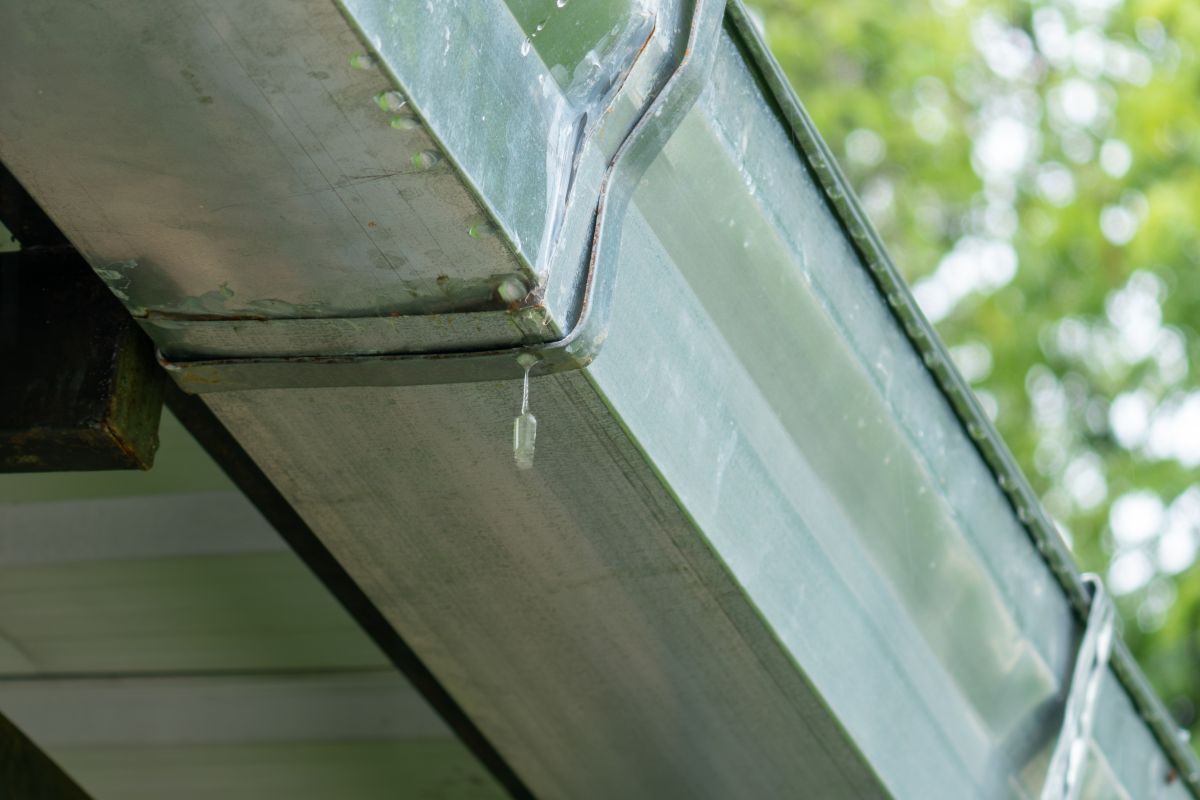
One of the most useful times to inspect gutters is during an actual storm. Overflowing corners, water sheeting over the front edge, heavy dripping at seams, or streams pouring near entry doors and walkways all suggest the system is not managing water effectively. A system can look acceptable on a dry day and still perform poorly in real weather.
Check The Ground Below The Eaves
If soil is washed out beneath the roof edge, mulch is displaced after storms, or you see trenches forming near the house, runoff may be escaping where it should not. Repeated erosion is often a sign that gutters are undersized, disconnected, clogged, or no longer aligned well enough to guide water toward downspouts.
Sagging Sections Are One Of The Clearest Warning Signs
One of the easiest signs to spot is sagging. Gutter runs should look straight and well supported. If sections appear bowed, uneven, or pulled away from the fascia, the system may be carrying more stress than it can handle. That stress may come from age, loose fasteners, standing water, past clogging, storm strain, or weakened materials.
Sagging matters because it affects performance. Water does not move properly through a channel that has lost its intended pitch. Instead of draining toward the downspouts, it can collect in low spots, creating extra weight and accelerating the failure. The more water sits in the system, the more strain it places on brackets, fasteners, seams, and the wood behind it.
Why Sagging Often Gets Worse Quickly
A slight dip may not seem urgent, but sagging tends to compound over time. Standing water adds weight. Added weight loosens support points. Looser support points create more distortion. Once the geometry of the system starts to fail, performance usually declines with it. At a certain point, replacing the damaged run or the full system becomes more practical than repeatedly tightening hardware on aging material.
Frequent Overflow Usually Means The System Is Not Working As Intended
If gutters regularly overflow during normal rain, something is wrong. In some cases, the issue is a temporary clog that can be corrected with cleaning. In other cases, the overflow continues because the system is too old, too shallow, poorly pitched, undersized for the roof area, or compromised at key points.
Overflow is not a minor cosmetic issue. It means water is bypassing the drainage path and landing directly on areas that may be vulnerable to moisture exposure. That can affect siding, trim, patios, foundations, and landscaping. If the same areas get hit repeatedly, the risk of damage goes up with every storm.
Overflow That Persists After Cleaning
If the system has been cleaned and water still spills over the edge, the problem may be structural rather than maintenance-related. That is often a sign the gutters are no longer the right shape, size, or alignment for the house. Persistent overflow is one of the strongest indicators that replacement should be considered rather than another short-term fix.
Cracks, Holes, And Splitting Seams Signal Material Failure
Small cracks in a gutter run may seem easy to ignore, especially if they are not causing obvious flooding yet. But these openings usually get worse as the system expands and contracts through temperature changes and continued exposure to weather. Water escaping through cracks and seams can stain exterior finishes, rot trim, and drip repeatedly onto the same ground areas.
Sectional gutter systems are especially vulnerable at joints. Over time, sealants age, seams separate, and repeated movement can open small leaks into larger ones. If there are multiple leak points along the system, patching each one may become less sensible than replacing the system with a more continuous solution.
When Small Leaks Point To Bigger Replacement Needs
A single isolated issue may justify a repair. But if you see recurring leaks at corners, joints, end caps, or along long runs, that often means the system is aging as a whole. Multiple repairs across old materials usually indicate that the remaining life of the system is shrinking.
Peeling Paint, Rust, And Surface Deterioration Matter
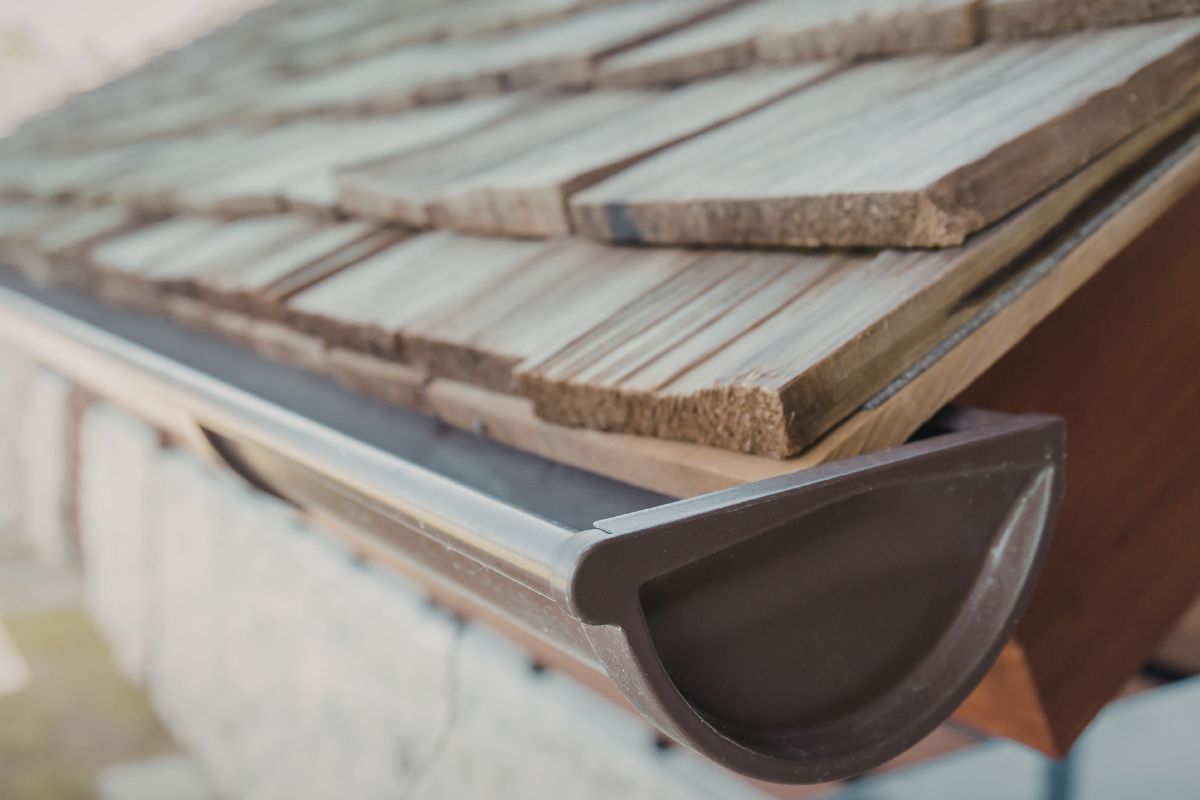
Visible wear on the exterior of the gutter system can reveal more than appearance problems. Peeling paint, oxidation, rust spots, and surface pitting may indicate long-term moisture exposure and deteriorating protective finishes. Once a material begins breaking down at the surface, it is usually more vulnerable to deeper failure.
Rust is especially important because it is not just aesthetic. Rust weakens metal over time and can eventually create holes and brittle sections. If rust appears in several places, particularly around seams, fasteners, or low spots where water may have sat, it may be a sign that the system is beyond efficient repair.
Water Marks On Siding And Exterior Walls Should Not Be Ignored
Streaks, staining, mildew, or dark vertical lines on siding often point to water escaping from above. This can happen when gutters are overflowing, pulling away from the house, or leaking at seams. Homeowners sometimes focus on cleaning the wall without addressing the source of the moisture, which means the staining returns and the underlying problem continues.
Water that repeatedly runs down siding can shorten the life of paint, contribute to mold or mildew growth, and expose window trim and wall assemblies to repeated moisture. When those signs appear near roof edges, the gutter system should be inspected carefully.
Pooling Water Near The Foundation Is A Serious Red Flag
One of the main jobs of gutters is to move roof runoff away from the base of the home. If you regularly see puddles forming near the foundation, downspouts dumping too close to the structure, or damp soil that stays wet long after rain, your drainage system may no longer be working effectively.
Foundation-related moisture issues can become expensive if ignored. Repeated pooling can contribute to settlement concerns, crawlspace moisture, staining, and other long-term problems. Even when the foundation itself is still sound, wet conditions near the home can damage landscaping, attract pests, and create muddy or slippery areas around walkways and entries.
Downspout Performance Is Part Of The Replacement Question
Sometimes the problem is not only the gutter channel but the overall drainage layout. A replacement project may need to address downspout locations, capacity, and discharge points so that water is carried farther away from the house. Looking at the whole system, not just one failing section, usually leads to better long-term results.
Loose Fasteners And Repeated Repairs Often Mean The System Is Near The End
If you keep rehanging sections, resealing joints, or replacing spikes and brackets, it may be time to step back and evaluate whether the system as a whole is worth continuing to patch. Repeated repairs can add up quickly, especially if they still leave you with old materials, inconsistent pitch, and limited confidence every time heavy rain arrives.
A good replacement decision is often less about one dramatic failure and more about the pattern of ongoing maintenance. When gutters require frequent attention just to remain functional, the system may no longer be providing reliable value.
Landscape Erosion And Washed-Out Beds Are Telling You Something
The landscaping around a home often reveals drainage problems before the homeowner notices damage elsewhere. If flower beds are getting hammered by runoff, mulch is displaced after every storm, or decorative rock is being pushed out of place, water may be pouring off the roofline in concentrated areas.
This is not only a garden issue. Erosion around the perimeter may indicate that water is missing the intended drainage path and landing too close to the structure. If this keeps happening, new gutters may be necessary to restore proper control over runoff.
Gutters Pulling Away From The House Should Be Taken Seriously
When gutters begin separating from the fascia, the problem is usually more than cosmetic. The attachment may be failing because the system has carried too much weight, the wood behind it has weakened, or the materials themselves are distorting with age. Once the channel is no longer held tightly in place, water can slip behind it and damage the structure it is supposed to protect.
In some cases, the fascia may also need evaluation. If wood trim has softened or deteriorated because of long-term moisture exposure, simply reattaching the old gutter system may not solve the underlying issue. A quality replacement project should account for the condition of the mounting surface, not just the visible channel.
How To Tell The Difference Between Repair And Replacement
Not every gutter issue means a full replacement is necessary. A newer system with one loose bracket, one clogged downspout, or one isolated seam leak may be a good candidate for repair. But older systems with widespread sagging, repeated leaks, rust, poor drainage performance, and visible structural wear often justify replacement because the failures are no longer limited to one area.
Repair Usually Makes Sense When
The system is relatively new, the materials are still sound, the issue is localized, and performance returns to normal once the isolated defect is corrected. If the gutter run remains straight, drains well, and shows no broad material deterioration, repair may be enough.
Replacement Usually Makes More Sense When
Multiple sections are failing, leaks keep returning, the system overflows even after maintenance, rust or deterioration is widespread, or the design no longer handles runoff effectively. At that point, replacement is often the more efficient way to restore reliable drainage and reduce future maintenance.
Why Seamless Gutters Often Improve Long-Term Performance
One reason many homeowners replace older sectional systems is to reduce the number of joints where leaks can develop. Seamless systems are designed with fewer connection points along the run, which can improve reliability and reduce the chance of recurring seam failure. They also tend to offer a cleaner appearance and a more custom fit when measured and installed properly.
That does not mean every old system must be replaced with the exact same layout it had before. A thoughtful installation may improve pitch, support spacing, downspout placement, and water capacity so the new system performs better than the old one ever did.
What A Professional Gutter Evaluation Should Include
If you suspect you need new gutters, a quality evaluation should look beyond surface appearance. The inspection should consider the condition of the channels, seams, fascia attachment points, pitch, downspouts, overflow patterns, and the visible effects of runoff around the home. It should also account for how the roof sheds water and whether the current system is sized and positioned appropriately.
Performance Matters More Than Appearance Alone
A gutter system can still look acceptable from the street and perform poorly during rain. That is why decisions should be based on function as much as appearance. The important question is whether the system still protects the home reliably in real weather conditions.
What Homeowners Gain By Replacing Gutters At The Right Time
Replacing gutters before major water damage develops is often a preventive investment rather than a reactive expense. A properly functioning system can help protect trim, siding, windows, entry areas, landscape beds, walkways, and the foundation. It can also reduce cleanup, lower maintenance stress, and make heavy rain feel less like a test of whether something is about to overflow.
When replacement is done at the right time, the project is about restoring control. Water leaves the roof, enters the system, flows toward the downspouts, and moves away from the house the way it should. That kind of predictable performance is what homeowners are really buying.
Why Installation Quality Matters As Much As The Gutter System Itself
Even a well-made gutter product can disappoint if it is installed with poor pitch, weak support, or bad drainage planning. Performance depends on accurate measurement, proper slope, secure attachment, and downspout placement that directs runoff away from vulnerable areas. If those details are ignored, even new gutters can underperform.
That is why the installation process matters so much. A system should not only fit the home. It should also be designed to manage rainwater consistently and hold up under normal weather demands.
Gutter Installation By Top Of The Trades
If you are seeing signs that your gutters may be failing, replacing them before larger water problems develop can be a smart way to protect your home. Top Of The Trades provides professional gutter solutions designed to improve drainage performance, reduce overflow risk, and help move water away from the areas that matter most. You can learn more about their gutter services on the Gutters Installation page.
Schedule A Consultation
If you are ready to find out whether repairs are enough or whether it is time for new gutters, contact Top Of The Trades to discuss your home, your drainage concerns, and the next steps for a better-performing system. You can request a quote through the Contact Us page.