Category: Gutters

Expert Custom Gutters Installation in Southern California. Top of the Trades Installs Custom Gutters for Your Home. Best Home Service Provider in Upland, CA

  • How Do You Choose The Right Gutter Size For Your Home

    How Do You Choose The Right Gutter Size For Your Home

    Choosing the right gutter size for your home is not just about picking the most common option and hoping it works. The right size depends on how much rainwater your roof collects, how quickly that water needs to move away from the house, and whether your current gutter system is actually keeping up during storms. A gutter that is too small may look fine on a dry day but still overflow, back up, or send water too close to the home when the weather turns.

    That is why the better question is not simply whether 5-inch or 6-inch gutters are better in the abstract. The better question is which gutter size makes the most sense for your roof design, your water-flow needs, and your long-term home protection goals. For some homes, a standard-sized gutter system is completely appropriate. For others, especially homes with larger roof sections or heavier water runoff, moving up in capacity can make the system more effective and reduce the risk of overflow-related problems.

    This guide explains how homeowners can think about gutter sizing in a practical way, what factors actually affect water flow, why roof design matters as much as gutter width, and how a professionally planned gutter installation can help protect the home more effectively over time.

    Why Gutter Size Matters More Than Many Homeowners Expect

    Gutters are often treated like a simple trim feature on the edge of the roof, but they perform a much more important job than many people realize. Their purpose is to collect rainwater as it leaves the roof and move it away from the home in a controlled way. When the system is sized properly, that process feels invisible. Water moves through the gutters, into the downspouts, and away from the house without much attention.

    When the system is undersized, however, the problems can show up quickly. Water may spill over the edges, splash down near the foundation, stain siding, affect fascia boards, or create wet areas around landscaping and walkways. A gutter system does not have to be completely failing to be the wrong size. It may simply be underperforming every time the roof sheds more water than the system can manage efficiently.

    Gutter Size Is Really About Water Volume

    The key issue in choosing the right gutter size is not appearance alone. It is water volume. The more roof area a gutter section has to serve, the more rainwater it must be able to capture and move. That is why two homes in the same neighborhood may not need the same gutter size, even if they are in the same climate and use similar materials.

    A smaller or simpler roofline may work well with a more standard gutter profile. A larger roof, a steeper roof, or a roof section that channels a lot of water into one run may need a bigger system. In those cases, the “best” size is not the one that looks most common. It is the one that handles runoff without turning storms into drainage problems.

    Roof Shape Plays A Big Role In Choosing The Right Size

    Homeowners sometimes focus only on square footage, but roof design can be just as important as roof size. A roof with simple slopes may spread water flow more evenly. A roof with valleys, concentrated runoff points, or longer sections may direct a large amount of water into a smaller gutter area. That can overwhelm a system that would otherwise seem adequate on paper.

    This is one reason gutter sizing should never be treated as a one-size-fits-all decision. The way the roof sheds water matters. If a specific section of the roof funnels runoff aggressively, that portion of the home may benefit from greater gutter capacity even if another area does not need the same level of drainage support.
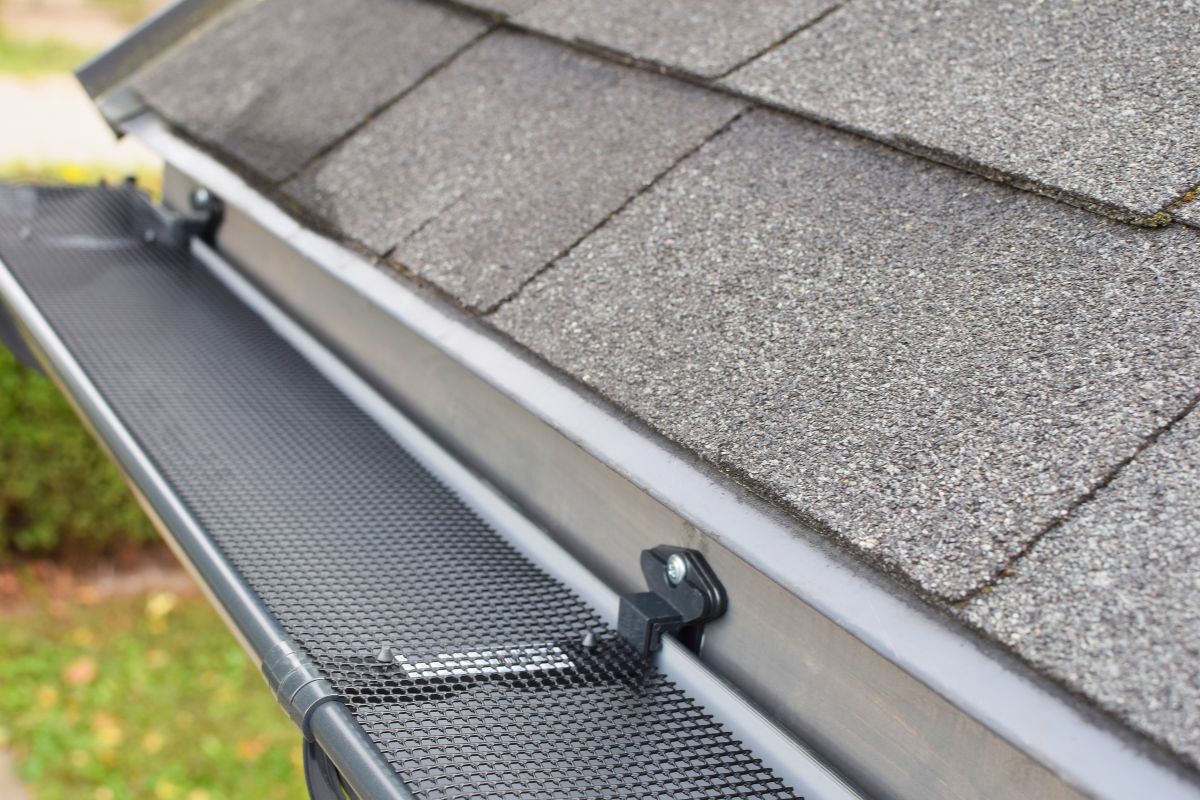
    choose right gutter size for home

    Valleys Often Increase Water Concentration

    Roof valleys can create especially heavy water concentration because they direct runoff from multiple roof planes into one area. When that happens, the gutter below the valley may need to handle a much larger flow of water than a casual visual estimate would suggest.

    Long Runs Can Create More Demand

    Long roof sections can also increase the amount of water entering one gutter run. If a large surface is draining into the same stretch of gutter, a higher-capacity system may be the smarter choice.

    5-Inch And 6-Inch Gutters Are Not The Same Decision For Every Home

    Many homeowners compare gutter size by looking at the common 5-inch and 6-inch conversation. That is a useful starting point, but the goal should not be to assume larger is always better or that standard is always enough. The right answer depends on the house.

    In general, a 5-inch system may be a strong fit for many homes with moderate runoff demands and straightforward rooflines. A 6-inch system may be the better fit when the home has larger roof sections, heavier water concentration, steeper slopes, or simply needs more drainage capacity to perform confidently during stronger storms.

    The important point is that sizing should be based on function. If a home is already showing signs of overflow, splashback, or poor drainage performance, moving to a larger gutter profile may be part of the solution.

    Downspouts Matter Just As Much As The Gutter Itself

    Homeowners sometimes think gutter size alone determines whether the system works well, but the downspouts matter too. Even a properly sized gutter can struggle if water cannot exit efficiently. The overall system has to move water from the roof edge to the ground in a way that stays balanced.

    That means good sizing is really about the entire drainage plan. Gutter width, downspout placement, downspout size, roof runoff patterns, and drainage direction all work together. If one part of that system is undersized or poorly designed, performance can suffer even if the gutter itself seems large enough.

    More Capacity Means Little Without Good Drainage Exit Points

    A larger gutter can help manage more water, but it still needs enough exit capacity. If downspouts are poorly placed or too limited for the amount of runoff being collected, the system may still back up during heavier rain.

    How To Tell If Your Current Gutters May Be Too Small

    Some homes make the answer obvious. If water spills over the gutter edge during rain, the system is telling you it may not be keeping up. But overflow is not the only clue. In some cases, the signs are more subtle and appear over time rather than all at once.

    Homeowners may notice water streaking down siding, damp soil collecting near the foundation, splash patterns below roof edges, or sections of gutter that seem to struggle more than others during storms. They may also notice that one area of the system performs poorly whenever valleys dump water into it. These problems do not always mean the entire gutter system is bad, but they can indicate that the size, layout, or drainage capacity is not ideal for the home.

    Overflow During Rain Is One Of The Clearest Signs

    If rainwater visibly pours over the edge of the gutter rather than staying inside the system, that is one of the strongest signs that the gutter may be undersized, clogged, poorly sloped, or otherwise not functioning the way it should.

    Localized Trouble Spots Can Still Point To Sizing Issues

    Even if only one section of the house shows recurring overflow, that area may still need a different drainage strategy. Sometimes the problem is not the whole system. It is one high-demand area that needs more capacity or better planning.

    Choosing Bigger Just For The Sake Of Bigger Is Not Always The Best Answer

    It can be tempting to assume the safest move is simply choosing the largest gutter possible. In some cases, that may be appropriate. In others, it may add cost or visual bulk without solving the actual issue if the real problem involves pitch, downspout layout, or installation quality.

    The better approach is to match the system to the house. A thoughtfully sized gutter system looks intentional, performs well, and supports the architecture instead of overpowering it. Good planning usually leads to better results than automatically upsizing without evaluating why the current system is struggling.
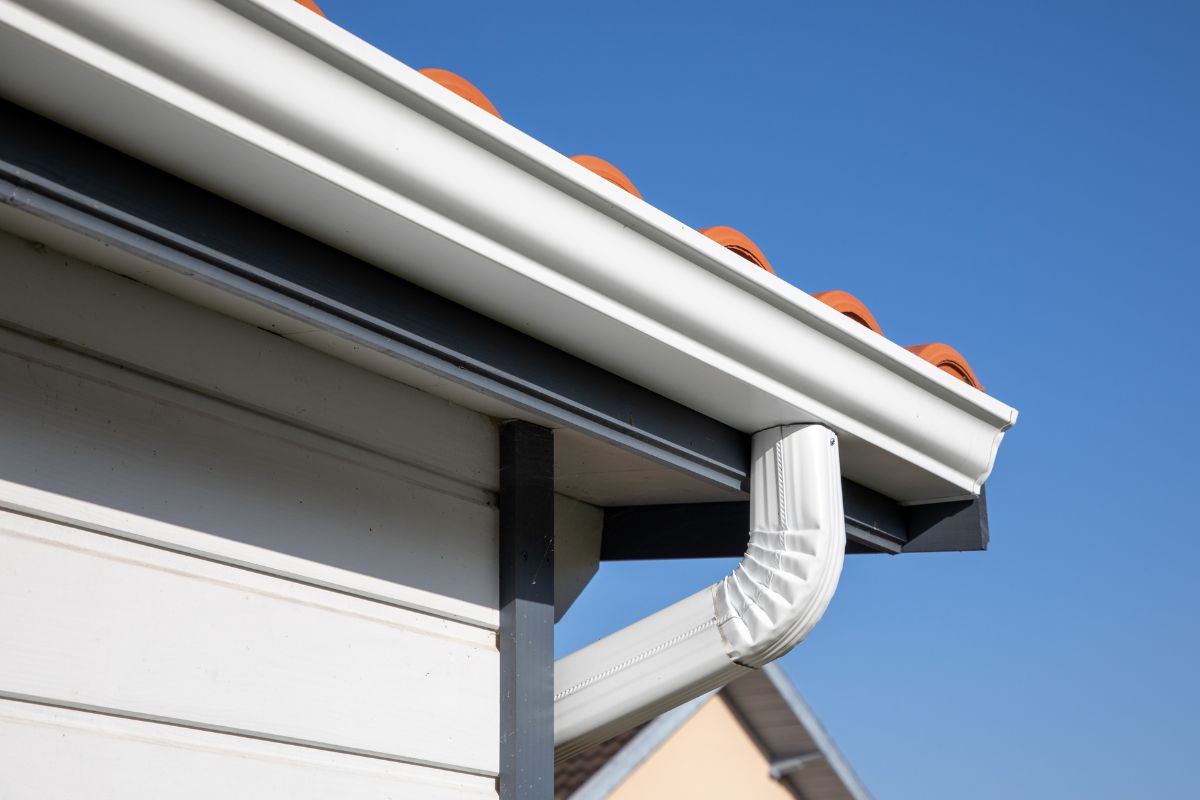
    choose right gutter size for home

    Seamless Gutters Can Improve Performance When Sized Correctly

    Gutter sizing is important, but so is the type of system being installed. Seamless gutters are often attractive to homeowners because they reduce the number of joints where leaks and debris issues can develop. That can make the system easier to maintain and more reliable over time, especially when it is paired with the right size and layout.

    A properly sized seamless system is often a smart combination because it addresses both capacity and durability. Instead of thinking only about width, homeowners should think about how the full gutter system will perform season after season.

    Material And Appearance Still Matter, But They Come After Function

    Homeowners understandably care about how gutters look. Color, finish, profile, and how the gutters blend with the roofline all affect curb appeal. But appearance should follow performance, not replace it. A gutter system that looks sharp but cannot manage the water flow effectively is not the right choice for the home.

    The strongest results usually come when function and appearance are planned together. The system should look appropriate on the house, but it should first be able to protect the property the way it is supposed to.

    Professional Evaluation Usually Leads To Better Sizing Decisions

    Because gutter sizing depends on more than one factor, many homeowners benefit from a professional assessment rather than guessing based on what neighboring homes use. A trained installer can look at the roof shape, runoff concentration, gutter runs, drainage needs, and any signs of current failure before recommending the right approach.

    This is especially helpful when a homeowner is already seeing overflow, replacing old gutters, or trying to decide whether standard sizing is enough. A good recommendation should be based on how the home sheds water in real conditions, not just on habit or convenience.

    The Goal Is Better Performance, Not Just New Gutters

    Replacing or upgrading gutters should improve the way the home handles water. The project should not be treated as a cosmetic swap alone. The real value comes from getting a system that performs more effectively and protects the property more reliably.

    The Right Gutter Size Supports Long-Term Home Protection

    When a gutter system is properly sized, it helps reduce unnecessary stress on the exterior of the home. Water is directed where it should go, overflow risk is reduced, and the home is better protected against the kinds of moisture problems that can quietly build over time. That includes issues near the foundation, fascia, trim, siding, and surrounding landscape areas.

    This is why sizing decisions matter more than they first appear. The right gutter size is not only about rain moving off the roof. It is about how the home handles water over the long term.

    How To Think About The Best Choice For Your Home

    If you want the most practical way to approach gutter sizing, start by asking a few basic questions. Does your current system overflow? Does the roof have valleys or large runoff sections? Are certain areas of the house seeing repeated water problems? Are you replacing gutters because they are worn out, or because they never handled water well in the first place?

    The answers usually point toward the right solution. Some homes need a straightforward standard system. Others clearly benefit from more capacity. The best choice is the one that fits the home’s actual drainage demands, not the one that simply sounds most common or most impressive.

    Gutter Solutions By Top Of The Trades

    If you are trying to decide what gutter size makes the most sense for your home, Top Of The Trades provides gutter solutions designed around performance, protection, and long-term value. The goal is not just to add gutters. It is to help homeowners choose a system that fits the property properly and handles water the way it should.

    Whether your home needs a more standard gutter solution or greater capacity for heavier runoff, a professionally planned installation can help reduce guesswork and improve confidence in the final result.

    Schedule A Consultation

    If you are ready to learn more about choosing the right gutter size for your home, contact Top Of The Trades to discuss your roofline, drainage concerns, and installation options. You can request more information through the Contact Us page.
  • What Are the Signs You Need New Gutters?

    What Are the Signs You Need New Gutters?

    Rainwater management is one of the most overlooked parts of home protection until something starts going wrong. Most homeowners do not think much about gutters when they are working properly. Water flows off the roof, moves through the gutter system, and drains away from the home with very little attention. But when that system begins to fail, the warning signs often show up in places that seem unrelated at first, such as stained siding, landscape erosion, roof edge damage, mildew near the foundation, or water pooling where it should not.

    The challenge is that failing gutters do not always collapse dramatically or rip off the house all at once. In many homes, the first signs are subtle. Joints begin to separate, sections start sagging, overflow becomes more common during storms, and water starts escaping in the wrong places. Homeowners may assume the problem is minor and put off replacement, only to discover later that small drainage issues created much larger problems around the roofline, fascia, soffits, windows, entryways, or foundation.

    This guide explains what signs suggest you may need new gutters, why those signs matter, and how to tell the difference between a system that needs a simple repair and one that is reaching the end of its useful life. The goal is not just to replace something old. The goal is to protect the home by making sure rainwater is directed where it belongs every time it rains.

    Why Gutters Matter More Than Many Homeowners Realize

    Most people think of gutters as a convenience feature that keeps water from pouring directly off the roof edge. That is true, but their function is much broader than that. A properly designed and well-installed gutter system helps move runoff away from the roofline, siding, trim, entry areas, landscaping, walkways, and foundation. Without that control, water often begins finding its own path, and that path is rarely good for the home.

    When gutters stop performing well, the effects can spread. Excess water can soak fascia boards, stain stucco or siding, erode planting beds, create slippery areas near entrances, and contribute to moisture accumulation near the base of the home. Over time, repeated exposure can wear down materials that were never meant to handle uncontrolled runoff.

    That is why replacement decisions should not be based only on whether a gutter is still physically attached to the house. The real question is whether the entire system is still doing its job consistently and directing water safely away from vulnerable areas.

    Start With A Quick Exterior Water Management Check

    Before deciding whether new gutters are necessary, it helps to step back and evaluate how the home handles water overall. You are not only checking the gutter channels themselves. You are looking at the visible results of where water goes during and after rain.

    Look At The Roof Edge And Fascia

    Walk around the house and study the roofline. If you see peeling paint, dark staining, soft wood, or areas that appear swollen or deteriorated near the fascia, water may be escaping behind or over the gutter system. This can happen when gutters are loose, improperly pitched, clogged, or simply too worn to contain runoff reliably.

    Watch What Happens During Rain

    One of the most useful times to inspect gutters is during an actual storm. Overflowing corners, water sheeting over the front edge, heavy dripping at seams, or streams pouring near entry doors and walkways all suggest the system is not managing water effectively. A system can look acceptable on a dry day and still perform poorly in real weather.

    Check The Ground Below The Eaves

    If soil is washed out beneath the roof edge, mulch is displaced after storms, or you see trenches forming near the house, runoff may be escaping where it should not. Repeated erosion is often a sign that gutters are undersized, disconnected, clogged, or no longer aligned well enough to guide water toward downspouts.

    Sagging Sections Are One Of The Clearest Warning Signs

    One of the easiest signs to spot is sagging. Gutter runs should look straight and well supported. If sections appear bowed, uneven, or pulled away from the fascia, the system may be carrying more stress than it can handle. That stress may come from age, loose fasteners, standing water, past clogging, storm strain, or weakened materials.

    Sagging matters because it affects performance. Water does not move properly through a channel that has lost its intended pitch. Instead of draining toward the downspouts, it can collect in low spots, creating extra weight and accelerating the failure. The more water sits in the system, the more strain it places on brackets, fasteners, seams, and the wood behind it.

    Why Sagging Often Gets Worse Quickly

    A slight dip may not seem urgent, but sagging tends to compound over time. Standing water adds weight. Added weight loosens support points. Looser support points create more distortion. Once the geometry of the system starts to fail, performance usually declines with it. At a certain point, replacing the damaged run or the full system becomes more practical than repeatedly tightening hardware on aging material.

    Frequent Overflow Usually Means The System Is Not Working As Intended

    If gutters regularly overflow during normal rain, something is wrong. In some cases, the issue is a temporary clog that can be corrected with cleaning. In other cases, the overflow continues because the system is too old, too shallow, poorly pitched, undersized for the roof area, or compromised at key points.

    Overflow is not a minor cosmetic issue. It means water is bypassing the drainage path and landing directly on areas that may be vulnerable to moisture exposure. That can affect siding, trim, patios, foundations, and landscaping. If the same areas get hit repeatedly, the risk of damage goes up with every storm.

    Overflow That Persists After Cleaning

    If the system has been cleaned and water still spills over the edge, the problem may be structural rather than maintenance-related. That is often a sign the gutters are no longer the right shape, size, or alignment for the house. Persistent overflow is one of the strongest indicators that replacement should be considered rather than another short-term fix.

    Cracks, Holes, And Splitting Seams Signal Material Failure

    Small cracks in a gutter run may seem easy to ignore, especially if they are not causing obvious flooding yet. But these openings usually get worse as the system expands and contracts through temperature changes and continued exposure to weather. Water escaping through cracks and seams can stain exterior finishes, rot trim, and drip repeatedly onto the same ground areas.

    Sectional gutter systems are especially vulnerable at joints. Over time, sealants age, seams separate, and repeated movement can open small leaks into larger ones. If there are multiple leak points along the system, patching each one may become less sensible than replacing the system with a more continuous solution.

    When Small Leaks Point To Bigger Replacement Needs

    A single isolated issue may justify a repair. But if you see recurring leaks at corners, joints, end caps, or along long runs, that often means the system is aging as a whole. Multiple repairs across old materials usually indicate that the remaining life of the system is shrinking.

    what are the signs you need new gutters

    Peeling Paint, Rust, And Surface Deterioration Matter

    Visible wear on the exterior of the gutter system can reveal more than appearance problems. Peeling paint, oxidation, rust spots, and surface pitting may indicate long-term moisture exposure and deteriorating protective finishes. Once a material begins breaking down at the surface, it is usually more vulnerable to deeper failure.

    Rust is especially important because it is not just aesthetic. Rust weakens metal over time and can eventually create holes and brittle sections. If rust appears in several places, particularly around seams, fasteners, or low spots where water may have sat, it may be a sign that the system is beyond efficient repair.

    Water Marks On Siding And Exterior Walls Should Not Be Ignored

    Streaks, staining, mildew, or dark vertical lines on siding often point to water escaping from above. This can happen when gutters are overflowing, pulling away from the house, or leaking at seams. Homeowners sometimes focus on cleaning the wall without addressing the source of the moisture, which means the staining returns and the underlying problem continues.

    Water that repeatedly runs down siding can shorten the life of paint, contribute to mold or mildew growth, and expose window trim and wall assemblies to repeated moisture. When those signs appear near roof edges, the gutter system should be inspected carefully.

    Pooling Water Near The Foundation Is A Serious Red Flag

    One of the main jobs of gutters is to move roof runoff away from the base of the home. If you regularly see puddles forming near the foundation, downspouts dumping too close to the structure, or damp soil that stays wet long after rain, your drainage system may no longer be working effectively.

    Foundation-related moisture issues can become expensive if ignored. Repeated pooling can contribute to settlement concerns, crawlspace moisture, staining, and other long-term problems. Even when the foundation itself is still sound, wet conditions near the home can damage landscaping, attract pests, and create muddy or slippery areas around walkways and entries.

    Downspout Performance Is Part Of The Replacement Question

    Sometimes the problem is not only the gutter channel but the overall drainage layout. A replacement project may need to address downspout locations, capacity, and discharge points so that water is carried farther away from the house. Looking at the whole system, not just one failing section, usually leads to better long-term results.

    Loose Fasteners And Repeated Repairs Often Mean The System Is Near The End

    If you keep rehanging sections, resealing joints, or replacing spikes and brackets, it may be time to step back and evaluate whether the system as a whole is worth continuing to patch. Repeated repairs can add up quickly, especially if they still leave you with old materials, inconsistent pitch, and limited confidence every time heavy rain arrives.

    A good replacement decision is often less about one dramatic failure and more about the pattern of ongoing maintenance. When gutters require frequent attention just to remain functional, the system may no longer be providing reliable value.

    Landscape Erosion And Washed-Out Beds Are Telling You Something

    The landscaping around a home often reveals drainage problems before the homeowner notices damage elsewhere. If flower beds are getting hammered by runoff, mulch is displaced after every storm, or decorative rock is being pushed out of place, water may be pouring off the roofline in concentrated areas.

    This is not only a garden issue. Erosion around the perimeter may indicate that water is missing the intended drainage path and landing too close to the structure. If this keeps happening, new gutters may be necessary to restore proper control over runoff.

    Gutters Pulling Away From The House Should Be Taken Seriously

    When gutters begin separating from the fascia, the problem is usually more than cosmetic. The attachment may be failing because the system has carried too much weight, the wood behind it has weakened, or the materials themselves are distorting with age. Once the channel is no longer held tightly in place, water can slip behind it and damage the structure it is supposed to protect.

    In some cases, the fascia may also need evaluation. If wood trim has softened or deteriorated because of long-term moisture exposure, simply reattaching the old gutter system may not solve the underlying issue. A quality replacement project should account for the condition of the mounting surface, not just the visible channel.

    How To Tell The Difference Between Repair And Replacement

    Not every gutter issue means a full replacement is necessary. A newer system with one loose bracket, one clogged downspout, or one isolated seam leak may be a good candidate for repair. But older systems with widespread sagging, repeated leaks, rust, poor drainage performance, and visible structural wear often justify replacement because the failures are no longer limited to one area.

    what are the signs you need new gutters

    Repair Usually Makes Sense When

    The system is relatively new, the materials are still sound, the issue is localized, and performance returns to normal once the isolated defect is corrected. If the gutter run remains straight, drains well, and shows no broad material deterioration, repair may be enough.

    Replacement Usually Makes More Sense When

    Multiple sections are failing, leaks keep returning, the system overflows even after maintenance, rust or deterioration is widespread, or the design no longer handles runoff effectively. At that point, replacement is often the more efficient way to restore reliable drainage and reduce future maintenance.

    Why Seamless Gutters Often Improve Long-Term Performance

    One reason many homeowners replace older sectional systems is to reduce the number of joints where leaks can develop. Seamless systems are designed with fewer connection points along the run, which can improve reliability and reduce the chance of recurring seam failure. They also tend to offer a cleaner appearance and a more custom fit when measured and installed properly.

    That does not mean every old system must be replaced with the exact same layout it had before. A thoughtful installation may improve pitch, support spacing, downspout placement, and water capacity so the new system performs better than the old one ever did.

    What A Professional Gutter Evaluation Should Include

    If you suspect you need new gutters, a quality evaluation should look beyond surface appearance. The inspection should consider the condition of the channels, seams, fascia attachment points, pitch, downspouts, overflow patterns, and the visible effects of runoff around the home. It should also account for how the roof sheds water and whether the current system is sized and positioned appropriately.

    Performance Matters More Than Appearance Alone

    A gutter system can still look acceptable from the street and perform poorly during rain. That is why decisions should be based on function as much as appearance. The important question is whether the system still protects the home reliably in real weather conditions.

    What Homeowners Gain By Replacing Gutters At The Right Time

    Replacing gutters before major water damage develops is often a preventive investment rather than a reactive expense. A properly functioning system can help protect trim, siding, windows, entry areas, landscape beds, walkways, and the foundation. It can also reduce cleanup, lower maintenance stress, and make heavy rain feel less like a test of whether something is about to overflow.

    When replacement is done at the right time, the project is about restoring control. Water leaves the roof, enters the system, flows toward the downspouts, and moves away from the house the way it should. That kind of predictable performance is what homeowners are really buying.

    Why Installation Quality Matters As Much As The Gutter System Itself

    Even a well-made gutter product can disappoint if it is installed with poor pitch, weak support, or bad drainage planning. Performance depends on accurate measurement, proper slope, secure attachment, and downspout placement that directs runoff away from vulnerable areas. If those details are ignored, even new gutters can underperform.

    That is why the installation process matters so much. A system should not only fit the home. It should also be designed to manage rainwater consistently and hold up under normal weather demands.

    Gutter Installation By Top Of The Trades

    If you are seeing signs that your gutters may be failing, replacing them before larger water problems develop can be a smart way to protect your home. Top Of The Trades provides professional gutter solutions designed to improve drainage performance, reduce overflow risk, and help move water away from the areas that matter most. You can learn more about their gutter services on the Gutters Installation page.

    Schedule A Consultation

    If you are ready to find out whether repairs are enough or whether it is time for new gutters, contact Top Of The Trades to discuss your home, your drainage concerns, and the next steps for a better-performing system. You can request a quote through the Contact Us page.

  • Why Gutters Are Essential for Home Protection

    Why Gutters Are Essential for Home Protection

    When it comes to protecting your home from the elements, gutters often don’t get the attention they deserve. They may be one of the more overlooked components of your home’s exterior, but their importance cannot be overstated. Without properly functioning gutters, even the most structurally sound home can suffer from severe and costly damage over time.

    Gutters play a vital role in channeling rainwater and melting snow away from your home’s roof, siding, foundation, and landscaping. Their function may seem simple, but the consequences of not having gutters—or having ones that are damaged or clogged—can be serious. From basement flooding to mold growth and foundation cracking, the problems caused by improper water drainage can spiral into major repairs and significantly reduce the value of your home.

    The Basic Function of Gutters

    Gutters are long, narrow troughs attached to the edge of your roof. Their primary purpose is to collect rainwater that flows off the roof and direct it toward downspouts, which then channel the water safely away from your home’s foundation. Without this redirection, water can fall directly off the roof’s edge and accumulate around your home’s perimeter.

    Over time, this water can lead to soil erosion, foundation saturation, and flooding. Gutters are especially important in areas with frequent rainstorms or snowfall, but even homes in arid regions benefit from proper drainage during seasonal downpours. Gutters also protect your home’s fascia, soffit, siding, and even landscaping by reducing water exposure.

    In short, gutters manage the one natural element your home faces regularly: water. And water, as harmless as it may seem, is one of the most destructive forces your home can encounter without proper control.

    Protecting the Foundation

    One of the most important roles gutters play is protecting your home’s foundation. A house’s foundation is the base upon which the entire structure rests. If the foundation is compromised, the structural integrity of the entire house is at risk.

    When rainwater is not properly diverted by gutters and downspouts, it accumulates around the base of your home. Over time, this persistent moisture can cause the soil to expand and contract. This process, especially in clay soils, can put tremendous pressure on the foundation and lead to cracks. Water can seep through these cracks into your basement or crawlspace, resulting in mold, mildew, and further weakening of the structural base.

    In the absence of functioning gutters, even light rain over time can create standing water near the home, softening the soil and making the foundation unstable. Homes with basements are particularly vulnerable, as water can enter through window wells, sump pump drains, or porous concrete. That’s why gutter systems are often considered one of the first lines of defense for foundation protection.

    Preventing Basement Flooding

    Basement flooding is one of the most common and expensive consequences of poor water drainage. Once water makes its way into your basement, it can ruin flooring, drywall, furniture, and storage, and also promote the growth of mold and mildew.

    Gutters serve as a critical solution to this issue by redirecting the water away from the base of the home. Properly installed downspouts should extend several feet away from the foundation and, ideally, lead to a drainage pipe or splash block that carries water even further away.

    In regions where homes are built into slopes or experience heavy rainfall, a functioning gutter system with long downspout extensions or underground drainage is essential. These systems not only prevent flooding but also help keep indoor air quality safe by reducing moisture and mold in basement environments.

    gutters essential home protection

    Preserving Siding, Windows, and Exterior Walls

    Another area where gutters provide protection is along the exterior walls of your home, including your siding and windows. When rainwater runs off the roof and isn’t caught by a gutter system, it can flow directly down the walls. Over time, this can cause paint to peel, wood to rot, and siding materials to warp or break down.

    In homes with wood siding, repeated water exposure can lead to mold, mildew, and decay, not to mention aesthetic degradation. Even vinyl siding can be stained or damaged over time. Windows are also vulnerable; moisture that seeps into window frames can cause warping and leaking, which may result in high repair costs or window replacement.

    Gutters keep water from pouring directly onto your walls and window frames by intercepting it at the roofline and channeling it safely downward and outward. This helps maintain the structural integrity of your home’s envelope and extends the lifespan of your building materials.

    Protecting Your Roof and Fascia

    Your roof may be your home’s first defense against the elements, but without gutters, it may not be as effective as you think. Gutters collect the runoff from your roof, preventing it from pooling or dripping down in places that can cause wear over time. If water backs up because gutters are clogged or missing, it can seep beneath shingles and underlayment, leading to wood rot and leaks.

    In winter, the problem becomes even more serious with the formation of ice dams. When gutters are clogged or non-existent, snow melts off the roof and refreezes near the eaves, creating a dam that traps additional melting snow. This trapped water can back up under the shingles and into your home, causing damage to ceilings, walls, and insulation.

    The fascia board, which runs along the edge of your roof and supports the gutter system, is also vulnerable. Overflowing water can saturate the fascia and eventually cause it to rot, weakening your gutter supports and making your home more susceptible to water intrusion.

    Preventing Soil Erosion and Landscaping Damage

    Your yard and landscaping are also at risk when your home doesn’t have properly functioning gutters. When water runs off the roof without being channeled away, it falls directly onto the soil below, often in large volumes and at high velocity. This can erode topsoil, wash away mulch or plants, and carve out unsightly trenches around your home.

    If you’ve invested in a garden, decorative plants, or even grass that enhances your curb appeal, water damage from roof runoff can undo all that work in just one storm. Additionally, soil erosion near the base of your home can expose the foundation, making it even more vulnerable to cracking and damage.

    With gutters in place, water can be directed safely into storm drains, rain barrels, or designated drainage areas, preserving the landscape and maintaining your home’s curb appeal.

    Reducing Risk of Mold and Mildew

    Water intrusion into your home isn’t just bad for your walls and floors—it’s also a major health risk. Moist environments are the perfect breeding grounds for mold and mildew. These fungi can grow in your basement, crawl spaces, walls, ceilings, and even your HVAC system if left unchecked.

    Mold and mildew don’t just cause unpleasant odors or stains—they can lead to respiratory issues, allergies, and other serious health problems, especially in children and the elderly. Keeping moisture out of your home by properly directing rainwater away from the structure is one of the most effective ways to prevent mold growth.

    Gutters play a key role in this prevention effort. By moving water away from the foundation, they reduce the likelihood of water seeping into basements or behind walls, where mold can grow undetected for months or even years.

    gutters essential home protection

    Avoiding Pest Infestations

    Another lesser-known benefit of having gutters is that they help prevent pest infestations. Many insects and small animals are attracted to moisture, and pooling water around your home can invite unwanted guests like mosquitoes, termites, ants, and even rodents.

    Clogged gutters filled with debris and standing water are also prime breeding grounds for mosquitoes. Termites and carpenter ants are drawn to moist wood, which may result from water-damaged fascia or siding. Rodents, such as rats and squirrels, may use clogged gutters as nesting sites or as pathways to gain access to your attic.

    By ensuring that your gutter system is clear and functioning properly, you reduce the chances of attracting these pests and protect the structural and hygienic integrity of your home.

    Why Professional Installation and Maintenance Matter

    While it might seem like gutters are a simple DIY project, the truth is that professional installation is key to ensuring optimal performance. A properly installed gutter system takes into account the pitch of the roof, the flow of water, the placement and number of downspouts, and the integration with your home’s overall drainage system.

    Incorrectly pitched gutters can cause water to pool instead of flow, while poorly placed downspouts can actually direct water toward your foundation rather than away from it. Professionals also make sure that gutters are securely attached to your fascia and that all joints and seams are sealed to prevent leaks.

    Maintenance is just as important as installation. Even the best gutters can fail if they’re clogged with leaves, twigs, or shingle granules. Regular cleaning—typically twice a year—ensures that your system continues to function as designed. Installing gutter guards can reduce the frequency of cleaning and prevent larger debris from causing clogs.

    When to Replace Your Gutters

    Over time, all gutters will experience wear and tear. If your gutters are showing signs of rust, cracking, sagging, or pulling away from the house, it may be time for a replacement. Water stains on your siding, pooling near your foundation, or visible mildew near the roofline are also red flags.

    Modern gutter systems offer a range of materials to suit different climates and budgets, including aluminum, vinyl, copper, and steel. Seamless gutters, in particular, are a popular choice due to their custom fit and reduced likelihood of leaks.

    Trust Top of the Trades for Expert Gutter Installation

    When it comes to protecting your home, don’t underestimate the importance of a well-designed and properly installed gutter system. Gutters safeguard everything from your foundation to your roofline, siding, landscaping, and indoor air quality. Without them, your home is vulnerable to a wide range of costly and preventable problems.

    That’s where Top of the Trades comes in. As professional gutter installation experts, Top of the Trades brings years of experience and craftsmanship to every job. Whether you need a complete gutter replacement or help selecting the right system for your home, their team provides expert service tailored to your specific needs.

    From seamless gutters to custom downspout placement and debris protection systems, Top of the Trades is committed to helping homeowners protect what matters most. Contact them today at (800) 868-6130 for a free consultation and take the first step toward securing your home against water damage.

  • Seamless Gutters Made Easy: Custom Solutions for Contractors and DIY Enthusiasts

    Seamless Gutters Made Easy: Custom Solutions for Contractors and DIY Enthusiasts

    Seamless gutters are a game-changer for protecting homes from water damage while adding a polished look to any property. At Top Of The Trades, we provide tailored solutions for contractors and DIY homeowners, making it easier than ever to get premium seamless gutters delivered directly to your job site.

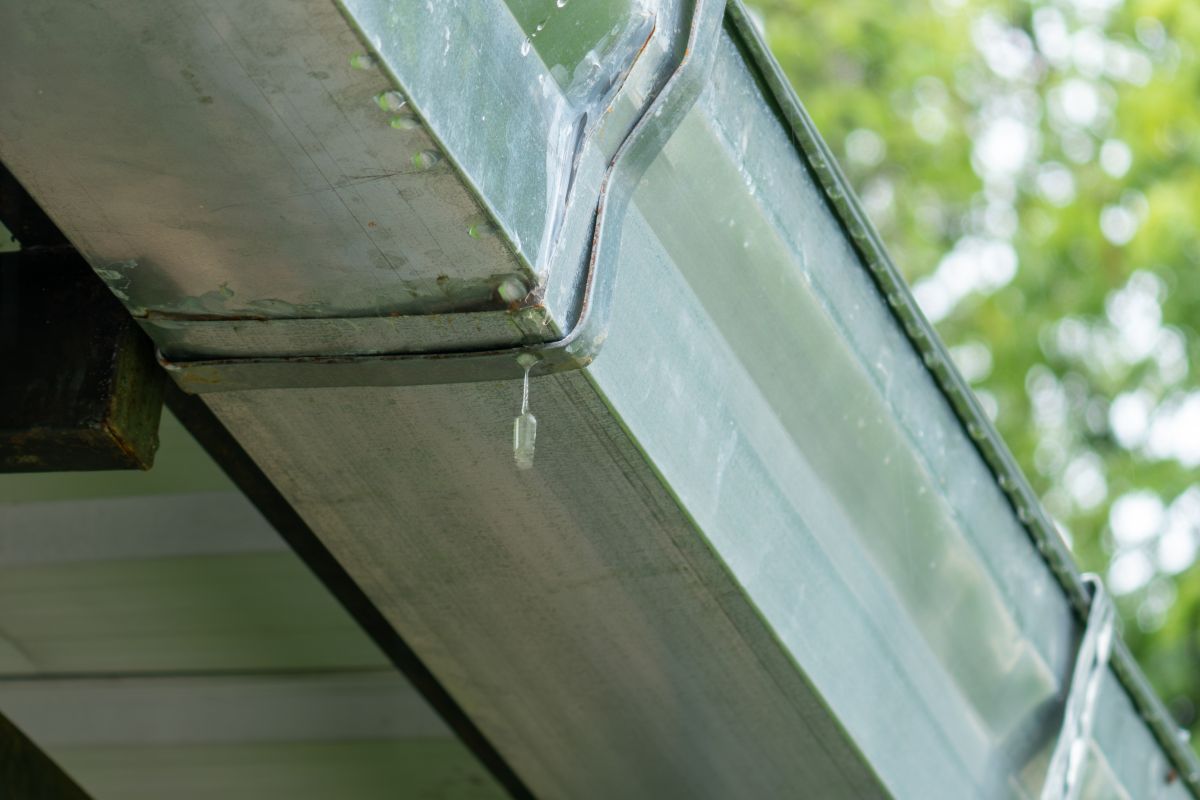
    Section of seamless gutter, showcasing its lightweight yet sturdy construction."Seamless gutter section: durable, lightweight, and built for precision.

    Whether you’re a professional contractor looking for reliable material supply or a DIY enthusiast ready to tackle your own installation, we’ve got you covered.

    Seamless Gutters for Contractors

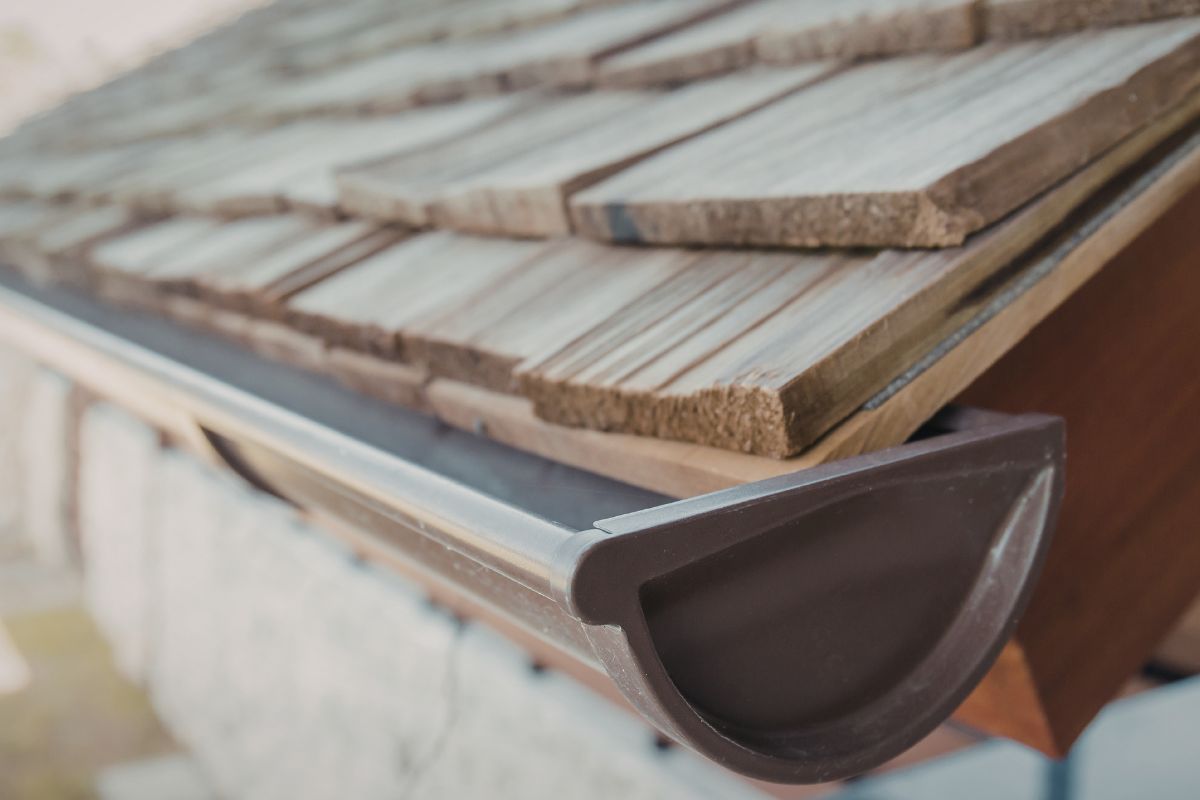
    Close-up view of a seamless gutter system, highlighting its long, smooth run and sleek finish. Seamless gutter run: designed for efficiency and a polished, modern look.
    As a contractor, your time is valuable, and every job demands efficiency. That’s why we offer custom-cut seamless gutters delivered directly to your job site. Each gutter is fabricated to the exact measurements needed for your project, ensuring a perfect fit and professional results every time.

    Here’s how we make it simple for contractors:

    • Custom Fabrication: Each run is made specifically for your job, eliminating waste and ensuring precision.
    • On-Site Delivery: All materials, including gutters, downspouts, brackets, and screws, are dropped off at your job site, ready for installation.
    • Wide Color Selection: Choose from an array of colors to match any home’s aesthetic.
    • DIY Installation Support: We provide all the materials you need, giving you the flexibility to complete the installation on your schedule.

    Seamless Gutters for DIY Homeowners

    If you’re a hands-on homeowner looking to install seamless gutters on your own, we make it easy for you, too. With a quick call to Top Of The Trades, you can have everything you need delivered right to your door.

    Our DIY services include:

    • Custom Gutters: Precise lengths cut for your home, ready to install.
    • Downspouts and Accessories: Every component, from screws to brackets, included in one convenient package.
    • Color Options: Select the perfect shade to complement your home.
    • Support When Needed: Not sure about the installation process? We’re just a call away with tips and guidance.

    Need an Installer? We’ve Got You Covered

    Not everyone has the time or expertise to install their own gutters—and that’s okay! If you prefer a professional touch, we can connect you with experienced installers who will handle the job with precision and care. You’ll still get the benefit of custom materials delivered right to your property, combined with the expertise of a seasoned pro.

    Why Choose Top Of The Trades?

    Whether you’re a contractor managing multiple jobs or a homeowner taking on a weekend project, we offer:

    • Efficiency: Custom-cut seamless gutters save time and ensure a perfect fit.
    • Convenience: Materials delivered directly to your job site or home.
    • Flexibility: Options for DIY installation or professional help.
    • Quality: Durable materials and expert craftsmanship ensure long-lasting results.

    Get Started Today

    At Top Of The Trades, we believe in making seamless gutter installation accessible to everyone. From contractors seeking reliable supply chains to DIYers ready to roll up their sleeves, we’re here to help.

    Give us a call today to order your custom seamless gutters and materials, or let us connect you with a trusted installer to get the job done right. With Top Of The Trades, you can protect your home and enhance its appearance with ease and confidence."Corner section of a seamless gutter with a downspout, showcasing a smooth and durable finish designed for efficient water drainage. Seamless gutter with corner downspout, designed for optimal water flow and a clean, polished look

  • How to Calculate the Cost of Gutter Installation in Orange County, CA

    How to Calculate the Cost of Gutter Installation in Orange County, CA

    How to Calculate the Cost of Gutter Installation in Orange County, CA

    Those who are constructing a new house might wonder if the gutter is a vital element or just a decorative piece that runs along the roofline of your house. A clean and properly installed gutter is a decorative piece, but it does much more. This simple fixture is responsible for directing rainwater away from your home’s foundation, maintaining your home’s structure, and keeping it in good condition. It’s equally important to keep the gutter clean and free from wet or solid debris to maintain your property’s structural integrity. 

    cost of gutter installation orange county ca

    A gutter is necessary for people living in areas that receive snow, extreme rainfall, and poor weather. However, this simple installation comes with a price tag — not only the purchase price, but you also need to pay for its maintenance. In this post, we are going to show you the cost breakdown of gutter installation and a few tips on how you can find an installation company that charges a reasonable price. 

    Factors Affecting the Cost of Gutter Installation

    Gutters play a crucial role in protecting your house, walls, and overall structure from water damage. Whether you are building a new gutter or replacing the existing one, it’s important to understand the installation cost. Here are a few factors affecting the gutter installation cost.

    Material

    Each material comes with its share of pros and cons. For example, vinyl is the most popular material for gutters and is also the least expensive. However, it requires frequent repair and regular maintenance and is highly prone to warping and cracking. If you have a good budget, you should consider gutters made of copper or stainless steel, as these are premium materials for gutters — in terms of aesthetics and functionality. 

    Downspouts

    Downspouts or drain pipes are responsible for carrying the water collected in your gutter down. It’s a vital part of your building’s rainwater management system. Connected to your gutter, these vertical pipes also affect the cost of gutter installation. The material that the downspouts are made of (the same as the gutter material) will add to the installation cost.

    Labor

    The most obvious and expensive part of gutter installation is the labor cost. Mostly, gutter installation providers near Orange County, CA, charge on an hourly basis. Their fees depend on the number of hours they take to finish the installation. Others may charge a fixed fee, regardless of how long it takes them to complete the work. 

    Research and compare the proficient contractors for gutter installation. You can compare the quotes online and find licensed, insured, and experienced workers. Experienced and trained installation service providers will charge a slightly higher fee than random people. But, this extra price is worth the outcome. 

    Getting Extras

    Some homeowners choose a downspout extension, splash blocks, rain chains, and other extras for additional safety and better aesthetics. Your total installation cost will increase if you include more accessories. 

    Height of Your Building

    You may wonder how the number of stories in your building affects the gutter installation cost. Well, a taller building means you need advanced gutter protection, more workers, and larger downspouts. If your gutters are installed on the roof of a single-story building, you will pay much lesser than if you lived in a two-story or a taller building. Simply put, larger homes call for a bigger gutter and more safety equipment, adding to the gutter installation cost. 

    Gutter Type: Seamless or Sectional

    Gutters are classified into two common types — seamless and sectional. The latter, as the name suggests, comes with pieces of metal connected with seams. These are pre-manufactured and have a length of between 10 and 20 feet. The joints are covered with sealants, which keep them intact and connected. However, regular exposure to harsh weather elements can damage the sealant, leading to leaks. 

    Seamless gutters are custom designed to fit your roofline. They consist of a single piece of metal that doesn’t feature any seam connecting them. Since they don’t have joints, seamless gutters are less likely to crack, leak, or get damaged from poor weather. The only seams they have are the ones built at the corner. These are also easier to maintain and require fewer repairs than sectional gutters. But, of course, this comes with an extra price, making seamless gutters an expensive option. If you choose an aluminum seamless gutter, it costs approx $7-$75 per linear foot.

    Steps for Determining the Gutter Installation Cost

    Calculate the total area of your roof to get a clear picture of the material required. You also need to choose a material that makes a perfect fit for the downspouts. 

    Step 1: Measure the Just be aware vinyl will not last very long at all.

    Step 2: Count first-story downspouts and second-story downspouts separately as needed.

    Step 3: Select the material of the gutter. As mentioned previously, you can choose an aluminum seamless gutter with joints at the corner only. It is aesthetically appealing. Or, you can get a vinyl sectional if you are on a tight budget. Just be aware vinyl will not last very long at all

    Step 4: Choose a gutter installation company. It’s important to get quotes before hiring. A hidden cost is the last thing you want.

    Average Cost of Gutter Replacement

    The purpose of calculating the size of your roof is that gives you the per linear foot cost of the installation. Depending on the material, labor, and type of gutters you choose, the cost can be anywhere between $6 and $13 per linear foot. However, premium materials, like copper gutters, can have a price crossing depending on the market per linear foot. 

    A gutter replacement is pricier than a gutter installation on a new house, as the contractors might charge extra for dismantling the existing gutter and disposing of it. Add a few hundred extra dollars to the cost if there’s roof damage. 

    cost of gutter installation orange county ca
    Guttery Style

    Although the primary function of gutters is to divert water away from the foundation of your house, it also improves your home’s curb

    appeal. Having a K-style gutter will not only prevent leaks, but these are customizable and the most attractive gutters. You can find them in steel, aluminum, and copper. The average price of a k-style gutter starts from $8 and can go up to $15 per linear foot. 

    How Many Linear Foot of Gutter is Required?

    You need to calculate the linear foot of guttering needed to calculate the project’s total installation cost. Before we get to that, note that square feet and linear feet are different. Gutters are installed close to the shingles (with only a 2-3 inches distance). 

    Since they only line the roof, the linear feet of guttering needed is lesser than your property’s total square footage. An important factor in determining the gutter installation cost is how much guttering is required. It’s mostly between 100 and 200 linear feet. The cost can range from $1775 to $5000. 

    Other Costs Associated with Gutter

    Installation is a one-time cost associated with guttering. But you must pay for its cleaning and maintenance to keep the gutter in good condition. Your gutters need to be cleaned at least twice a year and more frequently if the climate in your area isn’t stable for most of the year. Your gutters might get clogged easily if you have extreme rainfall or snow. 

    Hire a roof inspection team to check gutters every few months. Cleaning won’t cost you much. You can expect $300 to $500 for cleaning gutters for a single-story home. Some contractors may charge extra for cleaning the downspouts. So, add an extra $50 to $100 to the total price. DIYing gutter cleaning can save you a few hundred dollars, but having a professional do the job makes more sense. They can detect other issues in your gutter, which might lead to bigger problems in the future. Hire professional gutter cleaning contractors to avoid expensive repairs in the future.

    It was a rough estimate of gutter installation and cleaning costs. You need to talk to the contractors to get a quote. They will visit your place to determine the linear foot of guttering needed or how long the project will take. They may be able to use satellite images and pictures that you provide to determine your estimate. Check out the cost to install gutters and downspouts in Orange County, CA, and hire contractors that charge a nominal price. Reach out to Top of the Trades for the best gutter installation services in Orange County at the best price.


  • Why You Should Get Gutters with Screens

    Why You Should Get Gutters with Screens

    Gutters are one of the most important features you can have in your home. People do not realize how much gutters protect your home from water damage due to rain, if you do not have a gutter system, you should definitely consider getting one as it is very essential to maintaining the integrity of the outside of your home. However, if you happen to live in an area where there is a lot of debris and leaves that blew into your yard due to nearby flower bushes, trees, etc. then it might be a good idea to get gutter screen protection installed. Even if you already have gutters installed by another company, our licensed, insured, and bonded contractors would be happy to install the screens on your current gutters. We have over 35 years of experience in this field of work! It is very crucial to get that added protection and value from your gutter system by getting gutter screens. It may seem like a small added element but it is something you should really consider getting.


    We offer two different types of styles for the screens. One is called GutterGlove, which is higher in quality due to the mesh being very strong and durable to keep out even the tiniest particles. The other line we offer is called LeafBlaster and that one is still very good at keeping out debris but the mesh is just a bit different. The GutterGlove is more costly but in the longer run, it is definitely worth it to save you from always cleaning your gutters out on an annual basis. Consider your budget, and if you want to get the gutters installed first and then get screens at a later time that is a decision that some customers may decide to go with.


    You will not be disappointed with the gutter screen protection whether you get the higher line or lower line, it saves time and money from having to hire a gutter cleaner or having to do the work yourself. Call Top of The Trades today for a free estimate on your gutter covers!

  • WHAT IS A DOWNSPOUT SIZE?

    Most common and typical downspout is 2’ x 3’ square. Another option is 3’ x 4’ size, but they look bulky and are not as aesthetically appealing.

  • WHAT ARE 5K GUTTERS?

    5K gutters are primly used for shingles and asphalt residential roofs. They are most common for homes and are not rounded gutters. They are seamless squared gutter with their K style.

  • WHAT IS LEAF GUARD USED FOR?

    Leafs guards are guards that protect your gutters from being clog from any leaves and debris. There are 4 different screens of leaf guards we offer from the most affordable that starts at $3 a foot to top of the line that starts at $14 a foot. Please contact our office for more info on our leaf guards.

  • HOW MANY DOWNSPOUTS DO I NEED?

    As a rule of thumb, you want one downspout for at least every 30 to 40 feet of gutters. Could be more depending on the roof line of the house,