
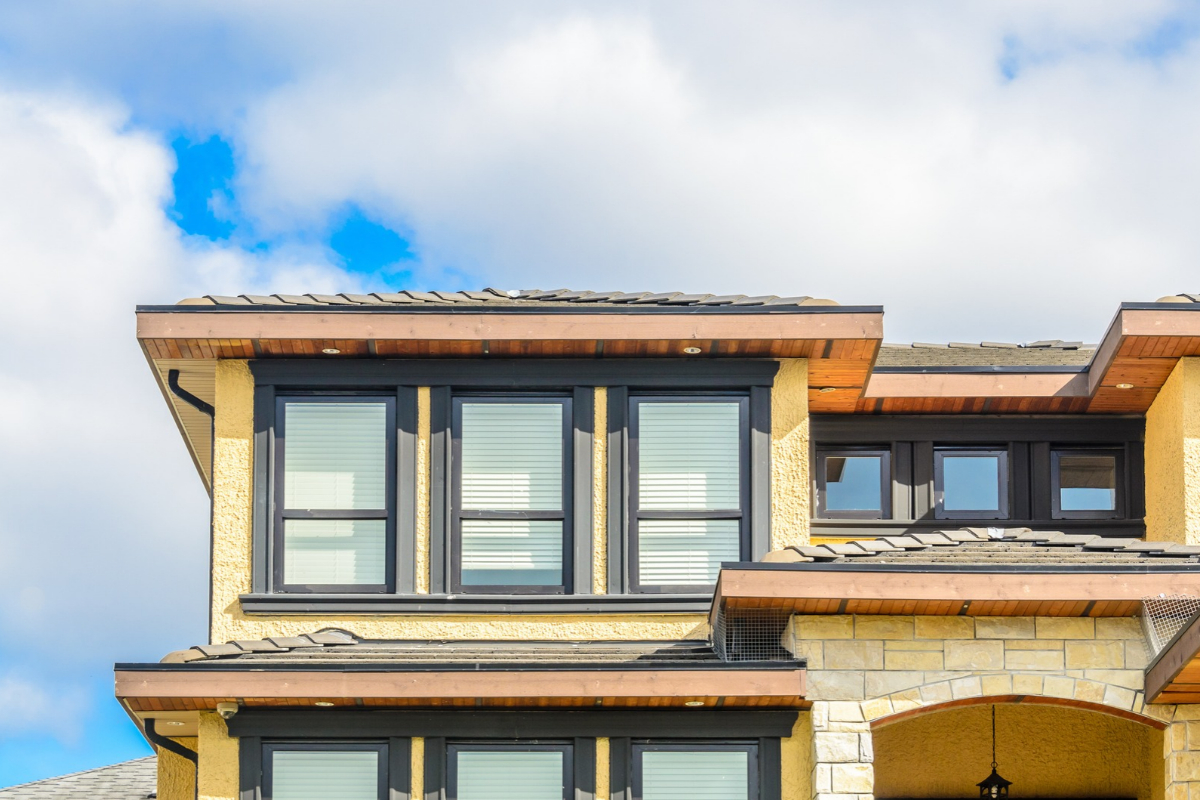
Replacement windows are a long-term investment, so one of the first questions homeowners ask is how many years they can expect new windows to last. It is also a question worth asking about the windows already in the home, because their age can say a lot about whether a window replacement is coming soon.
The short answer is that most residential windows last somewhere between 20 and 40 years. Some last longer, and some fail much sooner.
How long a window actually lasts depends on its frame material, the quality of the product, how well it was installed, how much sun and weather it faces, and how well it has been maintained.
Understanding those factors can help homeowners plan ahead, choose windows that will hold up, and recognize when older windows are reaching the end of their useful life.
How Long Do Windows Typically Last?
Most modern windows are expected to provide roughly 20 to 40 years of service.
That is a wide range, and it is wide for a reason. Two windows installed on the same day can have very different lifespans depending on the product, the installation, and the conditions each window faces.
Age alone does not decide when a window needs replacement. A 30-year-old window that still operates smoothly and seals well may be in better condition than a 12-year-old window that was poorly installed.
Lifespan estimates are best treated as a planning guide rather than an expiration date.
Window Lifespan by Frame Material
The frame material is one of the biggest factors in how long a window lasts. General lifespan ranges for common frame materials are listed below.
-
Vinyl windows often last around 20 to 40 years, depending on product quality and sun exposure
-
Fiberglass windows often last around 30 to 50 years and resist warping and expansion well
-
Aluminum windows often last around 15 to 30 years, although older aluminum windows may perform poorly long before the frame wears out
-
Wood windows often last around 20 to 30 years, and well-maintained wood windows can last considerably longer
-
Clad wood windows can extend the life of wood by protecting the exterior with aluminum or vinyl cladding
These ranges vary by manufacturer and product line. A high-quality vinyl window may outlast a low-quality fiberglass window, and a neglected wood window may fail far earlier than expected.
For a closer look at how materials compare, see our guide to the best window frame material for Southern California homes.
The Glass Often Wears Out Before the Frame
Most modern windows use insulated glass units, which are two or more panes of glass sealed together with a space between them.
The seal around that glass unit can eventually fail. When it does, moisture can enter the space between the panes, causing fog, haze, or condensation that cannot be wiped away.
Seal failure can happen while the frame is still in good condition. In some cases, the glass unit can be replaced without replacing the entire window.
When failed seals appear alongside frame deterioration, operating problems, or drafts, full replacement often makes more sense.
Installation Quality Has a Major Effect on Lifespan
A well-made window can still fail early if it is installed poorly.
Installation problems that can shorten a window’s life include the following.
-
Windows set out of square or out of level
-
Improper support under the frame
-
Gaps or poor sealing around the perimeter
-
Poor water management around the opening
-
Frames forced into openings that are the wrong size
-
Damaged or deteriorated framing left in place
A window that is twisted or stressed in its opening may develop operating problems, seal failure, or water intrusion years before a properly installed window would.
This is why choosing the installer matters as much as choosing the window. Our post on what to expect during a professional window installation explains what a proper installation involves.
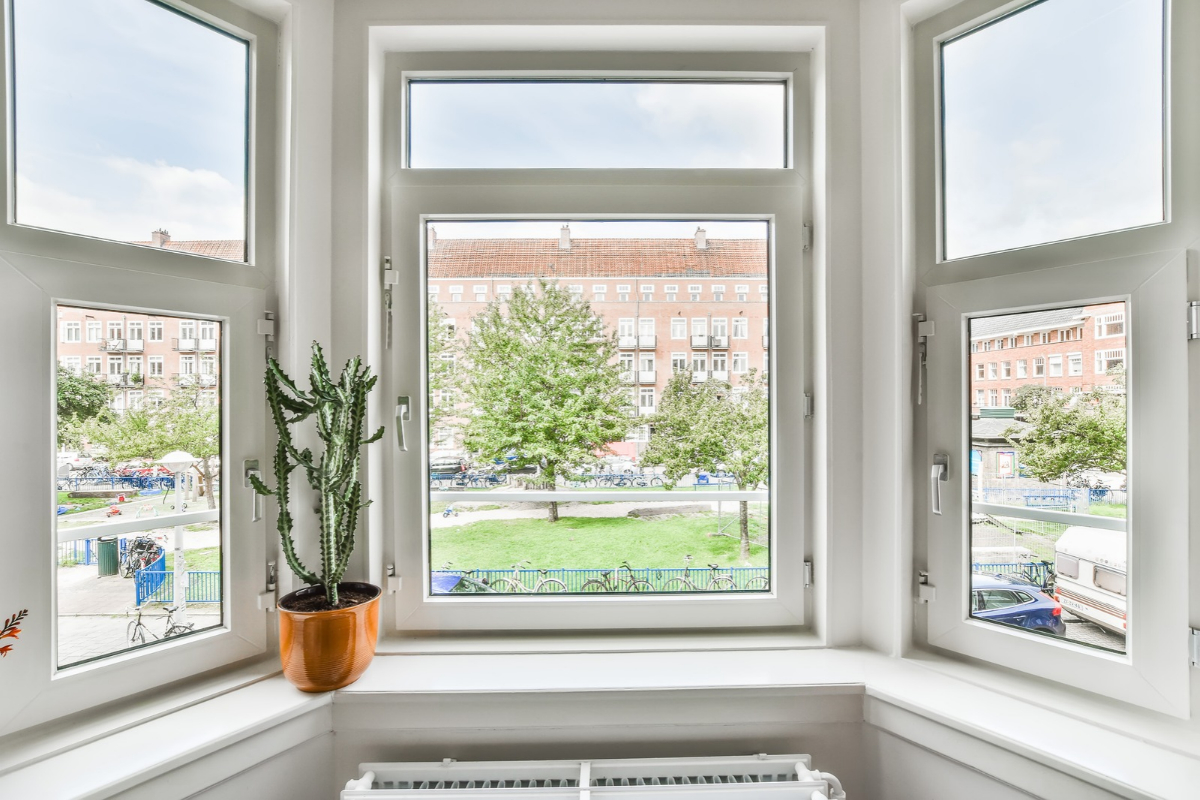
Southern California Sun and Heat Affect How Long Windows Last
Southern California has a mild climate in many ways, but strong sun exposure can be hard on windows over time.
In inland areas such as Upland, Rancho Cucamonga, and Ontario, hot summers and intense afternoon sun can put extra stress on frames, seals, and finishes.
Sun and heat exposure can contribute to the following problems.
-
Fading or chalking of frame finishes
-
Expansion and contraction of frame materials
-
Breakdown of sealants and weatherstripping
-
Faster aging of insulated glass seals
-
Paint failure and drying on wood windows
West- and south-facing windows usually take the most punishment. It is common for windows on the sunniest side of a home to show wear years before windows on the shaded side.
Product Quality Matters
Not all windows of the same material are built the same way.
Differences in frame thickness, reinforcement, corner construction, glass packages, hardware, and weatherstripping can all affect how long a window performs well.
Lower-cost windows may look similar to better products when they are new, but the difference often shows up over time in how well they operate, seal, and hold their shape.
A longer warranty can be a useful signal of how confident a manufacturer is in its product, although homeowners should read what the warranty actually covers.
Maintenance Can Extend the Life of Your Windows
Most modern windows need relatively little maintenance, but a small amount of care can help them last longer.
Helpful maintenance habits include the following.
-
Keeping sliding tracks clean and free of debris
-
Making sure weep holes are not blocked
-
Checking exterior caulking and repairing gaps
-
Cleaning frames with mild soap and water
-
Inspecting weatherstripping for wear
-
Repainting or refinishing wood windows when needed
-
Addressing operating problems early instead of forcing the window
Wood windows depend on maintenance more than any other material. When paint or finish is allowed to fail, moisture can reach the wood and shorten its life considerably.
Signs Your Windows Are Reaching the End of Their Life
Rather than relying only on age, look at how your windows are performing.
Common signs that windows may be nearing the end of their useful life include the following.
-
Fog or moisture between the glass panes
-
Noticeable drafts around the window
-
Windows that are hard to open, close, or lock
-
Warped, cracked, or deteriorating frames
-
Soft or rotting wood
-
Water staining around the window
-
Rooms that feel noticeably hot near the windows
-
Single-pane glass or outdated aluminum frames
One sign by itself does not always mean replacement is needed. Several signs appearing together, especially on older windows, usually point toward replacement. Our post on the signs it’s time to replace your windows covers these problems in more detail.
Older Windows May Still Work but Underperform
Some older windows continue to open and close for decades. That does not always mean they are performing well.
Many older Southern California homes still have original single-pane aluminum windows. These windows may still function, but they typically allow far more heat into the home than modern insulated windows and can make rooms harder to keep comfortable.
In these cases, the question is not only whether the windows still work. It is also whether they are still worth keeping compared with what modern windows can provide.
Does Every Window in the Home Wear Out at the Same Time?
Not usually.
Windows installed at the same time may age at different rates depending on sun exposure, how often they are opened, moisture exposure, and installation quality.
Some homes also have windows from different eras because a previous owner replaced only part of the house.
This is why evaluating each window individually is helpful. Homeowners deciding between a whole-home project and a phased approach can read should you replace all your windows at once.
How Long Do Replacement Windows Last Compared With Original Windows?
Quality replacement windows installed correctly can match or exceed the life of the original windows they replace.
Modern windows benefit from improved frame materials, better insulated glass, Low-E coatings, and better weatherstripping than many windows installed decades ago.
The installation method also matters. A replacement window must be properly fitted and sealed to the existing opening, and the condition of that opening should be inspected before the new window goes in.
Professional Window Installation Matters
The lifespan of a window depends on both the product and the installation.
The installer should measure accurately, inspect the existing opening, choose the right replacement method, set the window square and level, seal the perimeter properly, and confirm that the window operates correctly before the job is finished.
Top Of The Trades provides professional window, patio door, entry door, and gutter installation for Southern California homeowners.
Final Thoughts
Most windows last somewhere between 20 and 40 years, with fiberglass and quality vinyl often at the longer end of that range and neglected wood or older aluminum often at the shorter end.
Frame material, product quality, installation, sun exposure, and maintenance all play a role in how long a window lasts.
Rather than replacing windows based on age alone, look at how they are performing. Windows that fog, leak, stick, or let in excessive heat are often telling you more than the calendar.
Window Replacement With Top Of The Trades
Top Of The Trades provides professional replacement window installation for homeowners in Upland, Rancho Cucamonga, Ontario, Claremont, and surrounding Southern California communities.
If your windows are getting older or showing signs of wear, we can help you evaluate their condition and decide whether replacement makes sense.
Call (800) 868-6130 or text (657) 280-9609 to request a free estimate.
Frequently Asked Questions
1. How Long Do Windows Last on Average?
Most residential windows last around 20 to 40 years. The actual lifespan depends on the frame material, product quality, installation, climate, and maintenance.
2. How Long Do Vinyl Windows Last?
Quality vinyl windows often last around 20 to 40 years. Strong sun exposure and lower-quality products can shorten that range.
3. Which Window Frame Material Lasts the Longest?
Fiberglass windows are generally among the longest lasting, often providing around 30 to 50 years of service. Well-maintained wood windows can also last a very long time.
4. How Long Do Aluminum Windows Last?
Aluminum windows often last around 15 to 30 years. Older aluminum windows may still function after that point but usually perform poorly compared with modern insulated windows.
5. Why Do My Windows Have Fog Between the Glass?
Fog or moisture between panes usually means the seal on the insulated glass unit has failed. Depending on the window, the glass unit may be replaceable, or full replacement may make more sense if the frame is also wearing out.
6. Should I Replace My Windows Just Because They Are Old?
Not necessarily. Windows that still open, close, lock, and seal properly may have useful life remaining. Performance and condition are better guides than age alone.
7. Does the Southern California Sun Shorten Window Life?
Strong sun and heat can speed up wear on frames, finishes, sealants, and glass seals. Windows facing west and south often show wear sooner than windows on shaded sides of the home.
8. Can Maintenance Make My Windows Last Longer?
Yes. Cleaning tracks, keeping weep holes clear, checking caulking, inspecting weatherstripping, and refinishing wood windows when needed can all help extend window life.
9. Does Installation Affect How Long Windows Last?
Yes. Poor installation can lead to operating problems, seal failure, drafts, and water intrusion, even with a high-quality window. Proper fitting, support, and sealing are essential.
10. Who Installs Replacement Windows in Upland and Rancho Cucamonga?
Top Of The Trades provides professional replacement window installation for homeowners in Upland, Rancho Cucamonga, Ontario, Claremont, and surrounding Southern California communities. Call (800) 868-6130 to request a free estimate.
Louis’s Pro Tip
When you are trying to figure out how much life your windows have left, don’t just look at the year they were installed. Open and close each one, lock it, look closely at the glass for haze, and run your hand around the edges on a windy day to feel for air movement. Pay extra attention to the windows that get the hottest afternoon sun, because they usually tell you first when the rest of the house is getting close.