Author: Best Doors Windows Installer Upland

  • Should You Replace All Your Windows at Once?

    Should You Replace All Your Windows at Once?

    A window replacement project can start with one obvious problem. A window may become difficult to open, another may develop moisture between the glass panes, while several others may still appear to function normally.
    That can leave homeowners with an important decision when replacement becomes necessary: should you replace only the windows that are causing problems, or replace all the windows in the home at once?
    The answer depends on much more than the age of the windows.
    The better question is whether replacing all of the windows together provides meaningful advantages based on their condition, performance, appearance, installation needs, and the homeowner’s long-term plans.
    For some homes, replacing every window at once can create a more consistent and efficient result. In other situations, replacing windows in carefully planned phases may be the more practical approach.
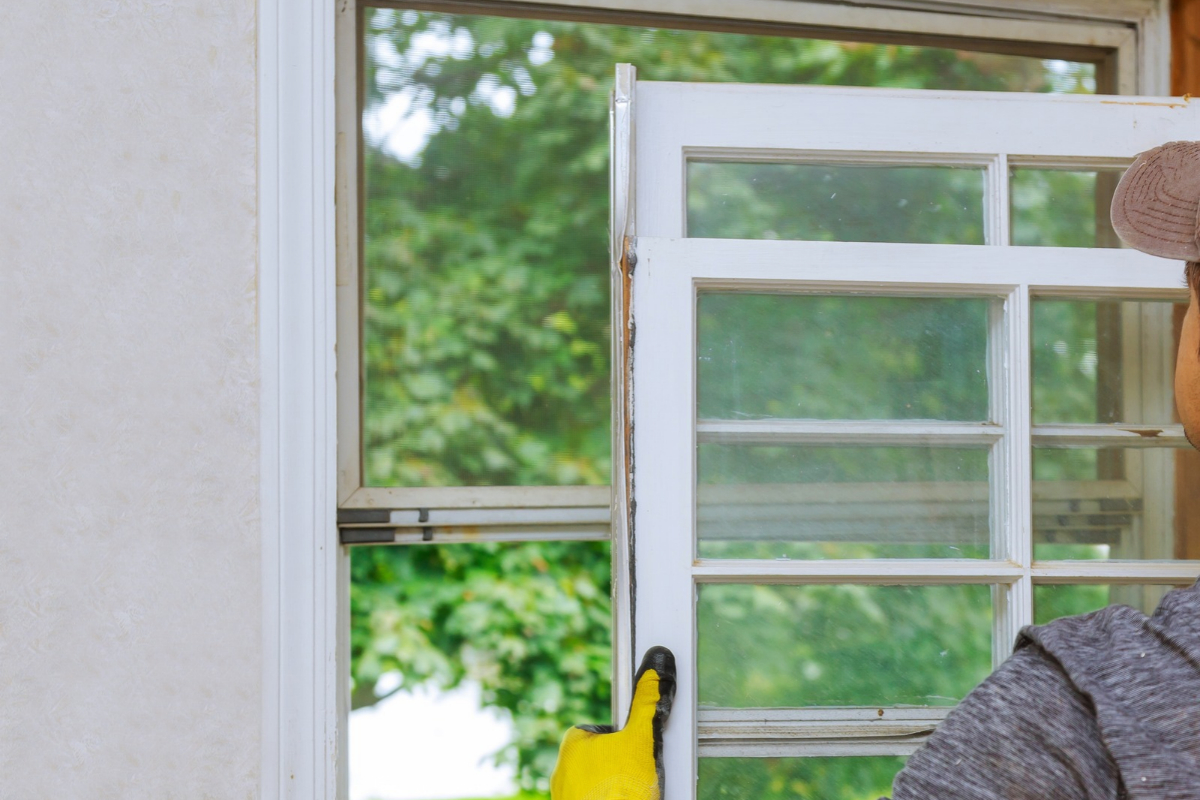
    replace all windows once

    Do You Have To Replace All Your Windows At Once?

    No.
    There is generally no requirement to replace every window in a home simply because one or two windows have developed problems.
    If several windows are still operating properly, sealing well, and meeting the homeowner’s needs, replacing only the deteriorated units may be reasonable.
    However, when most of the home’s windows are similar in age and beginning to show the same types of problems, replacing them together may prevent homeowners from repeating the same project several times over the next few years.
    The decision should be based on the condition of the complete window system throughout the home rather than assuming that either full replacement or partial replacement is always better.

    Consider The Age And Condition Of All The Windows

    Windows installed at the same time are often exposed to similar years of weather, temperature changes, opening and closing, and normal wear.
    That does not mean every window will deteriorate at the same rate.
    Windows on different sides of a home can experience very different conditions.
    For example:
    • West-facing windows may receive stronger afternoon sun
    • South-facing windows may experience significant solar exposure
    • Windows protected by patios or roof overhangs may age more slowly
    • Frequently opened windows may wear faster than fixed windows
    • Certain rooms may have more moisture exposure
    • Poorly installed windows may develop problems sooner than others
    Before deciding to replace every window, inspect each unit individually while also considering the overall age of the home’s window system.

    Several Windows Are Showing The Same Problems

    Replacing all the windows becomes more reasonable when problems are appearing throughout the house rather than being isolated to one opening.
    Common signs may include:
    • Drafts around several windows
    • Multiple windows that are difficult to open or close
    • Failed insulated glass seals
    • Fog or moisture between glass panes
    • Damaged or deteriorated frames
    • Loose locks or operating hardware
    • Noticeable heat near multiple windows
    • Water intrusion around several openings
    When these problems are occurring across many windows of similar age, replacing only one window may simply postpone the same decision for the rest of the home.

    Replacing All Windows Can Create A Consistent Appearance

    Windows affect the appearance of both the interior and exterior of a home.
    Replacing only a few units can sometimes result in noticeable differences between the new and existing windows.
    Differences may involve:
    • Frame color
    • Frame thickness
    • Glass appearance
    • Grid patterns
    • Hardware
    • Window style
    • Exterior trim
    This may not matter when the windows are located on different sides of the house.
    It may be more noticeable when old and new windows sit next to one another on the same elevation.
    Replacing windows together can make it easier to maintain a consistent design throughout the home.

    Matching Existing Windows Later May Be Difficult

    Home improvement products change over time.
    A window style, frame profile, color, grid pattern, hardware finish, or glass package available today may not be available several years from now.
    Manufacturers may discontinue products or update designs.
    This does not necessarily mean homeowners should replace good windows simply to avoid a future matching issue.
    However, homeowners planning a phased replacement should understand that obtaining an identical product later cannot always be guaranteed.
    This is especially important when architectural consistency is a major priority.

    Whole-Home Replacement Can Improve Overall Window Performance

    Replacing one inefficient window improves only that opening.
    If the rest of the house still has older windows with air leakage, outdated glass, worn weatherstripping, or deteriorating frames, those windows continue to influence comfort and performance.
    Replacing all older windows can provide a more consistent building envelope when the new products are properly selected and installed.
    Potential improvements may include:
    • Reduced air leakage around deteriorated windows
    • Improved insulating glass performance
    • Low-E glass where appropriate
    • More consistent operation
    • Improved weather sealing
    • More consistent indoor comfort near windows
    Windows are only one part of a home’s overall energy performance.
    Insulation, HVAC equipment, air sealing, roof conditions, sun exposure, shading, and homeowner habits also affect indoor comfort.

    Southern California Sun Exposure Matters

    Window performance can be particularly important in Southern California homes exposed to strong sunlight.
    West- and southwest-facing windows may receive significant afternoon sun, which can make certain rooms feel noticeably warmer.
    When multiple older windows allow substantial solar heat into the home, replacing only one window may produce a limited difference.
    A whole-home replacement project provides an opportunity to evaluate the glass package and window configuration throughout the house.
    However, every side of the home does not necessarily need exactly the same solution.
    Window selection should consider orientation, room use, shading, ventilation needs, and architectural design.
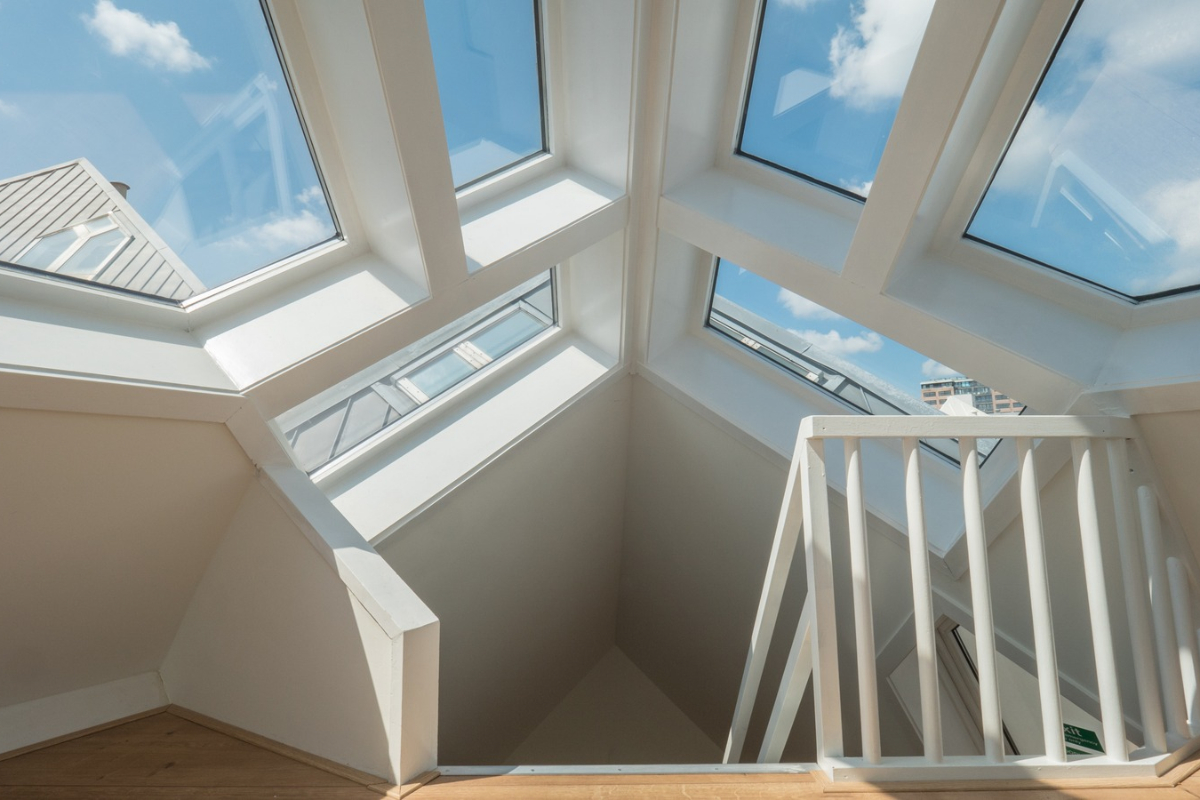
    replace all windows once

    You May Be Able To Replace Windows In Phases

    Homeowners who are not ready to replace every window at once can often divide the project into logical phases.
    A phased replacement can be organized by:
    • Floor
    • Side of the home
    • Room
    • Window condition
    • Sun exposure
    • Priority
    For example, homeowners might replace the most deteriorated west-facing windows first and complete the remaining windows later.
    Another homeowner may replace all front-facing windows together to maintain a consistent exterior appearance while postponing less visible windows at the rear of the home.
    A planned approach is generally better than randomly replacing individual windows without considering how the entire project will eventually fit together.

    Which Windows Should Be Replaced First?

    If the project needs to be divided into phases, prioritize windows based on condition and performance rather than simply choosing the easiest rooms.
    Windows that may deserve earlier attention include those with:
    • Water intrusion
    • Frame deterioration
    • Failed insulated glass
    • Serious air leakage
    • Broken locks
    • Operating problems
    • Safety concerns
    • Excessive heat gain
    A qualified installer can help identify which windows have actual performance problems and which ones may still have useful service life remaining.

    Foggy Windows Do Not Always Mean Every Window Needs Replacement

    Fog or moisture trapped between glass panes usually indicates that the seal in an insulated glass unit has failed.
    This problem may occur in one window before appearing anywhere else in the home.
    A single failed glass unit does not automatically mean every window needs replacement.
    Depending on the window system, it may sometimes be possible to replace the insulated glass unit while keeping the existing frame.
    Complete replacement becomes more reasonable when the failed glass is only one of several problems involving the frame, operation, locks, weatherstripping, and overall performance.

    Drafty Windows Should Be Evaluated Individually

    A draft does not automatically mean a window needs to be replaced.
    Air leakage may result from:
    • Worn weatherstripping
    • Poor adjustment
    • Failed perimeter sealant
    • Improper installation
    • Frame deterioration
    • An older window design
    If only one window has a repairable sealing problem, replacing the entire house would usually be unnecessary.
    If many windows have recurring air leaks because the complete system is aging, whole-home replacement may deserve consideration.

    Windows That Are Hard To Open May Be Repairable

    A window should open and close without requiring excessive force.
    Difficulty operating a window can result from worn hardware, dirt, damaged balances, frame movement, swelling, poor adjustment, or deterioration.
    Some of these conditions can be repaired.
    When many windows throughout the home are difficult to operate and the units are already aging, replacement may provide a more practical long-term solution than repairing individual components one at a time.

    Consider Whether You Want To Change Window Styles

    Replacing windows gives homeowners an opportunity to reconsider how each opening functions.
    You do not necessarily have to replace every old window with exactly the same style.
    Depending on the opening and architectural requirements, homeowners may consider options such as:
    • Single-hung windows
    • Double-hung windows
    • Casement windows
    • Sliding windows
    • Awning windows
    • Picture windows
    • Bay windows
    The appropriate style depends on ventilation, available space, view, architectural appearance, operation, and homeowner preference.
    Top Of The Trades installs replacement windows for homeowners throughout Upland, Rancho Cucamonga, Ontario, Claremont, and surrounding Southern California communities.

    Replacing Several Windows Together Can Simplify Installation

    A whole-home window project allows measurements, ordering, preparation, installation, adjustment, cleanup, and final inspection to be coordinated as one larger project.
    Replacing windows individually over many years means repeating portions of that process each time another window reaches the end of its useful life.
    This does not make whole-home replacement automatically better.
    It simply means homeowners should consider the practical difference between completing the project once and scheduling several smaller projects.

    Installation Quality Matters More Than The Number Of Windows

    Replacing every window at once does not provide an advantage if the installation is poor.
    A replacement window must be properly measured, positioned, supported, sealed, adjusted, and integrated with the existing opening.
    The installer should also inspect surrounding conditions rather than treating the project as simply removing one window and inserting another.
    Important considerations can include:
    • Opening dimensions
    • Whether the opening is square
    • Frame condition
    • Exterior stucco or siding
    • Water drainage
    • Existing damage
    • Interior trim
    • Proper perimeter sealing
    Even a high-quality replacement window can perform poorly when installed into an improperly prepared or poorly sealed opening.
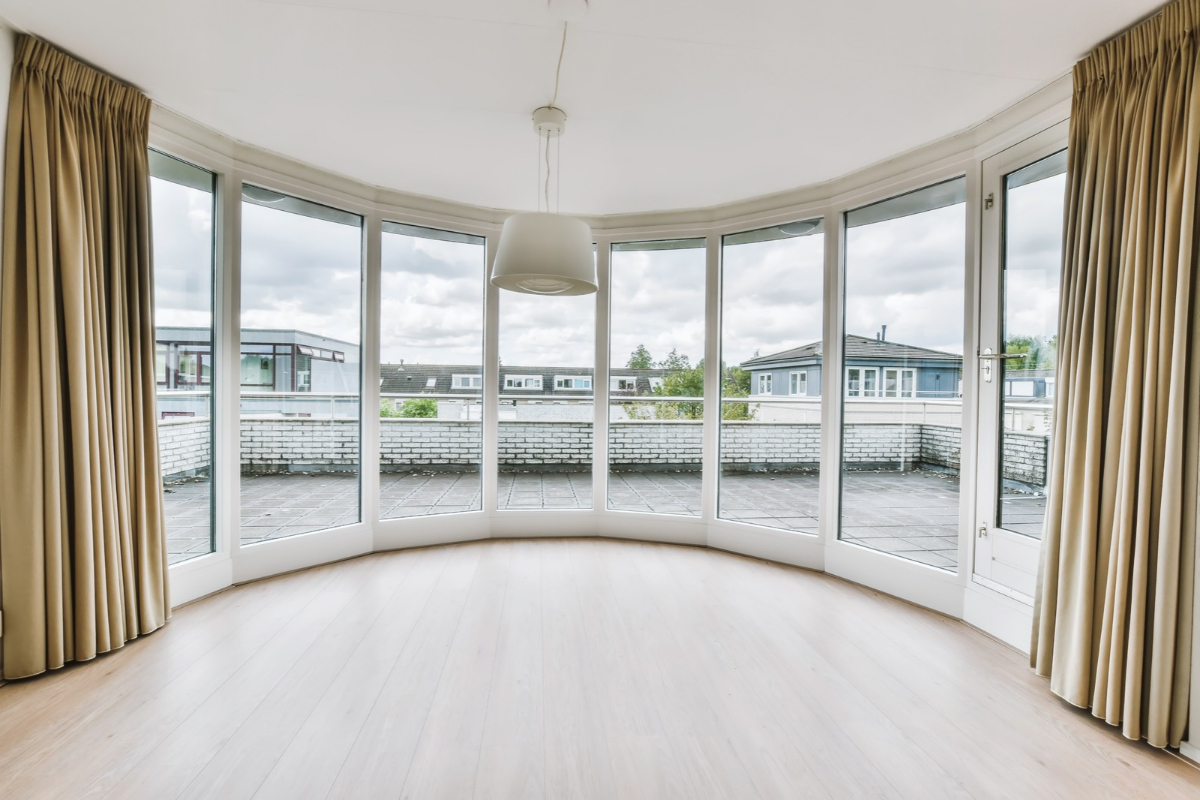
    replace all windows once

    Should You Replace Good Windows Just Because Other Windows Are Failing?

    Not necessarily.
    A window that operates correctly, seals properly, has intact glass, and continues to meet the homeowner’s needs may not need replacement simply because another part of the house has failing windows.
    This is especially true when the home’s windows were installed at different times.
    For example, a previous homeowner may have replaced the front windows ten years after the rear windows were installed.
    In that situation, the two groups of windows should not automatically be treated as if they are the same age or condition.
    Evaluate what is actually installed before deciding on the scope of the project.

    Should You Replace Windows Before Remodeling?

    The timing of window replacement can matter when homeowners are planning a larger renovation.
    Projects involving exterior finishes, interior trim, kitchens, bathrooms, flooring, stucco, siding, or major room changes may affect or be affected by window replacement.
    Coordinating projects can sometimes prevent finished surfaces from being disturbed unnecessarily later.
    Homeowners planning significant remodeling should discuss the project sequence with their contractors before ordering windows.

    Should You Replace All Windows Before Selling A Home?

    There is no universal rule that every older window must be replaced before a home is sold.
    The decision depends on their condition and the homeowner’s plans.
    Windows with obvious problems such as failed glass, visible deterioration, broken locks, water intrusion, or severe operating problems may attract attention during a sale or inspection.
    Windows that remain functional and in acceptable condition may not justify complete replacement solely because of their age.
    The decision should be evaluated as part of the overall condition of the property rather than assuming that every improvement will produce the same return.

    Whole-Home Replacement Is Not Always The Right Answer

    Replacing all windows may make sense when:
    • Most windows are similar in age
    • Problems are appearing throughout the home
    • You want consistent appearance and operation
    • Many windows have failed seals or damaged frames
    • The existing windows no longer provide the desired comfort or performance
    • You plan to remain in the home long enough to benefit from the improvement
    Partial replacement may make more sense when:
    • Only a few windows have problems
    • Other windows were replaced more recently
    • The remaining windows are operating and sealing properly
    • The project can be divided into logical phases
    • Certain windows have substantially more sun or weather exposure than others
    The correct scope should be based on the actual condition of the home rather than a predetermined rule.

    Have The Entire Home Evaluated Before Deciding

    If you are considering replacing several windows, it can be helpful to evaluate all of the existing windows before ordering anything.
    An experienced window installer should look at:
    • Window operation
    • Glass condition
    • Frame condition
    • Weatherstripping
    • Exterior sealing
    • Signs of water intrusion
    • Sun exposure
    • Existing window styles
    • Ventilation needs
    • Homeowner priorities
    This allows the windows to be divided into three practical groups: windows that should be replaced now, windows that may need replacement in the near future, and windows that remain in acceptable condition.
    That information can make it much easier to decide whether a whole-home project or phased replacement makes more sense.

    Professional Window Installation Matters

    The long-term performance of replacement windows depends on both the product and the installation.
    The installer must correctly measure the opening, determine the appropriate replacement method, prepare the surrounding area, position the window square and level, properly seal the perimeter, adjust the operating components, and inspect the completed installation.
    Top Of The Trades provides professional window, patio door, entry door, and gutter installation for Southern California homeowners.
    Homeowners considering a whole-home window replacement should evaluate the installer as carefully as they evaluate the window itself.

    Final Thoughts

    You do not have to replace all of your windows at once simply because several windows are aging.
    When only one or two windows have isolated problems and the remaining units continue to operate, seal, and perform properly, replacing only the affected windows may be reasonable.
    Whole-home replacement becomes more practical when windows throughout the house are similar in age and beginning to develop failed seals, drafts, operating problems, deterioration, or performance issues at approximately the same time.
    The decision should also consider appearance, product matching, future remodeling plans, sun exposure, and whether you prefer to complete the project at once or in carefully planned phases.
    The best approach starts with inspecting all of the windows rather than deciding how many to replace before understanding their actual condition.

    Window Replacement With Top Of The Trades

    Top Of The Trades provides professional replacement window installation for homeowners in Upland, Rancho Cucamonga, Ontario, Claremont, and surrounding Southern California communities.
    Whether you have one failing window, several aging windows, or are considering replacing the windows throughout your home, the first step should be evaluating each opening and determining which windows actually need attention.
    Call (800) 868-6130 or text (657) 280-9609 to request a free estimate.

    Frequently Asked Questions

    1. Should You Replace All Your Windows At Once?

    Not necessarily. Replacing all windows at once may make sense when most of the windows are similar in age and showing signs of deterioration or poor performance. If only a few windows have problems and the others remain in good condition, partial replacement may be appropriate.

    2. Is It Okay To Replace Windows One At A Time?

    Yes. Windows can often be replaced individually. Homeowners planning to replace windows over several years should consider whether matching frame styles, colors, grids, hardware, and other product features will remain available later.

    3. Which Windows Should I Replace First?

    Prioritize windows with water intrusion, deteriorated frames, failed glass seals, serious drafts, broken locks, operating problems, or other conditions affecting performance or safety.

    4. Should I Replace A Window That Has Moisture Between The Glass?

    Moisture between panes typically indicates a failed insulated glass seal. Depending on the window, the glass unit may sometimes be replaced without replacing the entire frame. Complete replacement may make more sense when other parts of the window are also deteriorating.

    5. Should I Replace Drafty Windows?

    Not automatically. Drafts may result from worn weatherstripping, failed sealant, poor adjustment, improper installation, or deterioration. The cause should be identified before deciding whether replacement is necessary.

    6. Can I Replace Half My Windows Now And The Rest Later?

    Yes. A phased replacement can be organized by room, floor, side of the home, condition, or priority. Planning the phases in advance can help maintain a more consistent appearance and product selection.

    7. Will New Windows Make My Home Cooler?

    Properly selected replacement windows can help reduce heat transfer compared with some older windows, particularly when appropriate insulated glass and Low-E coatings are used. Overall comfort also depends on insulation, HVAC performance, shading, orientation, and other factors.

    8. Do All Replacement Windows Need To Be The Same Style?

    No. Different window styles can be used according to the function of each room and opening. Homeowners may combine sliding, casement, hung, picture, awning, or other window styles while maintaining a coordinated overall design.

    9. How Do I Know Which Windows Still Have Useful Life Left?

    Evaluate whether each window opens and closes properly, locks securely, remains free of failed glass seals, shows no significant frame deterioration, and continues to seal effectively against air and water. A professional inspection can help identify which windows need immediate replacement and which may remain serviceable.

    10. Who Installs Replacement Windows In Upland And Rancho Cucamonga?

    Top Of The Trades provides professional replacement window installation for homeowners in Upland, Rancho Cucamonga, Ontario, Claremont, and surrounding Southern California communities. Call (800) 868-6130 to discuss your windows or request a free estimate.
    Louis’s Pro Tip
    Before deciding to replace every window in your home, walk through each room and test every window individually. Open it, close it, lock it, inspect the glass, look around the frame for deterioration or water staining, and check whether you feel air movement around the perimeter. Then compare the windows as a group. If problems are appearing throughout the house, replacing them together may make sense. If only a few windows are failing, a carefully planned phased replacement may be the better approach.
  • When Should You Replace a Patio Door?

    When Should You Replace a Patio Door?

    A patio door is easy to ignore when it still opens and closes, but that does not always mean it is performing the way it should.
    Older sliding and French patio doors can gradually develop problems with operation, air leakage, water intrusion, glass seals, locks, rollers, tracks, frames, and overall energy performance. Because these changes often happen slowly, homeowners may adapt to a door that has become increasingly difficult to use without realizing how much the system has deteriorated.
    The important question is not simply how old the patio door is.
    The better question is whether the complete door system is still operating, sealing, draining, and securing the home properly.
    Some problems can be repaired. Others are signs that replacing the patio door may make more sense than continuing to repair an aging system.

    Your Patio Door Is Becoming Difficult To Open

    A sliding patio door should move smoothly along its track without requiring excessive force.
    If you regularly have to pull, lift, push, or shake the door to get it moving, something is no longer working correctly.
    Common causes include:
    • Worn rollers
    • Damaged roller assemblies
    • A bent or worn track
    • Debris in the track
    • A door that has fallen out of adjustment
    • Frame movement
    • An opening that is no longer square
    A roller adjustment or repair may solve a relatively minor problem.
    However, when the door has been repeatedly adjusted, the track is badly worn, the frame is deteriorating, or several components are failing at the same time, replacement may be the more practical long-term solution.

    The Door No Longer Closes Or Locks Correctly

    A patio door that does not close properly is more than an inconvenience.
    It can affect security, weather protection, and energy efficiency.
    Signs of a closing problem may include:
    • The latch no longer lines up with the strike
    • The door must be lifted before it will lock
    • The panel does not sit evenly in the frame
    • There is visible daylight around the door
    • The lock feels loose or unreliable
    • The door moves after it has been locked
    Sometimes the solution is an adjustment, replacement lock, or roller repair.
    If the frame itself has shifted, deteriorated, or become distorted, simply replacing the lock may not correct the real problem.

    You Can Feel Air Coming Through The Door

    One of the clearest signs of an aging patio door is noticeable air leakage.
    Stand near the closed door on a windy day. If you can feel air moving around the meeting rail, frame, bottom track, or perimeter, the door may no longer be sealing properly.
    Air leakage may result from worn weatherstripping, poor adjustment, damaged seals, frame movement, or an older door design that does not perform as well as newer systems.
    Weatherstripping can often be replaced, so a draft does not automatically mean that the entire patio door needs to be removed.
    However, when the door has multiple air leaks, worn components, damaged framing, and outdated glass, replacement may provide a more complete solution than repairing one problem at a time.

    There Is Fog Or Moisture Between The Glass Panes

    Condensation on the room-side surface of glass is different from moisture trapped between the panes.
    If a dual-pane patio door becomes cloudy, hazy, or visibly wet between the glass layers, the insulated glass seal has likely failed.
    Once moisture enters the sealed glass unit, wiping the inside or outside surface will not remove it.
    In some situations, the insulated glass unit can be replaced without replacing the entire patio door.
    That may make sense when:
    • The frame is still in excellent condition
    • The rollers and track operate properly
    • The locking system works correctly
    • The door is otherwise relatively modern
    If the failed glass is only one of several problems with an older system, investing in a complete replacement may make more sense.

    Water Is Getting Around Or Under The Patio Door

    Water around a patio door should never be ignored.
    The source needs to be identified before deciding whether the door itself is responsible.
    Possible causes include:
    • Failed exterior sealant
    • Improper flashing
    • A damaged threshold or sill
    • Clogged drainage paths
    • Improper patio slope
    • Sprinkler exposure
    • Roof or gutter runoff
    • Improper original installation
    Replacing a patio door without identifying where the water is coming from can leave the homeowner with the same problem after the new door is installed.
    A qualified installer should evaluate the entire opening, not simply assume that every leak means the door needs replacement.
    when should replace patio door

    The Frame Has Rot Or Water Damage

    Wood deterioration around a patio door is a more serious warning sign.
    Look closely at the bottom corners of the frame, threshold area, exterior trim, and surrounding wall.
    Signs of moisture-related deterioration may include:
    • Soft wood
    • Peeling paint
    • Swollen trim
    • Discoloration
    • Cracking
    • Visible rot
    • Repeated caulking repairs
    Minor deterioration may sometimes be repaired.
    More extensive damage can require removal of the existing patio door so the opening can be properly inspected and repaired before a new unit is installed.

    The Track Is Damaged Or Badly Worn

    The track is one of the most important parts of a sliding patio door.
    Rollers need a relatively smooth, straight surface in order to move properly.
    Years of use can wear the track down. Heavy doors, failed rollers, dirt, corrosion, and repeated dragging can also damage the running surface.
    A minor track problem may sometimes be repaired.
    When the track has become severely worn, bent, broken, or damaged as part of an older frame, complete patio door replacement may be more reliable than continuing to repair the operating components.

    The Glass No Longer Meets Your Needs

    A patio door can still operate while no longer providing the comfort or performance the homeowner wants.
    Older patio doors may have glass that allows more heat transfer than newer energy-efficient systems.
    In Southern California, this can become particularly noticeable when a large patio door receives strong afternoon sun.
    Homeowners may consider replacement because they want:
    • Improved insulating performance
    • Low-E glass
    • Better solar heat control
    • Reduced drafts
    • Improved comfort near the glass
    • Updated safety glass
    The glass area in a patio door can be substantial, so the performance of the glass can influence how comfortable the surrounding room feels.

    The Door Lets In Too Much Heat

    Patio doors facing west or southwest can receive intense afternoon sun in Upland, Rancho Cucamonga, Ontario, and surrounding Southern California communities.
    If the room next to the patio door becomes noticeably hotter during the afternoon, the glass and overall door system may be contributing to the heat gain.
    That does not mean every warm room needs a new patio door. Roof insulation, window exposure, shading, HVAC performance, and other factors also matter.
    However, replacing an older patio door with a properly selected energy-efficient system can be part of improving comfort in a heavily exposed room.

    The Door Has Become A Security Concern

    A patio door should close securely and provide confidence that the locking system is working as designed.
    Older sliding doors may have worn latches, damaged keepers, loose handles, deteriorated frames, or panels that no longer align correctly.
    Security is not determined by the lock alone.
    The complete system matters, including:
    • The door frame
    • Panel alignment
    • Locking hardware
    • Glass
    • Fasteners
    • Installation quality
    If the door no longer closes firmly or the locking components cannot be made reliable through normal repair, replacement should be considered.

    You Are Constantly Repairing The Same Door

    One repair does not usually justify replacing an entire patio door.
    Repeated repairs are different.
    If you have already replaced rollers, adjusted the door several times, repaired locks, replaced weatherstripping, addressed leaks, and still have problems, the total cost and inconvenience of continuing repairs should be considered.
    At some point, replacing the entire system can be more practical than keeping an aging door alive one component at a time.
    The decision should consider the condition of the complete unit rather than any one repair bill.

    The Patio Door No Longer Fits The Way You Use The Home

    Not every patio door replacement begins with a broken door.
    Sometimes the existing door simply does not fit the way the homeowner wants to use the space.
    A homeowner may want:
    • A wider opening
    • More glass and natural light
    • A different operating configuration
    • French doors instead of a slider
    • A sliding door instead of swinging doors
    • A more contemporary appearance
    • Improved access to a patio or backyard
    A properly planned patio door replacement can change both the appearance and function of the room.
    when should replace patio door

    Should You Repair Or Replace The Patio Door?

    Repair often makes sense when the patio door is structurally sound and the problem is limited to one serviceable component.

    Repair May Make Sense When:

    • The rollers need adjustment or replacement
    • The weatherstripping is worn
    • The lock or handle needs replacement
    • The track needs minor repair
    • Only the insulated glass unit has failed
    • The frame is still straight and structurally sound

    Replacement May Make More Sense When:

    • Several components are failing
    • The frame is damaged or deteriorated
    • The door repeatedly falls out of adjustment
    • Water intrusion has damaged the opening
    • The door no longer locks reliably
    • The glass, frame, rollers, and seals are all aging
    • You want significantly better energy performance
    • You want to change the style or configuration
    A knowledgeable contractor should explain both options when repair is realistic rather than automatically recommending replacement.

    Do Not Judge A Patio Door Only By Its Age

    There is no single age at which every patio door must be replaced.
    Two doors installed in the same year can age very differently.
    Performance depends on factors such as:
    • Installation quality
    • Product quality
    • Sun exposure
    • Rain exposure
    • How frequently the door is used
    • Maintenance
    • Drainage around the opening
    • Movement in the home
    A heavily used patio door exposed to direct afternoon sun and weather may develop problems much sooner than a protected door under a deep patio cover.
    Condition matters more than the calendar.

    The Opening Should Be Inspected Before Ordering A New Door

    Replacing a patio door begins with more than measuring the width and height.
    An experienced installer should evaluate:
    • Whether the opening is square and level
    • The condition of the existing frame
    • Floor and patio height
    • Water drainage
    • Exterior stucco or siding
    • Interior flooring
    • Sun exposure
    • Existing damage
    • The desired operating direction
    A new patio door can only perform as well as the opening and installation allow.
    Installing an expensive door into a poorly prepared or improperly sealed opening can create many of the same problems the homeowner was trying to eliminate.

    Sliding Patio Door Or French Doors?

    Replacement also gives homeowners an opportunity to reconsider the style of the opening.
    Top Of The Trades offers patio door options including sliding and French-style doors for Southern California homeowners. The company serves Upland, Rancho Cucamonga, Ontario, Claremont, and surrounding communities.

    Sliding Patio Doors

    A sliding door does not require floor space for the panel to swing. This can make it practical where furniture, patios, or interior layouts limit clearance.
    Sliding doors can also provide a large glass area and a relatively clean, contemporary appearance.

    French Patio Doors

    French doors can provide a more traditional architectural appearance and may work particularly well with certain home styles.
    Because the doors swing, available interior or exterior clearance becomes important.
    Neither style is automatically better. The right choice depends on the opening, available space, architectural design, desired ventilation, traffic pattern, and homeowner preference.

    Professional Installation Matters As Much As The Door

    A quality patio door can still perform poorly if the installation is wrong.
    The installer must properly measure and prepare the opening, set the frame square and level, support the sill, seal the perimeter, adjust the panels, confirm the locking system, and account for exterior drainage and weather exposure.
    Top Of The Trades specializes in professional installation of patio doors, entry doors, windows, and other home improvement products.
    The product and the installation should be evaluated together rather than treating them as separate decisions.

    Final Thoughts

    You do not need to replace a patio door simply because it has reached a certain age.
    Replacement becomes more reasonable when the door has several significant problems, including difficult operation, failed seals, air leakage, water damage, unreliable locks, damaged framing, worn tracks, or repeated repair needs.
    A patio door that has one isolated problem may still have many years of useful service left after a proper repair.
    The best decision comes from evaluating the entire door system.
    Look at how it operates, how it seals, how it drains, how securely it locks, how the frame has held up, and whether the glass still provides the comfort and performance you want.
    If several of those areas are failing at once, replacement may be a better investment than continuing to repair the same aging system.

    Patio Door Replacement With Top Of The Trades

    Top Of The Trades provides professional patio door, entry door, window, and gutter installation for homeowners in Upland, Rancho Cucamonga, Ontario, Claremont, and surrounding Southern California communities.
    Whether your existing patio door is difficult to operate, allowing drafts, showing signs of water damage, or simply no longer fits the design of your home, the first step should be evaluating the complete opening before choosing a replacement.
    Call (800) 868-6130 or text (657) 280-9609 to request a free estimate.

    Frequently Asked Questions

    1. How Do I Know When My Patio Door Needs To Be Replaced?

    Replacement may be worth considering when the door has several problems at the same time, such as difficult operation, drafts, failed glass seals, water intrusion, frame deterioration, damaged tracks, or an unreliable locking system. A single isolated problem may still be repairable.

    2. Should I Replace A Patio Door That Is Hard To Open?

    Not automatically. Worn rollers, track debris, or adjustment problems may sometimes be repaired. Replacement becomes more reasonable when the track or frame is badly damaged or the door continues to operate poorly after repeated repairs.

    3. Can Foggy Patio Door Glass Be Repaired?

    In some systems, a failed insulated glass unit can be replaced while keeping the existing frame. Whether that makes sense depends on the age and overall condition of the patio door.

    4. Should I Replace A Patio Door If I Feel A Draft?

    Worn weatherstripping or adjustment problems can sometimes cause drafts and may be repairable. If an older door has multiple air leaks, failed seals, worn components, and outdated glass, replacement may provide a more complete solution.

    5. Why Is Water Coming In Around My Patio Door?

    Water can enter because of failed sealant, drainage problems, damaged flashing, frame deterioration, improper patio slope, sprinkler exposure, or installation problems. The source should be identified before deciding whether the door needs replacement.

    6. Is It Better To Repair Or Replace A Sliding Patio Door?

    Repair is often appropriate when the frame and door are structurally sound and only rollers, locks, weatherstripping, or another serviceable component needs attention. Replacement may make more sense when several major components are deteriorating at the same time.

    7. Can A New Patio Door Help Keep My Home Cooler?

    A properly selected energy-efficient patio door can help reduce heat transfer compared with some older systems, particularly when modern insulating glass and Low-E coatings are used. Overall room comfort also depends on sun exposure, insulation, HVAC performance, and shading.

    8. Can I Replace A Sliding Door With French Doors?

    In many openings, converting from a sliding patio door to French doors may be possible. The opening dimensions, framing, threshold, flooring, swing clearance, exterior conditions, and installation requirements should be evaluated before ordering the new doors.

    9. Does A New Patio Door Require A New Frame?

    That depends on the replacement method and condition of the existing system. If the frame is damaged, deteriorated, poorly installed, or incompatible with the new door, removing and replacing the complete unit may be the better approach.
    10. Who Installs Patio Doors In Upland And Rancho Cucamonga?

    Top Of The Trades provides patio door installation for homeowners in Upland, Rancho Cucamonga, Ontario, Claremont, and surrounding Southern California communities. Homeowners can call (800) 868-6130 to discuss patio door options or request an estimate.
    Louis’s Pro Tip
    Before deciding to replace a patio door, operate it several times and inspect the entire opening from both inside and outside. Look at the rollers, track, frame, glass, lock, weatherstripping, exterior sealant, patio height, and drainage. The real problem is often easier to understand when you evaluate the complete system instead of focusing only on the part that is currently bothering you.
  • Should You Buy a Wood or Fiberglass Entry Door?

    Should You Buy a Wood or Fiberglass Entry Door?

    Should You Buy a Wood or Fiberglass Entry Door?

    Homeowners often ask whether fiberglass is better than wood for an entry door.
    The honest answer is:
    Not always.
    Fiberglass and wood can both be excellent choices. The right material depends on the home, the exposure, the desired appearance, the available sizes and styles, the budget, and how much maintenance the homeowner is willing to perform.
    There is no single material that is best for every opening.

    Fiberglass Is Generally More Stable

    Fiberglass usually has an advantage when it comes to dimensional stability.
    Compared with wood, fiberglass is generally less likely to:
    • Warp
    • Split
    • Swell
    • Shrink
    • Crack from changing weather conditions
    That makes fiberglass a strong option for doors that receive heavy sun, rain, or changing temperatures.
    In Southern California, direct afternoon sun can be extremely hard on an entry door. A fiberglass door will usually tolerate that exposure better than an improperly protected or poorly maintained wood door.
    However, fiberglass should not be described as maintenance-free.

    Fiberglass Doors Still Require Maintenance

    Many homeowners are told that fiberglass doors never need maintenance. That is not accurate.
    The door slab may resist moisture and movement better than wood, but the unit still includes:
    • A frame
    • Weatherstripping
    • Threshold
    • Door bottom
    • Hardware
    • Exterior sealants
    • Paint or stain
    Many fiberglass doors are installed in wood frames. The fiberglass slab may remain in good condition while the bottom of the wood jamb begins to deteriorate from moisture.
    Composite or vinyl jamb options can reduce the risk of rot, although every material has its own advantages and tradeoffs.
    The finish on a fiberglass door can also fade, peel, or deteriorate over time, especially when the door receives strong sunlight.
    Factory finishes can be attractive and durable, but they do not last forever.

    Wood Has a Beauty Fiberglass Cannot Fully Duplicate

    Fiberglass manufacturers have become very good at producing realistic woodgrain textures.
    High-quality fiberglass doors can look extremely convincing, especially from a distance. However, real wood still has natural characteristics that are difficult to reproduce.
    Wood contains:
    • Natural grain variation
    • Color differences
    • Knots and mineral streaks
    • Changes in texture
    • Unique patterns in every door
    Some people call those characteristics imperfections. Others believe they are exactly what makes a wood door beautiful.
    A real wood door has warmth and individuality that fiberglass can imitate but cannot completely duplicate.

    Wood Offers More Customization

    Wood is often the better option when a homeowner wants:
    • A custom size
    • A unique architectural style
    • Special carvings or profiles
    • Unusual glass configurations
    • Historical authenticity
    • A specific wood species
    • A highly customized finish
    Historic homes are an important example.
    Many historical neighborhoods and architectural review boards will not accept a modern fiberglass door as an appropriate replacement. They may require real wood to preserve the home’s original character.
    Wood can also be easier to modify or customize when the opening is an unusual size.

    Wood Doors Can Last for Generations

    After more than four decades in the trade, I still see wood doors that are older than I am and remain in very good condition.
    The difference is usually protection and maintenance.
    A wood door can last for decades when it has:
    • A substantial roof overhang
    • Limited direct sun
    • Protection from rain
    • Proper sealing
    • Regular refinishing
    • Good drainage around the threshold
    • Properly maintained caulking and weatherstripping
    Wood does not automatically fail.
    It fails when it receives more exposure than the finish and maintenance can handle.

    Exposure Should Influence the Decision

    Before choosing between fiberglass and wood, look carefully at the door’s location.
    Consider:
    • Does it receive direct afternoon sun?
    • Is there a porch or overhang?
    • Can rain strike the door?
    • Does roof water splash near the threshold?
    • Is the door close to sprinklers?
    • Does water collect outside the opening?
    • Is the home near the coast?
    • Is the homeowner willing to refinish the door periodically?
    A protected wood door may last an extremely long time.
    A wood door with no protection from strong sun and rain may require frequent maintenance and can deteriorate prematurely.
    For a heavily exposed opening, fiberglass is often the more practical choice.

    Smooth Fiberglass vs. Woodgrain Fiberglass

    Fiberglass doors are generally available with either a smooth surface or a molded woodgrain texture.
    Smooth fiberglass is designed primarily for paint. It can provide a clean appearance, but slight differences in the surface may become visible after painting, especially around glass frames and molded components.
    Woodgrain fiberglass often looks richer even when it is painted. The texture can help disguise minor surface variations and provide more visual depth.
    For homeowners who want a stained appearance, woodgrain fiberglass is normally the appropriate choice.
    The cost difference between smooth and woodgrain fiberglass may be relatively small compared with the total installed price, so homeowners who care about appearance should compare both in person before deciding.

    Wood Species Affect Appearance and Performance

    Popular exterior wood-door species include:
    • Douglas fir
    • Mahogany
    • Alder
    • Oak
    • Walnut
    • Teak
    • Poplar for certain paint-grade applications
    Each species has a different grain, density, color, and response to finishing.
    Some woods show more grain through paint. Others may feel slightly rougher because portions of the grain rise during finishing.
    A painted wood door should not necessarily be expected to look or feel exactly like the surface of a car. Wood is a natural material, and its grain and joints will remain part of its appearance.

    Avoid Excessively Heavy Paint Films

    A very thick paint coating is not always better.
    Wood doors naturally expand and contract as temperature and moisture change. If the coating is applied too heavily, cracks can begin appearing where the panels, rails, and stiles meet.
    Those cracks do not always mean the door is defective. They may result from normal movement beneath a finish that is too rigid or too thick.
    A quality finish should protect the door while still accommodating normal movement.

    Factory Finish vs. Professional Pre-Finishing

    A factory finish can offer controlled application and consistent production. However, factory colors are limited and may not match the homeowner’s desired color or surrounding finishes.
    A qualified finishing company can paint or stain the door before installation and often provide more custom options, including:
    • Special colors
    • Split finishes
    • Different interior and exterior colors
    • Custom stain matching
    Whether the finish is applied by the manufacturer or a professional finishing shop, the important issue is that the door is properly sealed on all required surfaces.
    For wood doors in particular, the top and bottom edges must be sealed. Those hidden surfaces are often neglected, but they are highly vulnerable to moisture absorption.
    The lock bores and other exposed wood surfaces should also be protected.

    What About Energy Efficiency?

    Fiberglass doors often provide strong insulating performance because many are built with insulated cores.
    However, the overall energy performance of the entry system depends on much more than the slab.
    Important factors include:
    • Glass size and type
    • Weatherstripping
    • Door-bottom adjustment
    • Threshold adjustment
    • Frame installation
    • Air sealing around the opening
    • Whether the door remains properly aligned
    A poorly installed fiberglass door can leak more air than a properly installed wood door.
    What About Security?
    Both wood and fiberglass entry doors can provide good security when they are part of a properly designed and installed system.
    Security depends heavily on:
    • Frame strength
    • Lock quality
    • Strike reinforcement
    • Hinge attachment
    • Fastener length
    • Glass placement
    • Installation quality
    The slab material alone does not determine whether the opening is secure.
    Which One Would I Choose?
    For my own home, I would make the decision based primarily on exposure.
    If the opening received constant direct sun and rain, I would probably choose fiberglass. It would generally provide better stability and require less maintenance than wood in that environment.
    If the opening had a deep porch or substantial protection, I would strongly consider a real wood door.
    I love wood doors.
    There is something about the natural grain, character, and variation that makes each one unique. When a wood door is appropriate for the home and the homeowner understands the maintenance, it can be worth the additional care.
    Final Thoughts
    Fiberglass is not always better than wood, and wood is not always better than fiberglass.
    Fiberglass is generally:
    • More stable
    • Lower maintenance
    • Better suited for harsh exposure
    • More energy efficient in many configurations
    • Available at a wide range of prices
    Wood is generally:
    • More authentic
    • More customizable
    • Better suited for historic architecture
    • Available in more unique species and designs
    • Capable of lasting for generations when protected and maintained
    The best choice depends on the opening, the architecture, the environment, and the homeowner’s priorities.
    A knowledgeable contractor should not simply tell every homeowner to buy the same material. The contractor should evaluate the home, explain the tradeoffs, and help the homeowner select the door that makes the most sense for that particular situation.
    Louis’s Pro Tip
    Before choosing a door material, stand outside the opening during the hottest and wettest parts of the year. The amount of direct sun, rain, splash back, and protection from the roof will often tell you more about the right material than a catalog or showroom display.
  • The Biggest Mistake Homeowners Make When Replacing an Entry Door

    The Biggest Mistake Homeowners Make When Replacing an Entry Door

    The Biggest Mistake Homeowners Make When Replacing an Entry Door

    After more than 40 years in the door and window industry, I have seen almost every type of entry door problem imaginable. I have personally installed tens of thousands of doors, including interior and exterior units, and one mistake stands out more than almost any other:
    Homeowners often focus more on the door they are buying than on who will install it.
    A beautiful, expensive entry door can still fail if it is installed incorrectly. On the other hand, a properly selected, mid-range door that is professionally installed can perform well for decades.
    The product matters, but the installation is what makes the entire system work.
    A Door Is More Than a Slab
    When most homeowners shop for an entry door, they focus on the appearance of the slab:
    • The glass design
    • The wood species
    • The fiberglass texture
    • The color
    • The hardware
    • The overall style
    Those are all important, but an entry door is actually a complete system.
    That system includes:
    • The door slab
    • The frame
    • Hinges
    • Weatherstripping
    • Threshold
    • Door bottom
    • Lockset
    • Flashing
    • Sealants
    • Fasteners
    • Structural support around the opening
    If any part of that system is poorly selected or improperly installed, the door may not operate or protect the home the way it should.

    Why Entry Door Installation Is Difficult

    Installing an entry door correctly is much more involved than simply removing one unit and placing another one into the opening.
    The installer must evaluate:
    • Whether the opening is level, square, and plumb
    • Whether the floor has settled
    • Whether the walls have moved
    • Whether the existing framing has rot or termite damage
    • Whether the threshold height works with the flooring
    • Whether water drains away from the opening
    • Whether the new door will clear rooflines, awnings, and interior furniture
    • Whether the frame depth matches the wall
    • Whether the door swing is appropriate
    • Whether the lock and hardware will operate correctly
    Older homes are rarely perfectly square. Even newer homes can have framing issues, settlement, or walls that are out of plumb.
    A professional door installer must know how to compensate for those conditions without forcing the door into the opening or creating new problems.

    The Best Door Can Still Leak

    A premium entry door can still leak air or water if:
    • The frame is installed out of square
    • The threshold is not properly supported
    • The door bottom is poorly adjusted
    • The weatherstripping is not compressed evenly
    • The opening is not properly sealed
    • The exterior caulking is applied incorrectly
    • Water is allowed to collect against the threshold
    • The surrounding wall or roof has a separate leak
    Sometimes a homeowner believes the door itself is defective when the real problem is the installation, drainage, house movement, or even another trade.
    That is why proper diagnosis is so important.

    Poor Installation Can Affect Security

    Security is another major concern.
    A strong door slab does not provide much protection if:
    • The frame is weak
    • The strike plate is attached only to the jamb
    • Short screws are used instead of reaching the framing
    • Hinges are not properly secured
    • The lock is installed incorrectly
    • The margins around the door are excessive
    • An outswing door does not have proper hinge protection
    The strength of the complete installation is more important than the appearance of the door alone.

    Off-the-Shelf Doors Often Create Problems

    Another common mistake is buying a door before the opening has been properly evaluated.
    Many doors sold at large home-improvement stores are built around common new-construction dimensions. Existing homes may have:
    • Different wall thicknesses
    • Unusual jamb depths
    • Nonstandard opening sizes
    • Existing flooring changes
    • Raised or lowered thresholds
    • Custom trim
    • Structural conditions that require modification
    A standard door may appear to be the correct size, but making it fit can require extensive modifications to the opening or the unit.
    In some cases, ordering or building a door specifically for the existing opening may actually cost less than modifying an off-the-shelf product after it has already been purchased.

    Do-It-Yourself Installation Can Become Expensive

    Many homeowners are capable of completing repairs and remodeling projects themselves. However, an entry door is not a forgiving place to learn through trial and error.
    A mistake can result in:
    • Water damage
    • Air infiltration
    • Damaged flooring
    • Improper operation
    • Security concerns
    • Broken glass
    • Warranty problems
    • Expensive repairs to stucco, siding, drywall, or trim
    Even experienced general contractors may not install enough entry doors to understand every specialized detail involved.
    Door installation is its own trade, and experience matters.

    The Installer Should Evaluate the Entire Situation

    Before recommending a door, an experienced installer should look beyond the opening.
    I typically consider:
    • Sun and rain exposure
    • Roof overhangs
    • Gutters and drainage
    • Patio height
    • Foundation movement
    • Existing cracks
    • Flooring plans
    • Security doors
    • Alarm systems
    • Hardware
    • Accessibility
    • Pets
    • Furniture clearance
    • Future maintenance
    The right recommendation is not always the most expensive door. It is the door and installation method that best fit the home, the environment, and the homeowner’s priorities.

    Ask Better Questions Before Hiring

    Before choosing a contractor or installer, homeowners should ask:
    • How many entry doors have you installed?
    • Are you licensed and insured?
    • Who will actually perform the installation?
    • How will the opening be sealed?
    • How will the threshold be supported and adjusted?
    • Will you inspect for rot or structural damage?
    • What happens if the opening is not square?
    • Is painting or finishing included?
    • Who is responsible for hardware adjustment?
    • What installation warranty is provided?
    The answers to those questions often reveal more than the price alone.

    Final Thoughts

    The biggest mistake homeowners make when replacing an entry door is assuming that buying a high-quality product guarantees a high-quality result.
    It does not.
    A door is only as good as:
    • The product selected
    • The condition of the opening
    • The installation method
    • The finishing
    • The adjustment
    • The ongoing maintenance
    I would rather see a homeowner purchase a well-made, reasonably priced door and have it installed correctly than spend thousands more on a premium door that is installed poorly.
    The best entry door is not simply the most attractive or most expensive one.
    It is the one that is properly selected, professionally installed, correctly sealed, and adjusted to perform well in that particular home.

    Louis’s Pro Tip

    Never purchase an entry door based only on a showroom display or catalog photograph. Have the opening evaluated first. The size, wall thickness, exposure, flooring, drainage, and condition of the existing frame can all affect which product and installation method will work best.
  • How Much Does Entry Door Replacement Cost in Upland, CA?

    How Much Does Entry Door Replacement Cost in Upland, CA?

    The cost to replace an entry door in Upland, California, generally ranges from approximately $1,200 to more than $6,000 for a professionally installed single-door system. A relatively straightforward replacement using a standard fiberglass door may fall near the lower end of that range. Custom wood doors, decorative glass, sidelights, double-door systems, frame repairs, premium hardware, and structural modifications can raise the total investment considerably.

    Because every entrance is different, there is no single price that applies to every Upland home. The size of the opening, condition of the existing frame, selected door material, finishing requirements, hardware, installation complexity, and removal of the old door all influence the final entry door replacement cost. An in-home measurement is the most reliable way to receive an accurate estimate.

    entry door replacement cost upland

    What Is the Average Entry Door Replacement Cost in Upland, CA?

    Homeowners planning an entry door replacement in Upland can use the following ranges as preliminary budgeting estimates. These figures are not fixed prices or a quote from Top Of The Trades. Product selections, labor requirements, customizations, and conditions at the property will determine the actual price.

    Entry Door Project Estimated Installed Cost
    Basic door slab replacement $900 to $2,000
    Standard prehung fiberglass entry door $1,500 to $4,000
    Premium or custom fiberglass entry door $3,000 to $6,000 or more
    Prehung wood entry door $2,500 to $7,500 or more
    Entry door with one or two sidelights $3,500 to $10,000 or more
    Custom double-entry door system $5,000 to $12,000 or more

    A lower advertised installation price may only include basic labor. It may not include the door, hardware, finishing, removal, disposal, frame repairs, trim, weather sealing, or adjustments to the opening. Homeowners should compare the complete scope of each estimate instead of comparing only the initial number.

    What Factors Affect the Price of an Entry Door Replacement?

    The entry door itself is only one part of the total project. A complete replacement may involve removing the existing door, inspecting the opening, installing or repairing the frame, setting the threshold, weatherproofing the perimeter, installing hardware, completing the interior and exterior trim, and disposing of the old materials.

    A standard-size door installed in a sound and level opening will normally cost less than a custom door placed in an opening with water damage, an uneven frame, deteriorated wood, cracked stucco, or unusual dimensions. The estimate should identify which services and materials are included so the homeowner understands the entire project cost.

    How Does the Door Material Affect the Cost?

    Top Of The Trades offers entry doors and professional installation, including fiberglass and wood options. Both materials can create an attractive entrance, but they differ in appearance, maintenance, customization, and price.

    Fiberglass Entry Doors

    Fiberglass is a popular choice for Southern California homeowners because it offers a practical combination of durability, design flexibility, and manageable maintenance. A fiberglass door can be manufactured with a smooth finish or a textured surface that resembles natural wood. It can also accommodate decorative glass, sidelights, custom colors, and upgraded hardware.

    Standard fiberglass entry doors are usually more affordable than custom hardwood systems. Prices increase when homeowners choose larger sizes, premium finishes, decorative glass, reinforced construction, sidelights, or custom configurations.

    Wood Entry Doors

    Wood entry doors are often selected for their natural character, architectural detail, and ability to create a distinctive entrance. Oak, mahogany, knotty alder, and other wood species can complement traditional, Spanish, Craftsman, Mediterranean, and custom homes found throughout Upland and nearby communities.

    Wood doors generally cost more than standard fiberglass doors. The species, thickness, design, carving, glass, finish, and size all affect the price. Wood also requires an appropriate protective finish and periodic care, especially when the entrance receives substantial sunlight or weather exposure.

    Is a Door Slab Less Expensive Than a Prehung Door?

    A door slab is the door itself without a new frame. Replacing only the slab can cost less when the existing jamb, threshold, hinges, weatherstripping, and opening are all in good condition. However, the new slab must be carefully fitted to the existing frame. Hinge locations, lock preparation, width, height, and clearances must align correctly.

    A prehung entry door arrives as a coordinated system that includes the door, frame, and hinges. It is often the better choice when the existing frame is damaged, out of square, poorly sealed, deteriorated, or incompatible with the new door. Although a prehung replacement may cost more initially, it allows the installer to address the entire door system.

    The least expensive option is not automatically the best long-term choice. A professional inspection can determine whether the current frame is suitable for a slab replacement or whether a complete prehung system would provide a better fit.

    How Much Do Sidelights and Decorative Glass Add?

    Sidelights are narrow glass panels installed beside an entry door. They can introduce more natural light, make the entrance feel larger, and significantly change the appearance of the home. Homeowners may choose one sidelight, two sidelights, or a larger system that also includes a transom above the door.

    Adding sidelights usually increases the cost because the project requires more materials, glass, finishing, and installation work. The opening may also need to be enlarged or modified. Decorative, textured, privacy, impact-resistant, or energy-efficient glass packages can further affect the price.

    When comparing estimates, confirm whether the quoted amount covers the entire entry system, including glass, frames, trim, finishing, hardware, installation, and any necessary changes to the surrounding opening.

    How Much Do Locks and Entry Door Hardware Cost?

    Entry door hardware ranges from basic handles and deadbolts to decorative handlesets, multi-point locking systems, keypads, and connected smart locks. The hardware selection may add less than a hundred dollars or considerably more, depending on the design and technology.

    Hardware preparation also matters. A new door may need to be drilled and fitted for a particular handleset, deadbolt, or electronic lock. Large decorative handles, specialty finishes, and multi-point systems may require additional preparation and installation time.

    Homeowners should select their preferred hardware before the door is ordered whenever possible. This helps ensure that the door is manufactured or prepared for the chosen lock configuration.

    Does Painting or Staining Increase the Price?

    An unfinished entry door may appear less expensive at first, but painting or staining is still necessary for appearance and protection. The complete project price should account for the selected finish, preparation, labor, and drying time.

    Top Of The Trades offers pre-painted and pre-stained options that can give the door a completed appearance before installation. Homeowners can choose finishes intended to coordinate with exterior paint, trim, roofing, hardware, and the architectural design of the property.

    Factory finishing, custom painting, and staining can affect the initial cost, but receiving a properly finished door can simplify the installation process and produce a more consistent result.

    entry door replacement cost upland

    When Will Frame Repairs Increase the Installation Cost?

    The condition of the existing opening cannot always be fully evaluated until the old door and trim are removed. Water intrusion, wood deterioration, insect damage, uneven framing, damaged thresholds, and previous installation mistakes may be concealed behind the existing system.

    Minor adjustments may be included in a standard installation estimate. More extensive repairs can require additional materials and labor. The contractor should explain any newly discovered condition and provide a written change order before completing work outside the original agreement.

    California homeowners should also understand their contract. The California Contractors State License Board states that home improvement projects exceeding $500 require a written contract. The agreement should describe the products, work, payment schedule, and other important project terms.

    Does the Style of an Upland Home Affect the Door Price?

    Upland includes established neighborhoods, mid-century properties, Spanish-inspired homes, traditional residences, and newer developments. Some homes have standard single-door openings, while others feature oversized doors, arched entrances, sidelights, double doors, custom trim, or surrounding stucco.

    Maintaining the original opening is generally less expensive than changing its dimensions. Converting a single door into a double-door system or adding sidelights may require framing, stucco, drywall, trim, paint, flooring, or electrical work. These changes can transform an entrance, but they also expand the project scope.

    A well-chosen door should fit the home both physically and visually. Measurements, exterior exposure, architectural style, existing finishes, and the desired level of customization should all be considered before the door is ordered.

    Should You Repair or Replace Your Existing Entry Door?

    Repair may be reasonable when the door is structurally sound and the problem is limited to worn weatherstripping, loose hardware, minor alignment issues, or a damaged lock. Replacement may make more sense when the door is warped, extensively cracked, deteriorated, difficult to secure, repeatedly sticking, or installed in a damaged frame.

    Homeowners may also replace a functional door because they want a different design, more natural light, updated hardware, reduced maintenance, improved weather sealing, or stronger curb appeal. The decision should consider the condition of the complete door system rather than the appearance of the slab alone.

    What Should Be Included in an Entry Door Estimate?

    A useful estimate should clearly identify the door manufacturer or product line, material, dimensions, glass configuration, finish, frame, threshold, hinges, weatherstripping, hardware, installation labor, removal, disposal, trim work, and any known repairs or modifications.

    It should also explain whether painting, staining, stucco repair, interior touch-up work, permits, hardware, and cleanup are included. If two estimates cover different products or services, their total prices cannot be compared fairly.

    Ask whether the door will be provided as a slab or prehung system, who is responsible for exact measurements, what warranties apply, and how unforeseen frame damage will be handled. Clear details reduce the likelihood of confusion after work begins.

    How Can You Get an Accurate Entry Door Replacement Quote?

    Start by taking photographs of the entrance from inside and outside. Note whether you want fiberglass or wood, whether the door should be painted or stained, and which type of lock or handleset you prefer. Approximate measurements can help with an initial discussion, but the installer should take the final measurements before ordering the product.

    A professional consultation allows the installer to inspect the opening, discuss materials, review finish options, identify potential complications, and prepare an estimate based on the actual property. This is more reliable than selecting a door based only on an advertised product price.

    Get an Entry Door Replacement Estimate in Upland

    Top Of The Trades helps homeowners choose and install fiberglass and wood entry doors that complement their homes, functional needs, and budgets. The company serves Upland and nearby communities, including Claremont, Montclair, Ontario, Rancho Cucamonga, and surrounding areas.

    Whether you need a straightforward single-door replacement or a customized entrance with glass, sidelights, premium hardware, and a selected finish, the process begins with accurate measurements and a detailed estimate. Explore available entry door installation options or schedule a free, no-pressure consultation. Call Top Of The Trades at 800-868-6130 or text 657-280-9609.

    FAQs

    1. What is the average entry door replacement cost in Upland, CA?

    A professionally installed single entry door may cost approximately $1,200 to more than $6,000. Standard replacements may cost less, while custom wood doors, sidelights, double doors, decorative glass, premium hardware, and frame modifications can cost considerably more.

    2. How much does a fiberglass entry door cost?

    A standard prehung fiberglass entry door may cost approximately $1,500 to $4,000 installed. Premium fiberglass doors with custom finishes, decorative glass, sidelights, or upgraded hardware may range from $3,000 to $6,000 or more.

    3. How much does a wood entry door cost?

    A professionally installed wood entry door may range from approximately $2,500 to $7,500 or more. The wood species, size, thickness, glass, design, finish, frame condition, and customization will influence the final price.

    4. Is it cheaper to replace only the door slab?

    Replacing only the slab may cost less when the existing frame is square, undamaged, properly sealed, and compatible with the new door. If the frame or threshold is deteriorated, a complete prehung replacement may be the more appropriate investment.

    5. Does entry door replacement include a new frame?

    Not always. A slab replacement uses the existing frame, while a prehung door includes a new frame and hinges. The estimate should clearly state which type of replacement is being provided.

    6. How much do sidelights add to an entry door?

    Sidelights can add several thousand dollars to the project, depending on their number, size, glass, framing, and whether the existing opening must be modified. A door system with one or two sidelights may cost approximately $3,500 to $10,000 or more.

    7. How long does entry door replacement take?

    A straightforward replacement may be completed within one working day. Custom openings, frame repairs, double doors, sidelights, finishing, stucco work, or structural modifications can extend the project timeline.

    8. Do I need a permit to replace an entry door in Upland?

    Permit requirements can depend on whether the project is a direct replacement or involves changes to the opening or structure. Homeowners should confirm the requirements for their specific project with the installer and the City of Upland before work begins.

    9. Is fiberglass or wood better for an Upland entry door?

    Fiberglass is often selected for its durability, lower maintenance, and design flexibility. Wood provides natural character and extensive customization but generally costs more and requires additional care. The right choice depends on the entrance’s exposure, the home’s architecture, maintenance preferences, and budget.

    10. How do I get an exact entry door replacement price?

    Schedule an in-home consultation and professional measurement. An installer can evaluate the opening, identify potential frame or threshold issues, review door and finish options, and provide an estimate based on the complete project scope.

  • What Is The Best Window Frame Material For Southern California Homes

    What Is The Best Window Frame Material For Southern California Homes

    Choosing new replacement windows is not only about picking a style that looks good from the street. The frame material plays a major role in how the windows perform over time, how much maintenance they require, how well they handle heat and sunlight, and how much long-term value they add to the home. In Southern California, those choices matter even more because homeowners are often balancing strong sun exposure, warm temperatures, changing design preferences, and the need for energy efficiency without turning every upgrade into a high-maintenance project.

    That is why the better question is not simply which window frame material is best in the abstract. The better question is which frame material makes the most sense for your home, your budget, your climate conditions, and your long-term priorities. Some homeowners want the lowest-maintenance option possible. Others care more about appearance, strength, or a more premium architectural look. The best answer depends on what you want the windows to do after they are installed, not just how they look in a showroom sample.

    This guide explains the most common window frame materials for Southern California homes, how they compare, what strengths and limitations each one has, and how to think through the decision in a practical way before investing in new windows.

    Why Window Frame Material Matters More Than Many Homeowners Expect

    When people shop for new windows, they often focus first on glass, grid patterns, color, or whether the window opens the way they want. Those details matter, but the frame material influences performance in a deeper way. It affects durability, upkeep, insulation, appearance, and how the window responds to years of weather exposure.

    That is important because window replacement is usually not a short-term purchase. Homeowners are making a decision they expect to live with for years. If the frame material is poorly matched to the home or to the owner’s expectations, the disappointment usually shows up later in the form of maintenance frustration, visual dissatisfaction, or weaker long-term value than expected.

    best window frame material southern california homes

    Southern California Homes Need A Different Kind Of Practical Thinking

    Southern California homes are not dealing with the same weather patterns as homes in snow-heavy or high-humidity regions, but that does not make material choice less important. Strong sun exposure, dry heat, changing temperatures, and architectural style all influence what homeowners may want from a window frame.

    In practical terms, many homeowners in this region are looking for a combination of energy efficiency, clean appearance, durability, and low maintenance. They often want windows that can handle heat and sunlight well while still fitting the design of the home. That is why the best material is rarely decided by one feature alone.

    Vinyl Window Frames Are Often The Most Practical Starting Point

    For many homeowners, vinyl is one of the most practical and cost-effective window frame materials. It is often popular because it is relatively low maintenance, does not require painting the way wood does, and can offer strong value for homeowners who want performance without a premium maintenance burden.

    That makes vinyl especially attractive for people who want a cleaner, more straightforward replacement-window decision. If the goal is to improve comfort, energy efficiency, and appearance without committing to regular refinishing or a more expensive material category, vinyl often becomes the starting point for the conversation.

    Why Homeowners Often Like Vinyl?

    Vinyl tends to appeal to homeowners who want a simpler ownership experience. It is usually chosen because it can look clean, perform well, and avoid some of the upkeep concerns associated with more maintenance-heavy materials. For many households, that balance is hard to ignore.

    Where Vinyl May Not Be The Perfect Fit?

    Vinyl is not always the first choice for every design goal. Some homeowners want a more premium architectural appearance, a slimmer frame profile, or a material that feels more custom in presentation. In those cases, the decision may move toward a different frame material even if vinyl still performs well from a practical standpoint.

    Fiberglass Window Frames Offer A Strong Performance Upgrade

    Fiberglass is often viewed as a more premium option than vinyl and is frequently chosen by homeowners who want a stronger frame with a more refined appearance and very solid long-term performance. It is often appealing in homes where durability and stability matter, especially when the owner wants something that feels more substantial without moving all the way into a traditional wood-maintenance commitment.

    Fiberglass can be especially attractive for homeowners who want a cleaner, higher-end look paired with very good long-term function. While it typically costs more than vinyl, it may make sense for homeowners who care about strength, longevity, and a material that feels more upscale overall.

    Why Fiberglass Can Be A Strong Choice?

    Homeowners often choose fiberglass when they want a window frame that feels sturdy, performs well, and offers a step up in overall finish and long-term value. In homes where the window project is being treated as a major upgrade rather than a basic replacement, fiberglass often becomes a serious contender.

    Why Fiberglass Is Not Automatically The Best Choice For Everyone?

    The main limitation for many homeowners is cost. If the budget is tight and the goal is mainly practical improvement rather than a premium material jump, fiberglass may feel harder to justify. The best material still depends on whether the homeowner values the added upgrade enough to support the price difference.

    Wood Window Frames Still Have A Distinctive Design Appeal

    Wood remains a very attractive option for homeowners who care deeply about traditional appearance, warmth, and architectural character. In the right home, wood windows can create a look that feels richer and more classic than more utilitarian materials.

    This can make wood especially appealing for homes with a more custom, historic, or design-focused style. Some homeowners simply prefer the natural appearance and visual depth that wood can offer. In those cases, style and material feel may outweigh purely practical considerations.

    best window frame material southern california homes

    Why Some Homeowners Still Prefer Wood?

    Wood can be the right choice when the homeowner values aesthetics enough to accept the maintenance that comes with it. It often fits homes where visual detail and architectural authenticity matter more than having the lowest-maintenance window possible.

    Why Wood Is Not Usually The Easiest Option?

    The tradeoff is usually maintenance. Wood often requires more attention over time, and that can be a disadvantage for homeowners who want their replacement windows to simplify home upkeep rather than add to it. In Southern California, some homeowners love the look of wood but do not want the long-term responsibility that comes with it.

    Aluminum Frames Can Work In Some Modern Designs

    Aluminum window frames may appeal to homeowners who want a modern aesthetic, slimmer sightlines, or a particular architectural look. In some design-driven homes, aluminum can feel visually appropriate in a way that other materials do not.

    That said, aluminum is not automatically the best answer for most homeowners simply because it looks sleek. The bigger question is whether the design priorities justify the material choice and whether the homeowner is selecting it for the right reasons rather than just for appearance.

    The Best Material Usually Depends On The Homeowner’s Priority

    One of the easiest ways to simplify the decision is to stop asking which material is best overall and instead ask which material is best for your priority. If your main goal is low maintenance and strong everyday value, vinyl may make the most sense. If you want a more premium performance-oriented upgrade, fiberglass may be more appealing. If appearance and architectural warmth matter most, wood may deserve stronger consideration. If the project is highly design-driven and modern, aluminum may enter the conversation.

    That shift matters because it turns the decision into a practical fit question instead of a vague ranking contest. Materials do not perform in a vacuum. They perform in the context of what the homeowner actually wants from the project.

    Budget Should Be Considered Early, Not At The End

    Many homeowners make the mistake of falling in love with a material first and only thinking about budget later. A better approach is to decide early whether the project is meant to be a value-conscious replacement, a mid-level upgrade, or a more premium improvement. That helps narrow the field faster and avoids wasting time comparing products that were never realistic options in the first place.

    This does not mean the least expensive material is always the smartest. It means the material should fit the financial goals of the project from the beginning. A more expensive frame only makes sense if the added benefits align with what the homeowner actually values.

    Appearance Still Matters More Than People Admit

    Homeowners often try to make this decision sound purely technical, but appearance matters. Windows affect curb appeal, interior light, frame thickness, color options, and how traditional or modern a home looks after the project is complete. Two materials may both perform well, but one may simply look more right for the house.

    That is why the best window frame material is not always chosen by efficiency or durability alone. It is often chosen based on the balance between performance and how naturally it fits the home’s architecture and the owner’s taste.

    Installation Quality Still Matters As Much As Material Choice

    Even the best frame material can disappoint if the installation is poor. A well-made window still depends on proper measurement, fitting, sealing, flashing, and finish work. Homeowners sometimes spend so much time debating frame materials that they overlook the importance of professional installation.

    That is a mistake because long-term performance depends on both the product and the installation. The strongest result usually comes from choosing a material that fits the home and having it installed correctly from the start.

    best window frame material southern california homes

    What Material Is Usually Best For Most Southern California Homes?

    If the question is narrowed to what is usually the most practical choice for many Southern California homeowners, vinyl often ends up being the most broadly appealing answer because it balances affordability, appearance, low maintenance, and solid everyday performance. That does not make it the best option for every home. It makes it the strongest fit for many homes where practicality leads the decision.

    For homeowners who want a more premium upgrade and are comfortable spending more, fiberglass may be one of the strongest alternatives. For design-focused projects, wood or aluminum may be more appropriate depending on the architecture and the owner’s priorities.

    The Bottom Line

    The best window frame material for Southern California homes depends on what matters most to the homeowner. Vinyl is often the most practical all-around option for value, low maintenance, and everyday performance. Fiberglass can be a strong upgrade for homeowners who want a more premium material. Wood may be the right fit when appearance and architectural warmth matter most, while aluminum may make sense in certain modern designs.

    The strongest decision usually comes from matching the material to the home, the budget, and the long-term expectations of the project. Instead of asking which frame material sounds best in general, it is smarter to ask which one makes the most sense for the way you want your windows to look, perform, and age over time.

    If you are planning a broader exterior upgrade, it may also help to compare your window replacement options alongside related improvements such as patio doors or gutters, especially if you want the finished project to look cohesive and perform well as a whole.

    Top Of The Trades

    Top Of The Trades provides window installation as well as services for entry doors, patio doors, and gutters. If you are comparing window frame materials and want help choosing an option that fits your home’s design, climate needs, and budget, the best next step is to request guidance through the Contact Us page.

    Frequently Asked Questions

    1. What Is The Most Low-Maintenance Window Frame Material?

    For many homeowners, vinyl is one of the most low-maintenance options because it typically does not require the same level of regular upkeep as wood. That is one reason it remains such a popular replacement window material.

    2. Is Fiberglass Better Than Vinyl For Replacement Windows?

    Fiberglass may be better for some homeowners who want a more premium-feeling material and are willing to spend more for that upgrade. Vinyl is often the more practical choice for homeowners who prioritize value and low maintenance.

    3. Are Wood Window Frames Still A Good Choice?

    Yes, for the right home and homeowner. Wood can be an excellent choice when architectural style and natural appearance are top priorities. The main tradeoff is that it usually requires more maintenance over time.

    4. What Window Frame Material Is Best For Hot Weather?

    The best option depends on the project’s broader goals, but many homeowners in warm climates prefer materials that balance durability, insulation, and manageable upkeep. That is one reason vinyl and fiberglass are both common choices.

    5. Is Aluminum A Good Window Frame Material For Homes?

    Aluminum can work well in certain modern or design-driven homes, especially where slimmer lines and a specific aesthetic matter. It is not always the first choice for every homeowner, but it can be the right fit in the right project.

    6. Which Window Frame Material Lasts The Longest?

    Longevity depends on both the material and the quality of the installation. Fiberglass is often seen as a very durable premium option, while vinyl also offers strong long-term value when properly installed and maintained.

    7. Does Window Frame Material Affect Energy Efficiency?

    Yes, it can. The frame is part of the total window system, so the material choice can influence performance along with the glass package, seals, and installation quality.

    8. Is Vinyl Too Basic For A Nice Home?

    Not necessarily. Vinyl is often chosen for its practicality and cost-effectiveness, but that does not mean it cannot look clean and attractive. For many homes, it delivers a very strong balance of appearance and performance.

    9. How Do I Choose The Right Frame Material For My Home?

    The best approach is to decide what matters most first. If you care most about low maintenance and value, one material may stand out. If you care most about premium feel or architectural appearance, another may make more sense. The right choice comes from matching the material to your priorities.

    10. Does Installation Matter As Much As The Window Material?

    Yes. Even a great frame material can disappoint if the installation is poor. Proper fit, sealing, waterproofing, and finish work are all critical to long-term performance.

  • How Do You Choose The Right Gutter Size For Your Home

    How Do You Choose The Right Gutter Size For Your Home

    Choosing the right gutter size for your home is not just about picking the most common option and hoping it works. The right size depends on how much rainwater your roof collects, how quickly that water needs to move away from the house, and whether your current gutter system is actually keeping up during storms. A gutter that is too small may look fine on a dry day but still overflow, back up, or send water too close to the home when the weather turns.

    That is why the better question is not simply whether 5-inch or 6-inch gutters are better in the abstract. The better question is which gutter size makes the most sense for your roof design, your water-flow needs, and your long-term home protection goals. For some homes, a standard-sized gutter system is completely appropriate. For others, especially homes with larger roof sections or heavier water runoff, moving up in capacity can make the system more effective and reduce the risk of overflow-related problems.

    This guide explains how homeowners can think about gutter sizing in a practical way, what factors actually affect water flow, why roof design matters as much as gutter width, and how a professionally planned gutter installation can help protect the home more effectively over time.

    Why Gutter Size Matters More Than Many Homeowners Expect

    Gutters are often treated like a simple trim feature on the edge of the roof, but they perform a much more important job than many people realize. Their purpose is to collect rainwater as it leaves the roof and move it away from the home in a controlled way. When the system is sized properly, that process feels invisible. Water moves through the gutters, into the downspouts, and away from the house without much attention.

    When the system is undersized, however, the problems can show up quickly. Water may spill over the edges, splash down near the foundation, stain siding, affect fascia boards, or create wet areas around landscaping and walkways. A gutter system does not have to be completely failing to be the wrong size. It may simply be underperforming every time the roof sheds more water than the system can manage efficiently.

    Gutter Size Is Really About Water Volume

    The key issue in choosing the right gutter size is not appearance alone. It is water volume. The more roof area a gutter section has to serve, the more rainwater it must be able to capture and move. That is why two homes in the same neighborhood may not need the same gutter size, even if they are in the same climate and use similar materials.

    A smaller or simpler roofline may work well with a more standard gutter profile. A larger roof, a steeper roof, or a roof section that channels a lot of water into one run may need a bigger system. In those cases, the “best” size is not the one that looks most common. It is the one that handles runoff without turning storms into drainage problems.

    Roof Shape Plays A Big Role In Choosing The Right Size

    Homeowners sometimes focus only on square footage, but roof design can be just as important as roof size. A roof with simple slopes may spread water flow more evenly. A roof with valleys, concentrated runoff points, or longer sections may direct a large amount of water into a smaller gutter area. That can overwhelm a system that would otherwise seem adequate on paper.

    This is one reason gutter sizing should never be treated as a one-size-fits-all decision. The way the roof sheds water matters. If a specific section of the roof funnels runoff aggressively, that portion of the home may benefit from greater gutter capacity even if another area does not need the same level of drainage support.

    choose right gutter size for home

    Valleys Often Increase Water Concentration

    Roof valleys can create especially heavy water concentration because they direct runoff from multiple roof planes into one area. When that happens, the gutter below the valley may need to handle a much larger flow of water than a casual visual estimate would suggest.

    Long Runs Can Create More Demand

    Long roof sections can also increase the amount of water entering one gutter run. If a large surface is draining into the same stretch of gutter, a higher-capacity system may be the smarter choice.

    5-Inch And 6-Inch Gutters Are Not The Same Decision For Every Home

    Many homeowners compare gutter size by looking at the common 5-inch and 6-inch conversation. That is a useful starting point, but the goal should not be to assume larger is always better or that standard is always enough. The right answer depends on the house.

    In general, a 5-inch system may be a strong fit for many homes with moderate runoff demands and straightforward rooflines. A 6-inch system may be the better fit when the home has larger roof sections, heavier water concentration, steeper slopes, or simply needs more drainage capacity to perform confidently during stronger storms.

    The important point is that sizing should be based on function. If a home is already showing signs of overflow, splashback, or poor drainage performance, moving to a larger gutter profile may be part of the solution.

    Downspouts Matter Just As Much As The Gutter Itself

    Homeowners sometimes think gutter size alone determines whether the system works well, but the downspouts matter too. Even a properly sized gutter can struggle if water cannot exit efficiently. The overall system has to move water from the roof edge to the ground in a way that stays balanced.

    That means good sizing is really about the entire drainage plan. Gutter width, downspout placement, downspout size, roof runoff patterns, and drainage direction all work together. If one part of that system is undersized or poorly designed, performance can suffer even if the gutter itself seems large enough.

    More Capacity Means Little Without Good Drainage Exit Points

    A larger gutter can help manage more water, but it still needs enough exit capacity. If downspouts are poorly placed or too limited for the amount of runoff being collected, the system may still back up during heavier rain.

    How To Tell If Your Current Gutters May Be Too Small

    Some homes make the answer obvious. If water spills over the gutter edge during rain, the system is telling you it may not be keeping up. But overflow is not the only clue. In some cases, the signs are more subtle and appear over time rather than all at once.

    Homeowners may notice water streaking down siding, damp soil collecting near the foundation, splash patterns below roof edges, or sections of gutter that seem to struggle more than others during storms. They may also notice that one area of the system performs poorly whenever valleys dump water into it. These problems do not always mean the entire gutter system is bad, but they can indicate that the size, layout, or drainage capacity is not ideal for the home.

    Overflow During Rain Is One Of The Clearest Signs

    If rainwater visibly pours over the edge of the gutter rather than staying inside the system, that is one of the strongest signs that the gutter may be undersized, clogged, poorly sloped, or otherwise not functioning the way it should.

    Localized Trouble Spots Can Still Point To Sizing Issues

    Even if only one section of the house shows recurring overflow, that area may still need a different drainage strategy. Sometimes the problem is not the whole system. It is one high-demand area that needs more capacity or better planning.

    Choosing Bigger Just For The Sake Of Bigger Is Not Always The Best Answer

    It can be tempting to assume the safest move is simply choosing the largest gutter possible. In some cases, that may be appropriate. In others, it may add cost or visual bulk without solving the actual issue if the real problem involves pitch, downspout layout, or installation quality.

    The better approach is to match the system to the house. A thoughtfully sized gutter system looks intentional, performs well, and supports the architecture instead of overpowering it. Good planning usually leads to better results than automatically upsizing without evaluating why the current system is struggling.

    choose right gutter size for home

    Seamless Gutters Can Improve Performance When Sized Correctly

    Gutter sizing is important, but so is the type of system being installed. Seamless gutters are often attractive to homeowners because they reduce the number of joints where leaks and debris issues can develop. That can make the system easier to maintain and more reliable over time, especially when it is paired with the right size and layout.

    A properly sized seamless system is often a smart combination because it addresses both capacity and durability. Instead of thinking only about width, homeowners should think about how the full gutter system will perform season after season.

    Material And Appearance Still Matter, But They Come After Function

    Homeowners understandably care about how gutters look. Color, finish, profile, and how the gutters blend with the roofline all affect curb appeal. But appearance should follow performance, not replace it. A gutter system that looks sharp but cannot manage the water flow effectively is not the right choice for the home.

    The strongest results usually come when function and appearance are planned together. The system should look appropriate on the house, but it should first be able to protect the property the way it is supposed to.

    Professional Evaluation Usually Leads To Better Sizing Decisions

    Because gutter sizing depends on more than one factor, many homeowners benefit from a professional assessment rather than guessing based on what neighboring homes use. A trained installer can look at the roof shape, runoff concentration, gutter runs, drainage needs, and any signs of current failure before recommending the right approach.

    This is especially helpful when a homeowner is already seeing overflow, replacing old gutters, or trying to decide whether standard sizing is enough. A good recommendation should be based on how the home sheds water in real conditions, not just on habit or convenience.

    The Goal Is Better Performance, Not Just New Gutters

    Replacing or upgrading gutters should improve the way the home handles water. The project should not be treated as a cosmetic swap alone. The real value comes from getting a system that performs more effectively and protects the property more reliably.

    The Right Gutter Size Supports Long-Term Home Protection

    When a gutter system is properly sized, it helps reduce unnecessary stress on the exterior of the home. Water is directed where it should go, overflow risk is reduced, and the home is better protected against the kinds of moisture problems that can quietly build over time. That includes issues near the foundation, fascia, trim, siding, and surrounding landscape areas.

    This is why sizing decisions matter more than they first appear. The right gutter size is not only about rain moving off the roof. It is about how the home handles water over the long term.

    How To Think About The Best Choice For Your Home

    If you want the most practical way to approach gutter sizing, start by asking a few basic questions. Does your current system overflow? Does the roof have valleys or large runoff sections? Are certain areas of the house seeing repeated water problems? Are you replacing gutters because they are worn out, or because they never handled water well in the first place?

    The answers usually point toward the right solution. Some homes need a straightforward standard system. Others clearly benefit from more capacity. The best choice is the one that fits the home’s actual drainage demands, not the one that simply sounds most common or most impressive.

    Gutter Solutions By Top Of The Trades

    If you are trying to decide what gutter size makes the most sense for your home, Top Of The Trades provides gutter solutions designed around performance, protection, and long-term value. The goal is not just to add gutters. It is to help homeowners choose a system that fits the property properly and handles water the way it should.

    Whether your home needs a more standard gutter solution or greater capacity for heavier runoff, a professionally planned installation can help reduce guesswork and improve confidence in the final result.

    Schedule A Consultation

    If you are ready to learn more about choosing the right gutter size for your home, contact Top Of The Trades to discuss your roofline, drainage concerns, and installation options. You can request more information through the Contact Us page.