
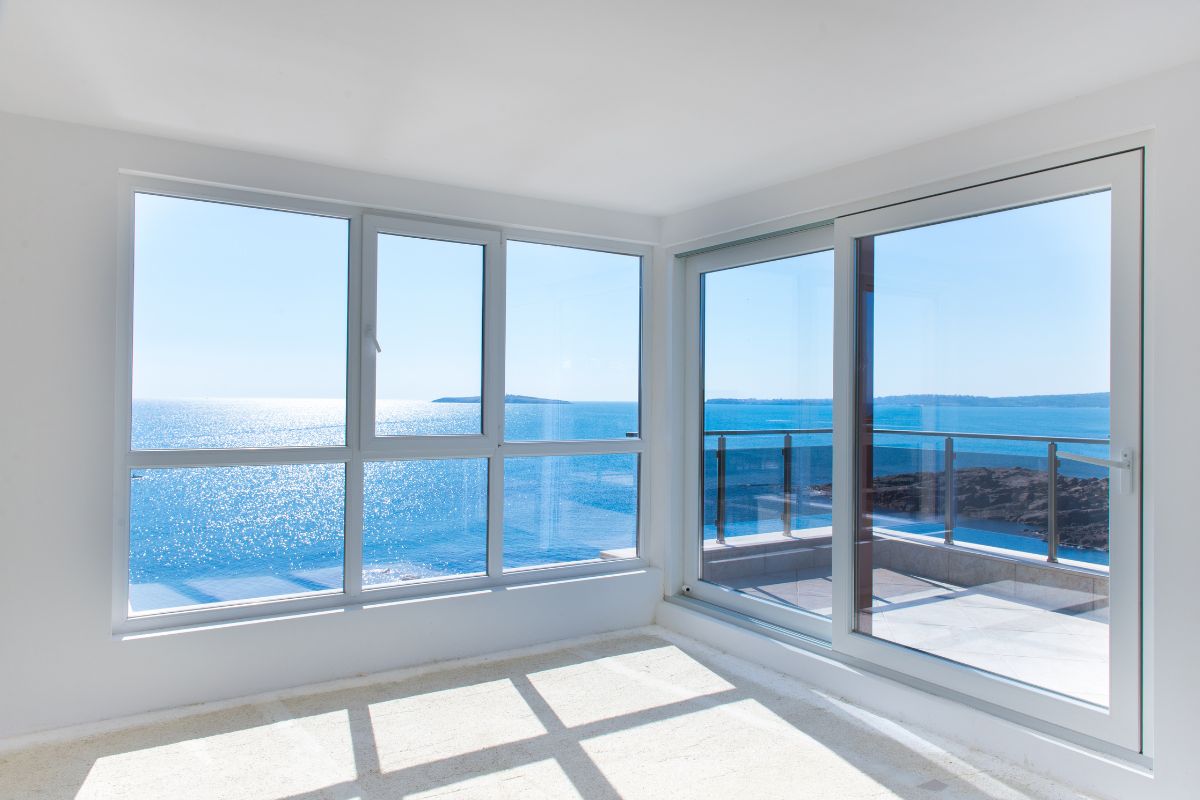
Choosing new replacement windows is not only about picking a style that looks good from the street. The frame material plays a major role in how the windows perform over time, how much maintenance they require, how well they handle heat and sunlight, and how much long-term value they add to the home. In Southern California, those choices matter even more because homeowners are often balancing strong sun exposure, warm temperatures, changing design preferences, and the need for energy efficiency without turning every upgrade into a high-maintenance project.
That is why the better question is not simply which window frame material is best in the abstract. The better question is which frame material makes the most sense for your home, your budget, your climate conditions, and your long-term priorities. Some homeowners want the lowest-maintenance option possible. Others care more about appearance, strength, or a more premium architectural look. The best answer depends on what you want the windows to do after they are installed, not just how they look in a showroom sample.
This guide explains the most common window frame materials for Southern California homes, how they compare, what strengths and limitations each one has, and how to think through the decision in a practical way before investing in new windows.
Why Window Frame Material Matters More Than Many Homeowners Expect
When people shop for new windows, they often focus first on glass, grid patterns, color, or whether the window opens the way they want. Those details matter, but the frame material influences performance in a deeper way. It affects durability, upkeep, insulation, appearance, and how the window responds to years of weather exposure.
That is important because window replacement is usually not a short-term purchase. Homeowners are making a decision they expect to live with for years. If the frame material is poorly matched to the home or to the owner’s expectations, the disappointment usually shows up later in the form of maintenance frustration, visual dissatisfaction, or weaker long-term value than expected.
Southern California Homes Need A Different Kind Of Practical Thinking
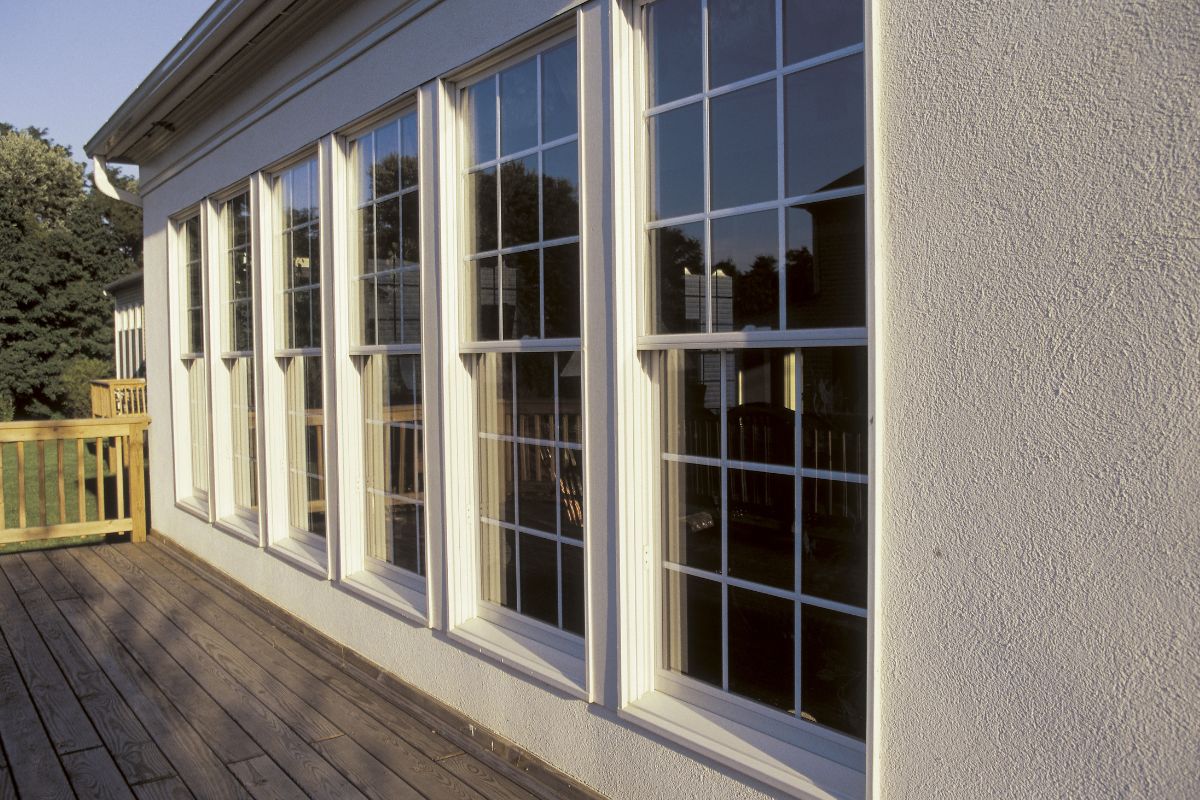
Southern California homes are not dealing with the same weather patterns as homes in snow-heavy or high-humidity regions, but that does not make material choice less important. Strong sun exposure, dry heat, changing temperatures, and architectural style all influence what homeowners may want from a window frame.
In practical terms, many homeowners in this region are looking for a combination of energy efficiency, clean appearance, durability, and low maintenance. They often want windows that can handle heat and sunlight well while still fitting the design of the home. That is why the best material is rarely decided by one feature alone.
Vinyl Window Frames Are Often The Most Practical Starting Point
For many homeowners, vinyl is one of the most practical and cost-effective window frame materials. It is often popular because it is relatively low maintenance, does not require painting the way wood does, and can offer strong value for homeowners who want performance without a premium maintenance burden.
That makes vinyl especially attractive for people who want a cleaner, more straightforward replacement-window decision. If the goal is to improve comfort, energy efficiency, and appearance without committing to regular refinishing or a more expensive material category, vinyl often becomes the starting point for the conversation.
Why Homeowners Often Like Vinyl?
Vinyl tends to appeal to homeowners who want a simpler ownership experience. It is usually chosen because it can look clean, perform well, and avoid some of the upkeep concerns associated with more maintenance-heavy materials. For many households, that balance is hard to ignore.
Where Vinyl May Not Be The Perfect Fit?
Vinyl is not always the first choice for every design goal. Some homeowners want a more premium architectural appearance, a slimmer frame profile, or a material that feels more custom in presentation. In those cases, the decision may move toward a different frame material even if vinyl still performs well from a practical standpoint.
Fiberglass Window Frames Offer A Strong Performance Upgrade
Fiberglass is often viewed as a more premium option than vinyl and is frequently chosen by homeowners who want a stronger frame with a more refined appearance and very solid long-term performance. It is often appealing in homes where durability and stability matter, especially when the owner wants something that feels more substantial without moving all the way into a traditional wood-maintenance commitment.
Fiberglass can be especially attractive for homeowners who want a cleaner, higher-end look paired with very good long-term function. While it typically costs more than vinyl, it may make sense for homeowners who care about strength, longevity, and a material that feels more upscale overall.
Why Fiberglass Can Be A Strong Choice?
Homeowners often choose fiberglass when they want a window frame that feels sturdy, performs well, and offers a step up in overall finish and long-term value. In homes where the window project is being treated as a major upgrade rather than a basic replacement, fiberglass often becomes a serious contender.
Why Fiberglass Is Not Automatically The Best Choice For Everyone?
The main limitation for many homeowners is cost. If the budget is tight and the goal is mainly practical improvement rather than a premium material jump, fiberglass may feel harder to justify. The best material still depends on whether the homeowner values the added upgrade enough to support the price difference.
Wood Window Frames Still Have A Distinctive Design Appeal
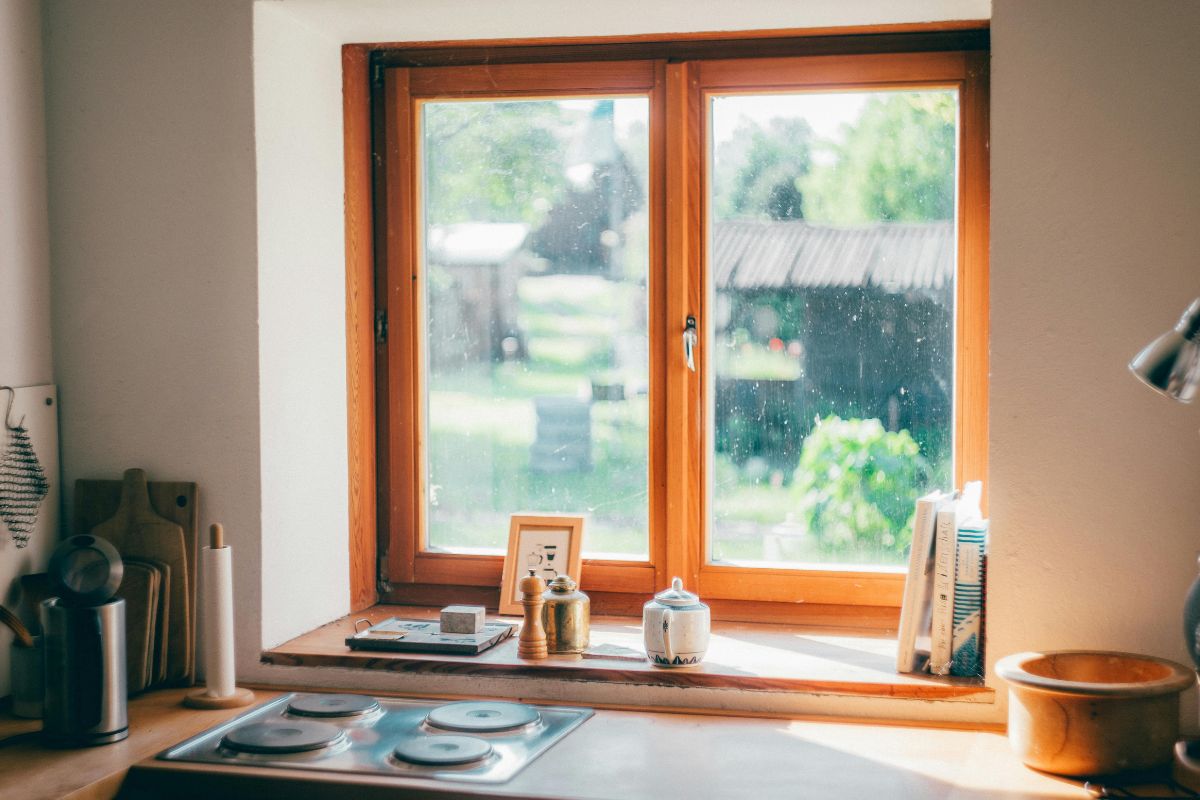
Wood remains a very attractive option for homeowners who care deeply about traditional appearance, warmth, and architectural character. In the right home, wood windows can create a look that feels richer and more classic than more utilitarian materials.
This can make wood especially appealing for homes with a more custom, historic, or design-focused style. Some homeowners simply prefer the natural appearance and visual depth that wood can offer. In those cases, style and material feel may outweigh purely practical considerations.
Why Some Homeowners Still Prefer Wood?
Wood can be the right choice when the homeowner values aesthetics enough to accept the maintenance that comes with it. It often fits homes where visual detail and architectural authenticity matter more than having the lowest-maintenance window possible.
Why Wood Is Not Usually The Easiest Option?
The tradeoff is usually maintenance. Wood often requires more attention over time, and that can be a disadvantage for homeowners who want their replacement windows to simplify home upkeep rather than add to it. In Southern California, some homeowners love the look of wood but do not want the long-term responsibility that comes with it.
Aluminum Frames Can Work In Some Modern Designs
Aluminum window frames may appeal to homeowners who want a modern aesthetic, slimmer sightlines, or a particular architectural look. In some design-driven homes, aluminum can feel visually appropriate in a way that other materials do not.
That said, aluminum is not automatically the best answer for most homeowners simply because it looks sleek. The bigger question is whether the design priorities justify the material choice and whether the homeowner is selecting it for the right reasons rather than just for appearance.
The Best Material Usually Depends On The Homeowner’s Priority
One of the easiest ways to simplify the decision is to stop asking which material is best overall and instead ask which material is best for your priority. If your main goal is low maintenance and strong everyday value, vinyl may make the most sense. If you want a more premium performance-oriented upgrade, fiberglass may be more appealing. If appearance and architectural warmth matter most, wood may deserve stronger consideration. If the project is highly design-driven and modern, aluminum may enter the conversation.
That shift matters because it turns the decision into a practical fit question instead of a vague ranking contest. Materials do not perform in a vacuum. They perform in the context of what the homeowner actually wants from the project.
Budget Should Be Considered Early, Not At The End
Many homeowners make the mistake of falling in love with a material first and only thinking about budget later. A better approach is to decide early whether the project is meant to be a value-conscious replacement, a mid-level upgrade, or a more premium improvement. That helps narrow the field faster and avoids wasting time comparing products that were never realistic options in the first place.
This does not mean the least expensive material is always the smartest. It means the material should fit the financial goals of the project from the beginning. A more expensive frame only makes sense if the added benefits align with what the homeowner actually values.
Appearance Still Matters More Than People Admit
Homeowners often try to make this decision sound purely technical, but appearance matters. Windows affect curb appeal, interior light, frame thickness, color options, and how traditional or modern a home looks after the project is complete. Two materials may both perform well, but one may simply look more right for the house.
That is why the best window frame material is not always chosen by efficiency or durability alone. It is often chosen based on the balance between performance and how naturally it fits the home’s architecture and the owner’s taste.
Installation Quality Still Matters As Much As Material Choice
Even the best frame material can disappoint if the installation is poor. A well-made window still depends on proper measurement, fitting, sealing, flashing, and finish work. Homeowners sometimes spend so much time debating frame materials that they overlook the importance of professional installation.
That is a mistake because long-term performance depends on both the product and the installation. The strongest result usually comes from choosing a material that fits the home and having it installed correctly from the start.
What Material Is Usually Best For Most Southern California Homes?
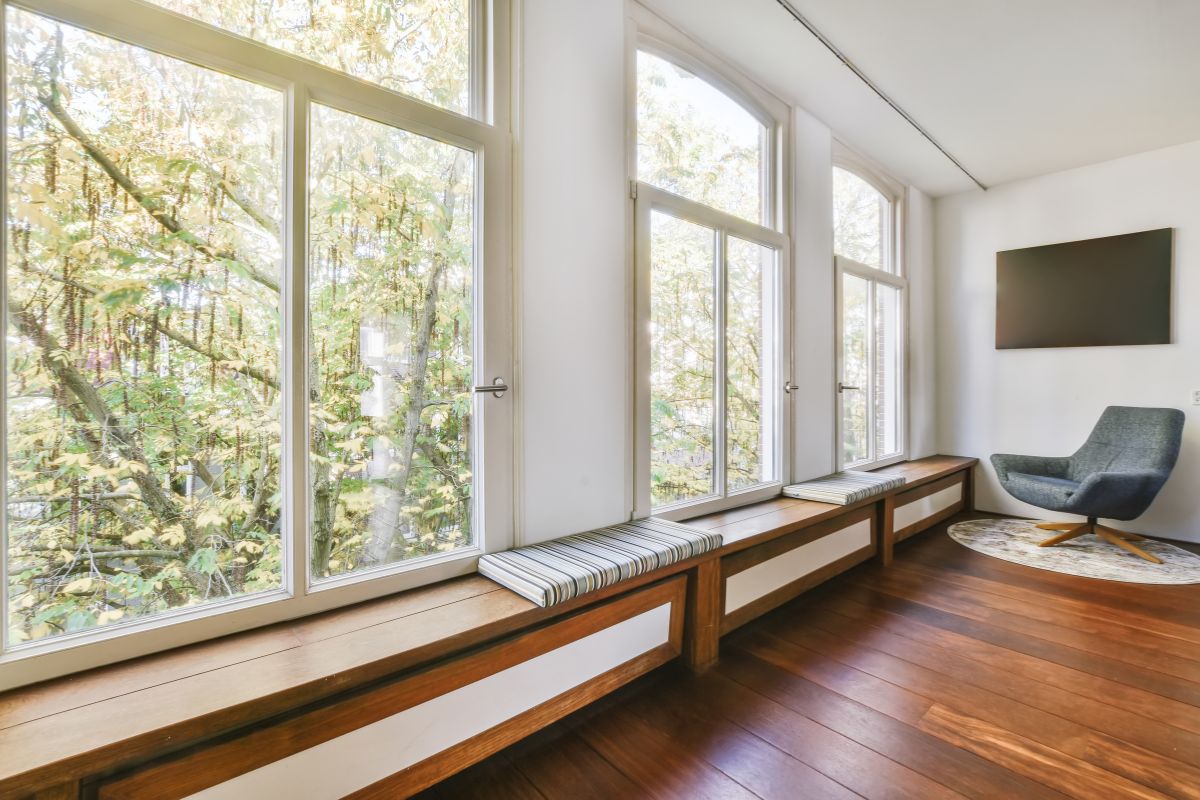
If the question is narrowed to what is usually the most practical choice for many Southern California homeowners, vinyl often ends up being the most broadly appealing answer because it balances affordability, appearance, low maintenance, and solid everyday performance. That does not make it the best option for every home. It makes it the strongest fit for many homes where practicality leads the decision.
For homeowners who want a more premium upgrade and are comfortable spending more, fiberglass may be one of the strongest alternatives. For design-focused projects, wood or aluminum may be more appropriate depending on the architecture and the owner’s priorities.
The Bottom Line
The best window frame material for Southern California homes depends on what matters most to the homeowner. Vinyl is often the most practical all-around option for value, low maintenance, and everyday performance. Fiberglass can be a strong upgrade for homeowners who want a more premium material. Wood may be the right fit when appearance and architectural warmth matter most, while aluminum may make sense in certain modern designs.
The strongest decision usually comes from matching the material to the home, the budget, and the long-term expectations of the project. Instead of asking which frame material sounds best in general, it is smarter to ask which one makes the most sense for the way you want your windows to look, perform, and age over time.
If you are planning a broader exterior upgrade, it may also help to compare your window replacement options alongside related improvements such as patio doors or gutters, especially if you want the finished project to look cohesive and perform well as a whole.
Top Of The Trades
Top Of The Trades provides window installation as well as services for entry doors, patio doors, and gutters. If you are comparing window frame materials and want help choosing an option that fits your home’s design, climate needs, and budget, the best next step is to request guidance through the Contact Us page.
Frequently Asked Questions
1. What Is The Most Low-Maintenance Window Frame Material?
For many homeowners, vinyl is one of the most low-maintenance options because it typically does not require the same level of regular upkeep as wood. That is one reason it remains such a popular replacement window material.
2. Is Fiberglass Better Than Vinyl For Replacement Windows?
Fiberglass may be better for some homeowners who want a more premium-feeling material and are willing to spend more for that upgrade. Vinyl is often the more practical choice for homeowners who prioritize value and low maintenance.
3. Are Wood Window Frames Still A Good Choice?
Yes, for the right home and homeowner. Wood can be an excellent choice when architectural style and natural appearance are top priorities. The main tradeoff is that it usually requires more maintenance over time.
4. What Window Frame Material Is Best For Hot Weather?
The best option depends on the project’s broader goals, but many homeowners in warm climates prefer materials that balance durability, insulation, and manageable upkeep. That is one reason vinyl and fiberglass are both common choices.
5. Is Aluminum A Good Window Frame Material For Homes?
Aluminum can work well in certain modern or design-driven homes, especially where slimmer lines and a specific aesthetic matter. It is not always the first choice for every homeowner, but it can be the right fit in the right project.
6. Which Window Frame Material Lasts The Longest?
Longevity depends on both the material and the quality of the installation. Fiberglass is often seen as a very durable premium option, while vinyl also offers strong long-term value when properly installed and maintained.
7. Does Window Frame Material Affect Energy Efficiency?
Yes, it can. The frame is part of the total window system, so the material choice can influence performance along with the glass package, seals, and installation quality.
8. Is Vinyl Too Basic For A Nice Home?
Not necessarily. Vinyl is often chosen for its practicality and cost-effectiveness, but that does not mean it cannot look clean and attractive. For many homes, it delivers a very strong balance of appearance and performance.
9. How Do I Choose The Right Frame Material For My Home?
The best approach is to decide what matters most first. If you care most about low maintenance and value, one material may stand out. If you care most about premium feel or architectural appearance, another may make more sense. The right choice comes from matching the material to your priorities.
10. Does Installation Matter As Much As The Window Material?
Yes. Even a great frame material can disappoint if the installation is poor. Proper fit, sealing, waterproofing, and finish work are all critical to long-term performance.