
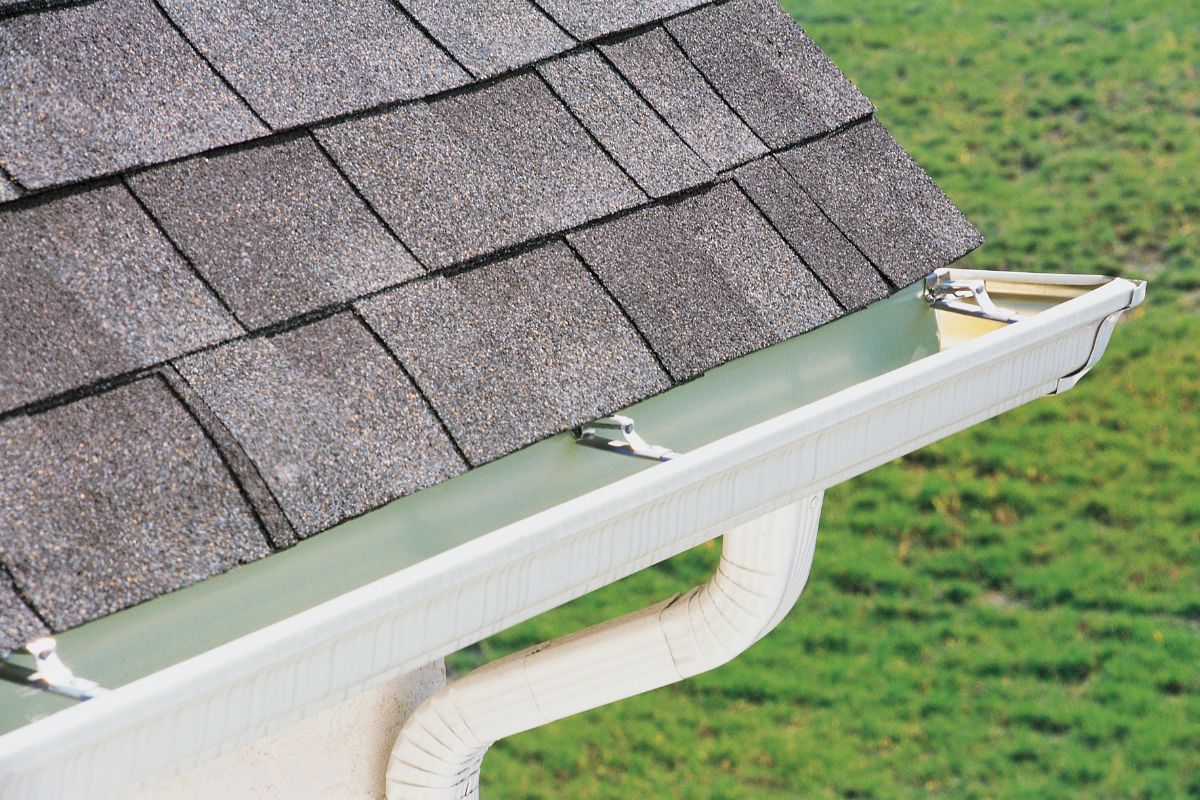
Choosing the right gutter size for your home is not just about picking the most common option and hoping it works. The right size depends on how much rainwater your roof collects, how quickly that water needs to move away from the house, and whether your current gutter system is actually keeping up during storms. A gutter that is too small may look fine on a dry day but still overflow, back up, or send water too close to the home when the weather turns.
That is why the better question is not simply whether 5-inch or 6-inch gutters are better in the abstract. The better question is which gutter size makes the most sense for your roof design, your water-flow needs, and your long-term home protection goals. For some homes, a standard-sized gutter system is completely appropriate. For others, especially homes with larger roof sections or heavier water runoff, moving up in capacity can make the system more effective and reduce the risk of overflow-related problems.
This guide explains how homeowners can think about gutter sizing in a practical way, what factors actually affect water flow, why roof design matters as much as gutter width, and how a professionally planned gutter installation can help protect the home more effectively over time.
Why Gutter Size Matters More Than Many Homeowners Expect
Gutters are often treated like a simple trim feature on the edge of the roof, but they perform a much more important job than many people realize. Their purpose is to collect rainwater as it leaves the roof and move it away from the home in a controlled way. When the system is sized properly, that process feels invisible. Water moves through the gutters, into the downspouts, and away from the house without much attention.
When the system is undersized, however, the problems can show up quickly. Water may spill over the edges, splash down near the foundation, stain siding, affect fascia boards, or create wet areas around landscaping and walkways. A gutter system does not have to be completely failing to be the wrong size. It may simply be underperforming every time the roof sheds more water than the system can manage efficiently.
Gutter Size Is Really About Water Volume
The key issue in choosing the right gutter size is not appearance alone. It is water volume. The more roof area a gutter section has to serve, the more rainwater it must be able to capture and move. That is why two homes in the same neighborhood may not need the same gutter size, even if they are in the same climate and use similar materials.
A smaller or simpler roofline may work well with a more standard gutter profile. A larger roof, a steeper roof, or a roof section that channels a lot of water into one run may need a bigger system. In those cases, the “best” size is not the one that looks most common. It is the one that handles runoff without turning storms into drainage problems.
Roof Shape Plays A Big Role In Choosing The Right Size
Homeowners sometimes focus only on square footage, but roof design can be just as important as roof size. A roof with simple slopes may spread water flow more evenly. A roof with valleys, concentrated runoff points, or longer sections may direct a large amount of water into a smaller gutter area. That can overwhelm a system that would otherwise seem adequate on paper.
This is one reason gutter sizing should never be treated as a one-size-fits-all decision. The way the roof sheds water matters. If a specific section of the roof funnels runoff aggressively, that portion of the home may benefit from greater gutter capacity even if another area does not need the same level of drainage support.
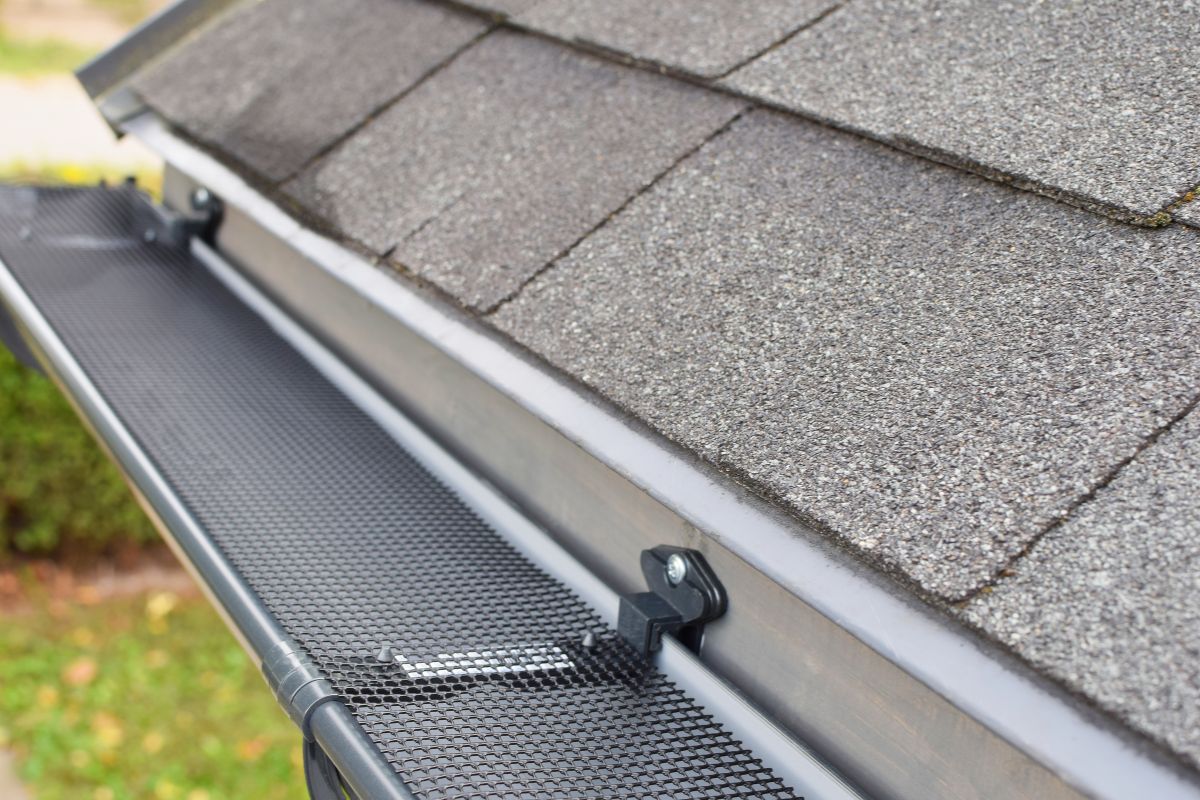
Valleys Often Increase Water Concentration
Roof valleys can create especially heavy water concentration because they direct runoff from multiple roof planes into one area. When that happens, the gutter below the valley may need to handle a much larger flow of water than a casual visual estimate would suggest.
Long Runs Can Create More Demand
Long roof sections can also increase the amount of water entering one gutter run. If a large surface is draining into the same stretch of gutter, a higher-capacity system may be the smarter choice.
5-Inch And 6-Inch Gutters Are Not The Same Decision For Every Home
Many homeowners compare gutter size by looking at the common 5-inch and 6-inch conversation. That is a useful starting point, but the goal should not be to assume larger is always better or that standard is always enough. The right answer depends on the house.
In general, a 5-inch system may be a strong fit for many homes with moderate runoff demands and straightforward rooflines. A 6-inch system may be the better fit when the home has larger roof sections, heavier water concentration, steeper slopes, or simply needs more drainage capacity to perform confidently during stronger storms.
The important point is that sizing should be based on function. If a home is already showing signs of overflow, splashback, or poor drainage performance, moving to a larger gutter profile may be part of the solution.
Downspouts Matter Just As Much As The Gutter Itself
Homeowners sometimes think gutter size alone determines whether the system works well, but the downspouts matter too. Even a properly sized gutter can struggle if water cannot exit efficiently. The overall system has to move water from the roof edge to the ground in a way that stays balanced.
That means good sizing is really about the entire drainage plan. Gutter width, downspout placement, downspout size, roof runoff patterns, and drainage direction all work together. If one part of that system is undersized or poorly designed, performance can suffer even if the gutter itself seems large enough.
More Capacity Means Little Without Good Drainage Exit Points
A larger gutter can help manage more water, but it still needs enough exit capacity. If downspouts are poorly placed or too limited for the amount of runoff being collected, the system may still back up during heavier rain.
How To Tell If Your Current Gutters May Be Too Small
Some homes make the answer obvious. If water spills over the gutter edge during rain, the system is telling you it may not be keeping up. But overflow is not the only clue. In some cases, the signs are more subtle and appear over time rather than all at once.
Homeowners may notice water streaking down siding, damp soil collecting near the foundation, splash patterns below roof edges, or sections of gutter that seem to struggle more than others during storms. They may also notice that one area of the system performs poorly whenever valleys dump water into it. These problems do not always mean the entire gutter system is bad, but they can indicate that the size, layout, or drainage capacity is not ideal for the home.
Overflow During Rain Is One Of The Clearest Signs
If rainwater visibly pours over the edge of the gutter rather than staying inside the system, that is one of the strongest signs that the gutter may be undersized, clogged, poorly sloped, or otherwise not functioning the way it should.
Localized Trouble Spots Can Still Point To Sizing Issues
Even if only one section of the house shows recurring overflow, that area may still need a different drainage strategy. Sometimes the problem is not the whole system. It is one high-demand area that needs more capacity or better planning.
Choosing Bigger Just For The Sake Of Bigger Is Not Always The Best Answer
It can be tempting to assume the safest move is simply choosing the largest gutter possible. In some cases, that may be appropriate. In others, it may add cost or visual bulk without solving the actual issue if the real problem involves pitch, downspout layout, or installation quality.
The better approach is to match the system to the house. A thoughtfully sized gutter system looks intentional, performs well, and supports the architecture instead of overpowering it. Good planning usually leads to better results than automatically upsizing without evaluating why the current system is struggling.
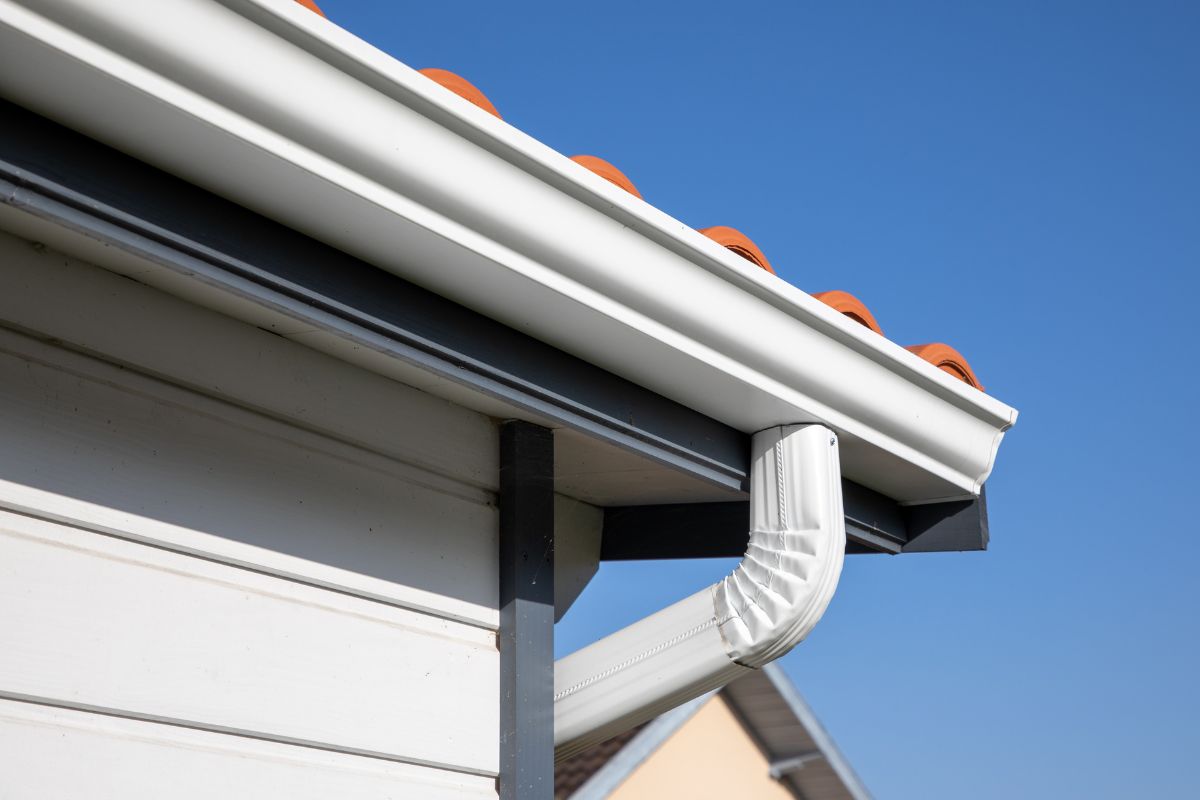
Seamless Gutters Can Improve Performance When Sized Correctly
Gutter sizing is important, but so is the type of system being installed. Seamless gutters are often attractive to homeowners because they reduce the number of joints where leaks and debris issues can develop. That can make the system easier to maintain and more reliable over time, especially when it is paired with the right size and layout.
A properly sized seamless system is often a smart combination because it addresses both capacity and durability. Instead of thinking only about width, homeowners should think about how the full gutter system will perform season after season.
Material And Appearance Still Matter, But They Come After Function
Homeowners understandably care about how gutters look. Color, finish, profile, and how the gutters blend with the roofline all affect curb appeal. But appearance should follow performance, not replace it. A gutter system that looks sharp but cannot manage the water flow effectively is not the right choice for the home.
The strongest results usually come when function and appearance are planned together. The system should look appropriate on the house, but it should first be able to protect the property the way it is supposed to.
Professional Evaluation Usually Leads To Better Sizing Decisions
Because gutter sizing depends on more than one factor, many homeowners benefit from a professional assessment rather than guessing based on what neighboring homes use. A trained installer can look at the roof shape, runoff concentration, gutter runs, drainage needs, and any signs of current failure before recommending the right approach.
This is especially helpful when a homeowner is already seeing overflow, replacing old gutters, or trying to decide whether standard sizing is enough. A good recommendation should be based on how the home sheds water in real conditions, not just on habit or convenience.
The Goal Is Better Performance, Not Just New Gutters
Replacing or upgrading gutters should improve the way the home handles water. The project should not be treated as a cosmetic swap alone. The real value comes from getting a system that performs more effectively and protects the property more reliably.
The Right Gutter Size Supports Long-Term Home Protection
When a gutter system is properly sized, it helps reduce unnecessary stress on the exterior of the home. Water is directed where it should go, overflow risk is reduced, and the home is better protected against the kinds of moisture problems that can quietly build over time. That includes issues near the foundation, fascia, trim, siding, and surrounding landscape areas.
This is why sizing decisions matter more than they first appear. The right gutter size is not only about rain moving off the roof. It is about how the home handles water over the long term.
How To Think About The Best Choice For Your Home
If you want the most practical way to approach gutter sizing, start by asking a few basic questions. Does your current system overflow? Does the roof have valleys or large runoff sections? Are certain areas of the house seeing repeated water problems? Are you replacing gutters because they are worn out, or because they never handled water well in the first place?
The answers usually point toward the right solution. Some homes need a straightforward standard system. Others clearly benefit from more capacity. The best choice is the one that fits the home’s actual drainage demands, not the one that simply sounds most common or most impressive.
Gutter Solutions By Top Of The Trades
If you are trying to decide what gutter size makes the most sense for your home, Top Of The Trades provides gutter solutions designed around performance, protection, and long-term value. The goal is not just to add gutters. It is to help homeowners choose a system that fits the property properly and handles water the way it should.
Whether your home needs a more standard gutter solution or greater capacity for heavier runoff, a professionally planned installation can help reduce guesswork and improve confidence in the final result.
Schedule A Consultation
If you are ready to learn more about choosing the right gutter size for your home, contact Top Of The Trades to discuss your roofline, drainage concerns, and installation options. You can request more information through the Contact Us page.