
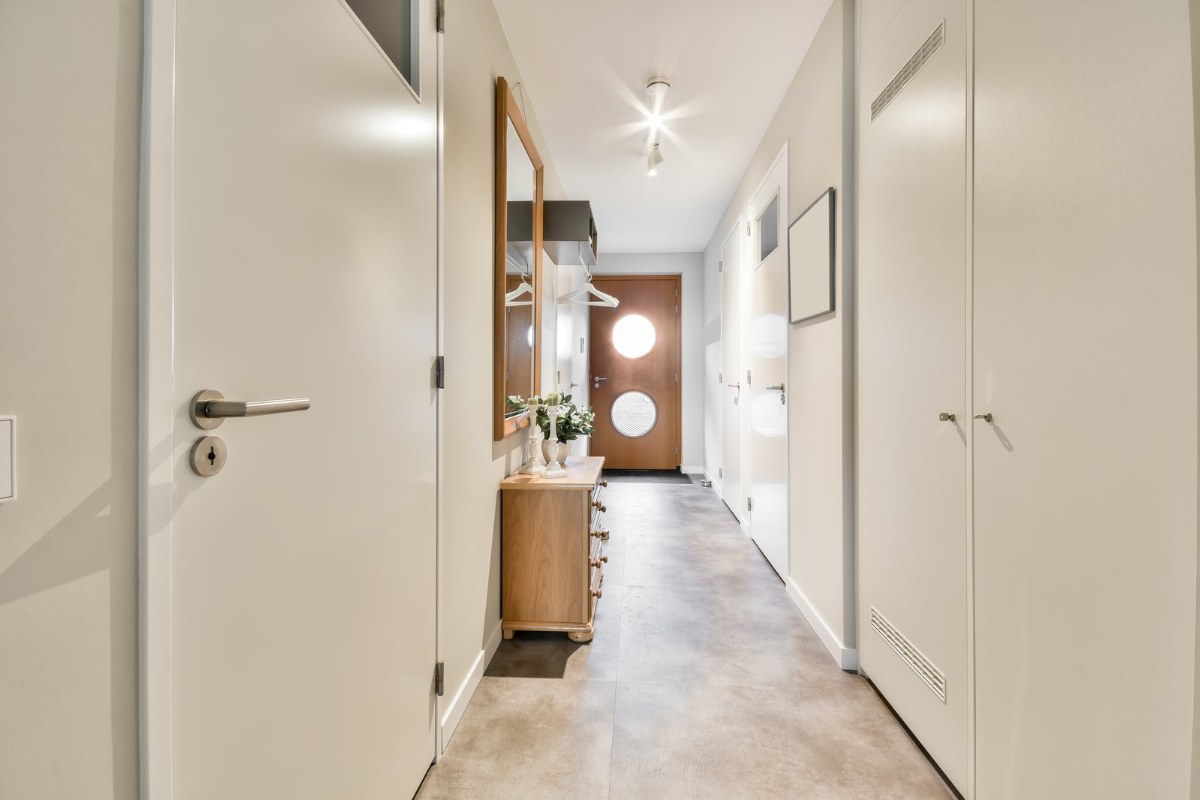
Walk through your home and count the interior doors. Most houses have somewhere between ten and twenty, and each one does a slightly different job. The pantry door gets opened a dozen times a day. The bathroom door deals with steam. The bedroom door needs to block noise so someone can sleep. Yet many homes have the exact same thin, hollow door in every opening, chosen years ago because it was the cheapest option on the shelf.
Choosing interior doors room by room makes a noticeable difference in comfort, privacy, and how finished your home feels. This guide walks through the main door types, materials, and styles, then breaks down what works best in each part of the house.
Start With the Basics of Door Construction
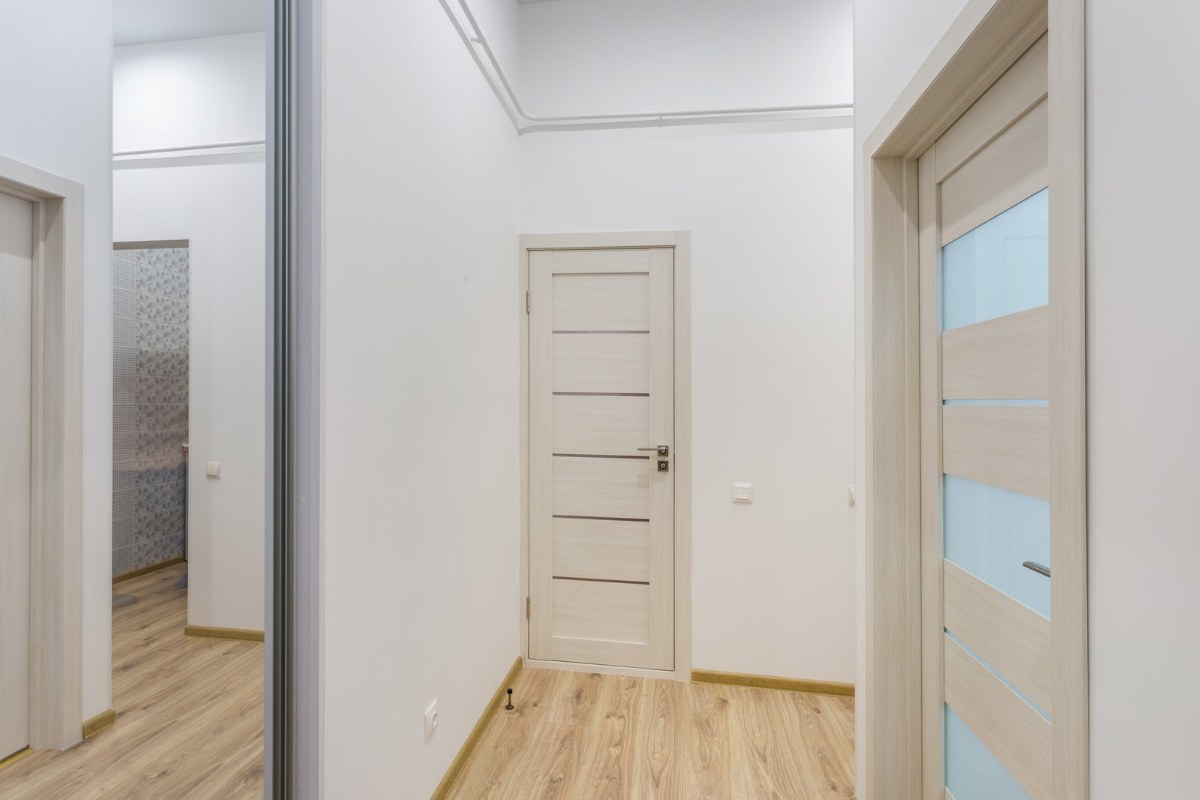
Before thinking about style, it helps to understand how interior doors are built. The construction affects weight, sound control, durability, and price.
- Hollow core doors have a thin outer skin over a mostly empty interior supported by a cardboard honeycomb or light frame. They are lightweight and affordable but transmit sound easily and can dent or crack.
- Solid core doors are filled with dense engineered wood or composite material. They feel substantial, block more sound, and resist dents and warping better than hollow core doors.
- Solid wood doors are made from real wood throughout. They offer a premium look and feel but cost more and can react to changes in humidity.
For most homeowners, solid core doors offer the best balance of performance and price in rooms where privacy and quiet matter.
Popular Interior Door Styles
Style sets the tone for your home. Some of the most common options include the following.
- Shaker doors with clean recessed panels that fit modern farmhouse, transitional, and contemporary homes
- Raised panel doors with a more traditional, detailed look
- Flush doors with a smooth, flat surface for a minimalist style
- French doors with glass panels that let light move between rooms
- Barn doors that slide along a track and save swing space
- Pocket doors that disappear into the wall, ideal for tight spaces
- Bifold doors that fold in half, commonly used for closets and laundry areas
Keeping one consistent style throughout the main living areas usually makes a home feel more cohesive, even if you mix in specialty doors like barn or French doors where they make sense.
Choosing the Right Door for Each Room
Bedrooms
Bedrooms need privacy and quiet. A solid core door makes a real difference in blocking hallway noise, a television in the next room, or early morning activity. Pair it with good weatherstripping at the stop or a door sweep if you want even more sound control. We cover this topic in detail in our article on how to reduce noise with better interior doors.
Bathrooms
Bathrooms see steam and humidity every day. Choose a door with a finish that is fully sealed on all six sides, including the top and bottom edges, to help prevent swelling. Solid core doors with a quality factory finish usually hold up better than hollow core doors in these spaces. A privacy lockset is a must.
Home Offices
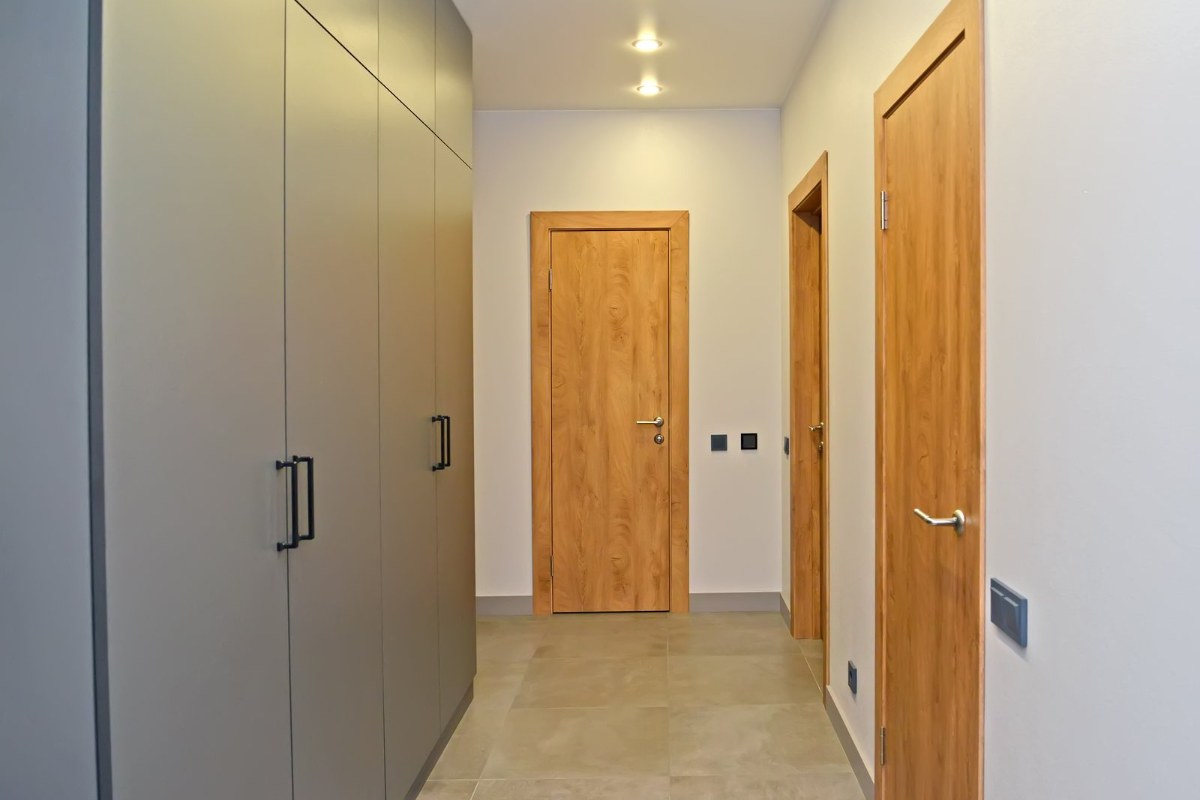
A home office benefits from a door that blocks sound for calls and meetings. Solid core is the practical choice. If you want natural light without losing separation, a French door with frosted or textured glass can be a stylish compromise, though glass will let more sound through than a solid door.
Closets
Closets have different needs depending on their size. Reach-in closets often work well with bifold or sliding bypass doors that open up the full width. Walk-in closets typically use a standard swing door or a pocket door if floor space is limited. Mirrored sliding doors can make a small bedroom feel larger.
Pantries and Laundry Rooms
These high-traffic doors get opened constantly. A barn door, pocket door, or bifold door can save valuable floor space in a busy kitchen or hallway. Louvered doors can help with airflow in laundry areas where moisture and heat build up.
Dining Rooms and Living Areas
French doors are a classic choice where you want to separate spaces without blocking light. They can turn a formal dining room or den into a more defined space while keeping the home feeling open.
The Door Between the Garage and the House
This opening is not like the others. Building codes include specific fire safety requirements for the door between an attached garage and the living space, which can include construction type, fire ratings, and self-closing hardware. Do not replace it with a standard interior door. A qualified installer can help you choose a compliant option.
Pre-Hung Doors vs. Slab Doors
When replacing interior doors, you can buy a slab, which is just the door itself, or a pre-hung unit that includes the frame and hinges already installed.
- Slab doors can work when the existing frame is square and in good condition, but they need to be trimmed, drilled, and mortised to match the old hinge locations.
- Pre-hung doors make sense when frames are damaged, out of square, or when you are changing the door size or style significantly.
Pre-painted and pre-finished doors can also save time and mess during a remodel. Learn more in our article on why pre-painted interior doors are so convenient.
Do Not Forget the Hardware
Handles, hinges, and stops affect both looks and daily use. Lever handles are easier for children, older adults, and anyone carrying something in their hands. Matching hinge finishes to your handles creates a polished look. Choose privacy sets for bedrooms and bathrooms and passage sets for hallways and closets.
Measure Carefully Before You Buy
Many interior doors are 80 inches tall, but widths vary and older homes do not always follow standard sizes. Measure the width, height, and thickness of the existing door, and check the jamb depth if you are considering pre-hung units. Our guide on how to measure for a door walks you through it. If anything seems out of square, it is worth having a professional take a look.
Why Professional Installation Pays Off
A well-made door can still sag, stick, or swing open on its own if it is not hung correctly. Professional installers make sure doors are plumb, level, and evenly spaced in the frame so they latch smoothly and stay that way. Read more about why professional door installation matters.
Final Thoughts
The best interior door for each room depends on how that space is used. Solid core doors for bedrooms, bathrooms, and offices. Space-saving barn, pocket, or bifold doors for pantries and closets. French doors where you want light and separation. A compliant fire-rated door between the garage and the house. Thinking room by room helps you get better performance and a more finished look throughout your home.
Interior Door Installation With Top Of The Trades
Top Of The Trades provides interior door installation for homeowners in Upland, Rancho Cucamonga, Ontario, Claremont, and surrounding Southern California communities. We can help you choose styles, materials, and hardware for every room, then install them so they look great and work smoothly. Homeowners in Upland can also visit our interior doors in Upland page, and you can explore all of our door installation services.
Call (800) 868-6130 or text (657) 280-9609 to request a free estimate. You can also read our customer reviews or contact us online.
Frequently Asked Questions
1. What Is the Best Type of Interior Door?
For most rooms, solid core doors offer the best combination of sound control, durability, and value. Hollow core doors can work for closets or low-traffic areas where budget matters most.
2. Are Solid Core Doors Worth the Extra Cost?
In bedrooms, bathrooms, and home offices, usually yes. They block noticeably more sound, feel more substantial, and resist dents better than hollow core doors.
3. What Interior Door Style Is Most Popular?
Shaker style doors are one of the most popular choices because their clean lines fit many home styles, from modern farmhouse to contemporary.
4. What Is the Best Door for a Bathroom?
A solid core door with a fully sealed finish on all sides works well because it resists moisture. Add a privacy lockset for function.
5. Should All Interior Doors in a House Match?
Matching doors in the main living areas creates a cohesive look. Specialty doors such as barn, pocket, or French doors can be used in specific spaces without breaking the overall design.
6. What Is the Difference Between a Pre-Hung Door and a Slab Door?
A slab is just the door. A pre-hung door comes already mounted in its frame with hinges. Pre-hung doors are often the better choice when the existing frame is damaged or out of square.
7. How Tall Are Standard Interior Doors?
Many interior doors are 80 inches tall, though taller doors are common in newer and custom homes. Always measure your existing openings before ordering.
8. Can I Use a Regular Interior Door Between My Garage and House?
No. That door must meet specific building code requirements for fire safety. Ask a qualified installer to recommend a compliant door.
9. How Long Does Interior Door Installation Take?
Replacing a single interior door often takes a few hours, while a whole-home project can take one or more days depending on the number of doors and whether frames are replaced.
10. Who Installs Interior Doors in Upland and Rancho Cucamonga?
Top Of The Trades installs interior doors for homeowners in Upland, Rancho Cucamonga, Ontario, Claremont, and nearby communities. Call (800) 868-6130 to request a free estimate.
Louis’s Pro Tip
Before you pick a style, stand in each doorway and open and close the door you have now. If it rubs, drifts open, or will not latch, the frame may need attention too, and a pre-hung door will usually give you a better result than a slab. And spend a little extra on the bedroom and bathroom doors. That is where you will notice the difference every single day.